
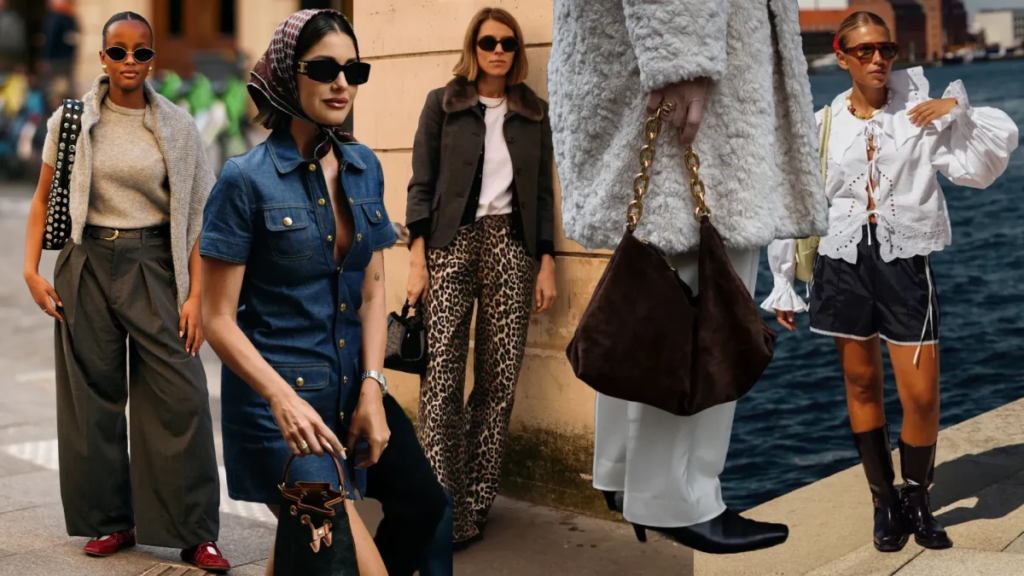
Let’s be entirely real for a second: the era of the fashion and Style dictator is dead.
There was a time, not too long ago, when a handful of elite designers in Paris or Milan, along with a few powerful magazine editors, decided exactly what the world was going to wear each season. If they said neon pink and padded shoulders were in, you bought neon pink and padded shoulders.
Today? That entire top-down power structure has completely collapsed.
The runway is no longer a physical stage in a closed-off venue; it’s a sidewalk, a 15-second video on your feed, or a random person’s mirror selfie from halfway across the world. Modern fashion isn’t about conforming to a rigid set of rules anymore. It’s a chaotic, beautiful, hyper-personalized sandbox where subcultures blend, eras collide, and the ultimate status symbol isn’t a luxury logo—it’s looking like yourself.
The Death of “Beauty is Pain”

For generations, looking fashionable meant making a blood sacrifice to the gods of discomfort. People squeezed themselves into restrictive tailoring, tolerated stiff, unyielding fabrics, and walked miles in shoes that practically guaranteed blisters, all under the assumption that style required suffering.
[ Traditional Style ] ──> Focus on Appearance ──> Sacrifice Comfort
[ Modern Real-Life ]   ──> Focus on Versatility ──> Demand Comfort + Aesthetic
That mindset now feels completely ancient. The modern world moves too fast, and our lives are too fluid for clothing that locks us down. We want clothes that can transition seamlessly from a morning remote work session to an afternoon errand run and an casual dinner with friends.
Oversized blazers, wide-leg trousers, plush knitwear, and premium sneakers have broken out of the casual weekend box and taken over the mainstream. This isn’t laziness; it’s a collective reclamation of our autonomy. We’ve realized that you don’t need to be uncomfortable to look incredibly polished.
Wardrobe Fatigue and the Radical Act of Minimalism
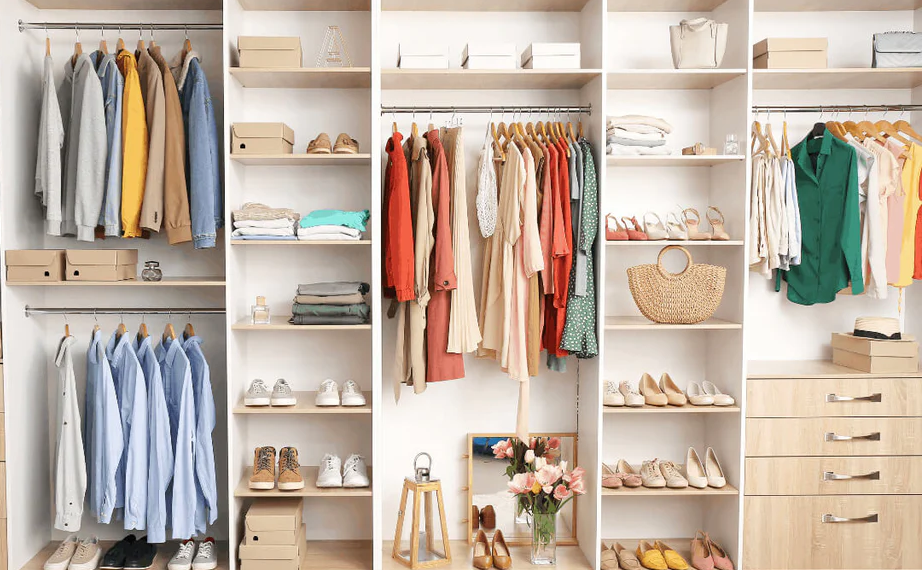
We have reached peak consumerism, and frankly, a lot of people are just tired. The thrill of buying cheap, disposable clothes to chase a trend that will be embarrassing in three weeks has worn off. It fills our closets with clutter and leaves us with that universal, frustrating feeling of staring at a mountain of clothes and thinking, “I have absolutely nothing to wear.”
This exhaustion is driving the massive shift toward minimalist capsule wardrobes.
               [ The Wardrobe Shift ]
                         │
        ┌────────────────┴────────────────┐
        ▼                                 ▼
 [ Fast Fashion Loop ]             [ The Capsule Approach ]
  Buy cheap -> Wear twice          Invest in 30 versatile, High-
  -> Feel bored -> Repeat.         quality pieces that fit perfectly.
Instead of owning a hundred mediocre items, people are investing in a core rotation of high-quality, versatile pieces. The focus has shifted to neutral color palettes—deep charcoal, olive, cream, navy, and rich espresso—that play nice with each other. A minimalist wardrobe eliminates the daily mental tax of decision fatigue, making style feel effortless rather than stressful.
The Nostalgia Engine: Why Old Stuff Feels New
Walk down any city street today and you’ll see an absolute mashup of the 1990s and early 2000s. Gen Z and Millennials are obsessively raiding thrift stores, secondhand platforms, and their parents’ old closets for vintage denim, retro windbreakers, and chunky sneakers.
Part of this is pure, unfiltered nostalgia for an era that feels analog, tactile, and grounded compared to our hyper-digital reality. But it’s also driven by a desperate need for sustainability. Buying secondhand isn’t just a niche lifestyle choice anymore; it’s a badge of honor. Finding a beautifully worn-in, vintage leather jacket or a pair of classic 90s jeans holds infinitely more cultural clout than buying a generic replica online.
Throwing Out the Labels

Perhaps the most liberating change in modern style is how fast we are tearing down traditional binaries and categories.
The lines between “menswear” and “womenswear” have blurred into near irrelevance. People are shopping across the entire store, focusing purely on how a garment drapes, how the fabric feels, and how it aligns with their personal vibe rather than what the tag says.
[ Classic Strict Retail ] ──> Men's Section vs. Women's Section
[ Modern Fluid Retail ]   ──> Focus on Fit, Form, and Creative Freedom
Brands are finally catching up to this, designing gender-neutral lines with fluid silhouettes that prioritize functionality and self-expression over outdated societal expectations. It’s an inclusive, open-ended approach to dressing that treats clothing as a canvas for identity, not a box to fit into.
Mastering the High-Low Mix
True style icons today aren’t the people dressed head-to-toe in a single luxury brand straight off the mannequin. That looks unoriginal. The real skill—and what makes modern style so fun—is the ability to pull off the high-low mix.
It’s the art of taking a very simple, affordable outfit, like a plain white tee and thrifted cargo pants, and completely elevating it with one deliberate statement piece:
- An eye-catching, structured trench coat.
- A piece of bold, heavy vintage jewelry.
- A pair of distinctive, colorful footwear.
It’s all about contrast and balance. You let one item do the talking while the rest of the outfit provides the quiet support.
Developing Your Signature Visual Language
At the end of the day, fashion trends are just suggestions, and they evaporate almost as fast as you can track them. The people who genuinely look the most compelling are never the ones copy-pasting what they see on an algorithmically generated discover page. They are the ones who have done the internal work to figure out who they are and what makes them feel confident.
Building a personal style takes time, a bit of trial and error, and a willingness to ignore the noise. It’s about knowing which fits make you feel powerful, which fabrics make you feel comfortable, and owning those choices with complete confidence. When you stop dressing to fit in, clothing stops being a daily chore and becomes exactly what it was always meant to be: a celebration of your own skin.
FAQs
1. What are the biggest fashion trends right now?
Comfortable clothing, minimalist fashion, vintage styles, and sustainable fashion are among the most popular trends.
2. Why is personal style important?
Personal style helps express your personality and builds confidence in your appearance.
3. Is sustainable fashion worth investing in?
Yes, sustainable fashion promotes quality, durability, and environmentally responsible shopping.
4. How can I improve my fashion sense?
Focus on timeless pieces, wear what suits your personality, and experiment with different styles.
5. Are fashion trends always changing?
Yes, trends evolve regularly, but classic style and confidence never go out of fashion.