Every single year, a fresh wave of ideas, tools, and cultural shifts washes over us. Some of these trends behave like sudden summer storms—loud, flashy, and gone by afternoon. Others behave more like tectonic plates, quietly shifting beneath our feet until we wake up to realize the entire landscape of how we work, shop, communicate, and rest has been completely rewritten.
It’s easy to dismiss “trends” as fluffy buzzwords invented by corporate marketers or social media influencers chasing algorithms. But in reality, these shifts dictate the fabric of our ordinary Tuesdays. They quietly steer the careers we pick, the gadgets sitting on our kitchen counters, and the topics we argue about over dinner.
The real kicker? In our current hyper-connected world, change moves at a dizzying sprint. What felt like cutting-edge innovation a minute ago can feel like a dusty relic today. Keeping your head above water isn’t about frantically chasing every single shiny object on your feed. It’s about slowing down enough to understand the deeper currents so you can steer your own life with a bit more intention and clarity.
Our New Digital Sidekick: AI in the Wild
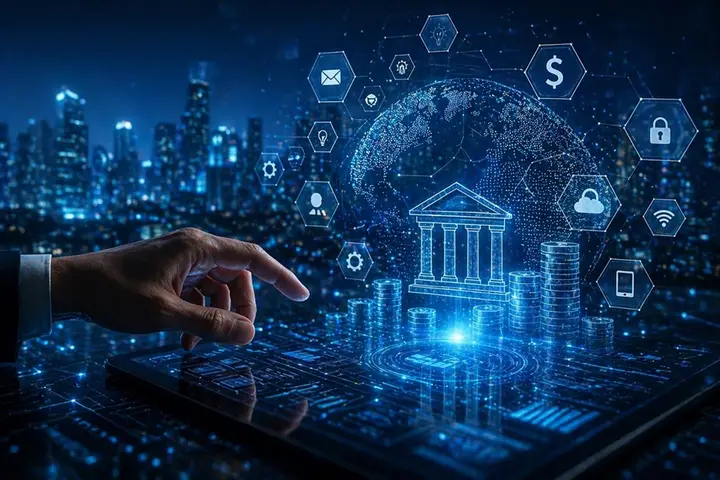
Not too long ago, artificial intelligence was the stuff of Hollywood thrillers or shadowy tech labs. Today? It’s quietly helping us draft awkward emails, fixing our typos, curation-streaming our late-night background music, and map-routing us around gridlock traffic. What makes this moment fascinating isn’t just the math behind the code; it’s how deeply humanized the tool has become.
We’ve pivoted from fearing an automated takeover to treating these tools like a tireless intern. Writers use it to conquer the terrifying blank page, small business owners use it to handle boring data crunching, and students use it as a personalized sounding board. The real skill of the modern era isn’t fighting the machine—it’s learning how to have a creative conversation with it.
[Old Tech Concept]  ──> Rigid Software (You do what the machine commands)
[Modern AI Reality] ──> Fluid Collaborator (The machine learns how you think)
Redefining the “Office” and Reclaiming the Day
The days when a professional life was strictly defined by a mandatory nine-to-five sit in a cubicle are rapidly evaporating into history. The evolution of remote and hybrid work isn’t just a corporate logistical tweak; it is a profound philosophical shift in how we structure our brief time on this planet.
For millions, flexibility is no longer a luxury perk—it’s a non-negotiable boundary.
We are finally anchoring our work around our lives, rather than violently squeezing our families, health, and hobbies into the fragile margins of a grueling commute. While some traditional spaces are pushing hard to bring back the physical punch-card mentality, the collective desire for autonomy remains incredibly strong. This trend is a massive, slow-motion revolution in how we define human productivity and personal freedom.
The Shift from Aesthetic Fitness to Emotional Survival

For decades, the wellness industry was obsessed with the superficial: extreme diets, punishing gym routines, and flawless aesthetics. Thankfully, that toxic armor is cracking. Today, wellness is less about looking perfect and far more about staying sane.
Mental and emotional health have taken center stage. We are finally having honest, unpolished conversations about burnout, chronic stress, nervous system regulation, and the absolute necessity of a good night’s sleep.
The Modern Daily Toolkit:
- The Slow Walk: Stepping outside without headphones just to touch grass and hear the birds.
- Radical Unplugging: Putting the phone in a drawer to let the brain’s baseline dopamine reset.
- Sustainable Movement: Choosing strength and functional stamina over exhaustion and pain.
- The Power of ‘No’: Protecting our calendar space as an act of self-preservation.
The Shift Toward Raw Reality
We are living through a massive cultural hangover from the era of hyper-polished, perfectly curated internet perfection. People are exhausted by flawless filters, scripted corporate copy, and influencers pretending their lives have zero friction.
We are craving the raw, the messy, and the deeply human.
| The Outdated Playbook | The Modern Reality |
| Hyper-curated, flawless aesthetics | Unfiltered, real-time, slightly messy truths |
| Corporate jargon and rehearsed scripts | Direct, honest, peer-to-peer communication |
| Brand loyalty based on shiny logos | Trust earned through transparency and ethics |
Memories Over Materials & Greener Footprints
There is a beautiful generational pivot happening right now regarding how we spend our hard-earned cash. The old obsession with collecting mountains of physical possessions is losing its grip. Instead, people are choosing to invest their resources into the intangible: experiences.
We want stories, not clutter. We want the spine-tingling energy of a live concert, the breathtaking perspective of an unfamiliar mountain trail, the laughter of a shared meal in a foreign city, and the slow magic of a road trip with old friends. These moments don’t sit in a closet collecting dust; they permanently shape who we are.
Concurrently, this love for the world is making us much more protective of it. Conscious consumerism is moving from a niche lifestyle choice straight into the mainstream. We are looking closer at where products come from, what kind of waste they leave behind, and whether the companies we support care about the soil, oceans, and air we all share. It’s a slow return to a simpler, more respectful way of coexisting with our planet.
The Compass Within the Chaos

At the end of the day, monitoring the trends shaping our world isn’t about mindlessly mimicking every viral dance or downloading every new app within five minutes of its release. That’s a fast track to emotional exhaustion.
The real purpose of tracking these shifts is to maintain your awareness. It’s about watching the weather patterns of human society so you can adjust your own sails accordingly. The people who thrive in times of rapid transition aren’t those who predict the future flawlessly—they are the ones who keep their roots deep, their minds flexible, and their hearts open to learning. Change is inevitable, but when you meet it with curiosity instead of fear, it stops feeling like a threat and starts looking like an invitation to evolve.
FAQs
1. What is a trend?
A trend is a popular change or development that influences how people live, work, or make decisions.
2. Why are trends important?
Trends help people stay informed about new ideas, technologies, and lifestyle changes.
3. What are some major trends this year?
Artificial intelligence, wellness, remote work, sustainability, and digital content are among the biggest trends.
4. How can I keep up with trends?
Follow trusted news sources, industry blogs, podcasts, and experts in your areas of interest.
5. Do trends affect everyday life?
Yes, trends influence consumer habits, career opportunities, technology use, and lifestyle choices.