
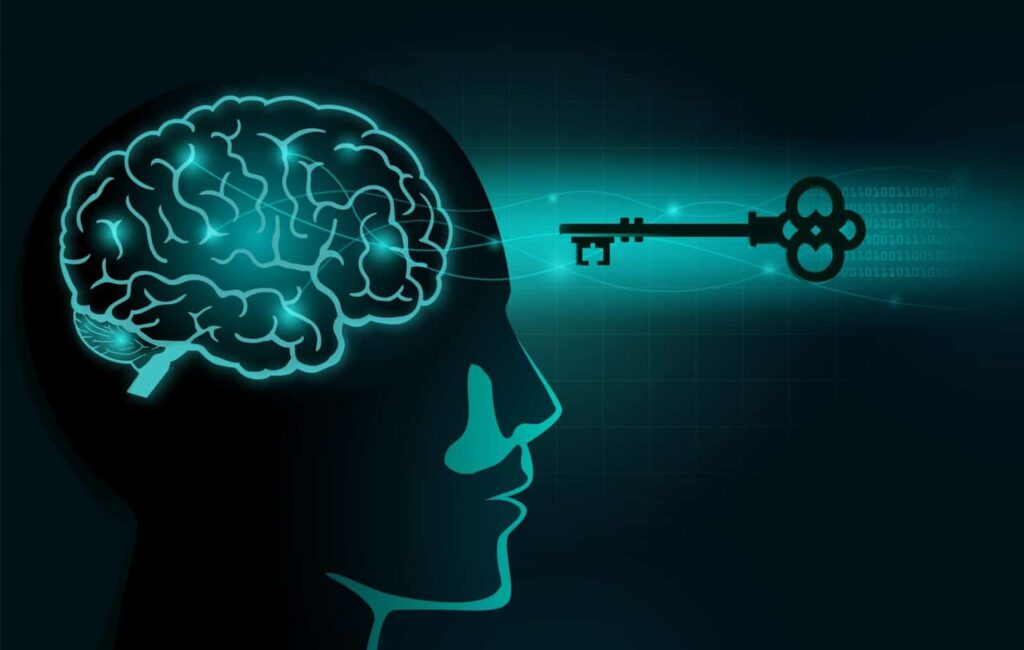
Success is often associated with talent, education, experience, or financial Positive resources, but one factor influences all of these far more than most people realize: your mindset. The architecture of your mind shapes how you interpret information, how you act, and ultimately the reality you construct. A constructive, growth-oriented mindset does not mean pretending that life is pristine or ignoring harsh realities. Rather, it means actively choosing to approach obstacles with calculated confidence, extracting lessons from structural setbacks, and recognizing that psychological, professional, and emotional capacity can be expanded continuously.
Every accomplished individual has navigated intense disappointment, systemic failure, or agonizing uncertainty. What sets them apart is not an immunity to problems, but their internal framework for processing them. The human mind is not a static repository of fixed traits; it is an adaptive, dynamic organ. Mastering your cognitive style transforms passive exposure to circumstances into intentional, high-impact growth.
Deconstructing the Mindset Dichotomy: Fixed vs. Growth Mechanics
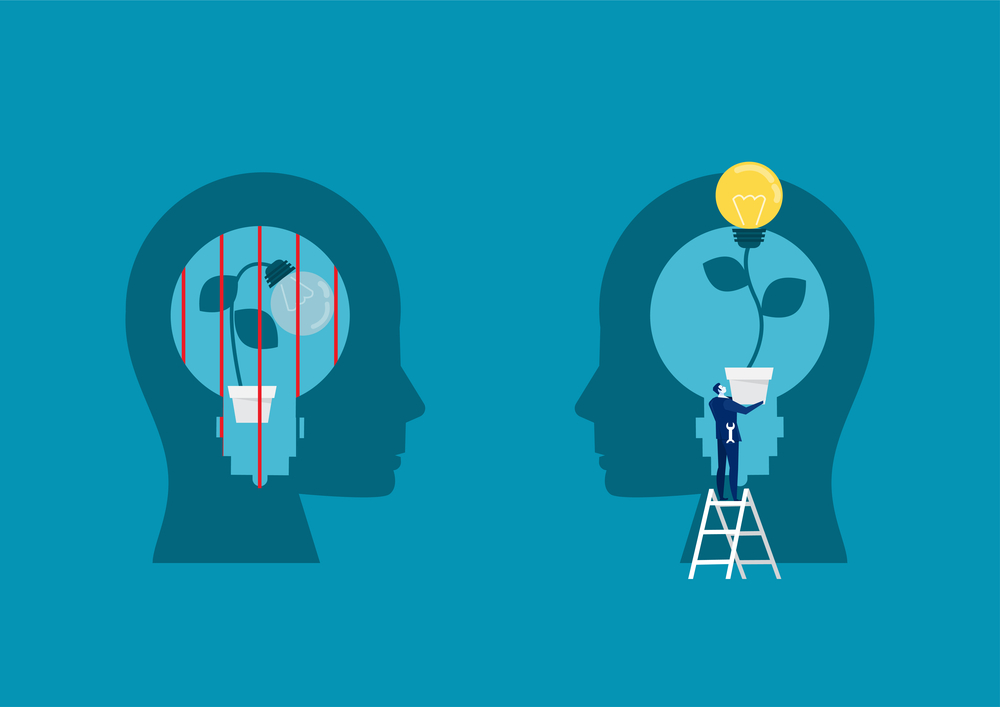
At its core, a mindset is a cognitive filter comprised of core beliefs, implicit assumptions, and mental models. Psychologically, mindsets exist on a spectrum between a Fixed Mindset (the belief that intellect, character, and creative ability are static givens) and a Growth Mindset (the conviction that basic qualities can be cultivated through deliberate practice, feedback, and strategy).
When individuals operate under a fixed paradigm, effort is perceived as proof of inadequacy—if you were truly talented, things should come effortlessly. Conversely, under a growth paradigm, effort is the exact operational key that converts latent potential into tangible mastery.
The Neuroscience of Belief: Neuroplasticity and Locus of Control
The capacity to alter your mental patterns is not mere self-help philosophy; it is grounded in biology. Neuroplasticity refers to the brain’s lifelong ability to reorganize neural pathways in response to new experiences, thoughts, and environmental stimuli.
When you repeatedly engage in deliberate problem-solving rather than helpless rumination, you physically thicken the myelin sheath around the neural circuits responsible for resilience and strategic thinking.
Complementing neuroplasticity is your Locus of Control:
Shifting from an external to an internal locus of control restores personal agency. While you cannot control macroeconomic forces, unexpected disruptions, or other people’s actions, you retain absolute authority over your choices, preparation, and emotional management.
Cognitive Reframing: Transforming Failure into Strategic Data
For the growth-oriented individual, failure is reframed from an identity marker (“I am a failure”) into an informational output (“This specific hypothesis was invalid”). This shift decouples ego from execution, allowing for rapid iteration.

Strategic Reframing Protocols
- The “Yet” Modifier: Append the word “yet” to any self-limiting statement. Transform “I don’t understand financial modeling” into “I don’t understand financial modeling yet.”
- Post-Mortem Analysis: After any significant setback, conduct a unemotional, objective review. Document three variables: What assumptions were wrong? What execution steps were flawed? What system adjustments prevent a recurrence?
- Decatastrophizing: When anxiety spikes, ask: “What is the absolute worst-case scenario, what is its mathematical probability, and what exact steps would I take to recover if it occurred?”
Emotional Architecture and Behavioral Calibration
A resilient mindset requires a well-tuned daily routine. Peak cognitive performance and emotional stability depend heavily on underlying physiological health.
Optimizing Daily Habits

- Pillar Sleep Hygiene: Prioritize 7–9 hours of sleep. Sleep deprivation severely impairs the prefrontal cortex, heightening amygdala reactivity and making negative, risk-averse self-talk more dominant.
- Physical Movement as Mental Fuel: Regular aerobic and resistance training releases Brain-Derived Neurotrophic Factor (BDNF), a protein that supports neurogenesis and enhances cognitive flexibility.
- Gratitude as an Attentional Filter: Gratitude is a tactical tool for shifting focus. The human brain suffers from an evolutionary negativity bias—it scans for threats constantly. Actively logging three daily wins forces the brain to calibrate toward opportunity and resources.
Curating Environmental Signals and Relational Networks
You do not operate in a vacuum. Your mental framework is continually shaped by the information you consume and the people with whom you interact.
The Social Proximity Effect:
Surrounding yourself with individuals who hold high standards, view obstacles as puzzles, and celebrate continuous improvement creates a powerful social norm. Over time, their cognitive patterns, vocabulary, and risk tolerance naturally rub off on you.
Execution Dynamics: Micro-Wins and Momentum Systems
Relying solely on willpower is a flawed strategy. Willpower is a finite, depletable resource. Sustainable execution relies on building systems, habits, and momentum structures that make progress automatic.

The Micro-Win Framework
- Deconstruct Macro Objectives: Break multi-year visions into quarter-long targets, weekly sprints, and non-negotiable daily micro-actions.
- Track the Lead Measures: Focus on inputs you control completely (e.g., number of client calls made, pages written, workouts completed) rather than lag measures (e.g., total revenue earned, weight lost).
- Celebrate Small Thresholds: Acknowledging daily incremental wins provides a steady flow of dopamine, reinforcing the habit loop and maintaining momentum over long periods.
The Long-Horizon Mindset: Adaptability as the Ultimate Competitive Advantage
Building a powerful, resilient mindset is an ongoing practice, not a one-off event. In a world characterized by technological disruption, economic volatility, and unpredictable life changes, mental agility is your most reliable asset.

When you view every experience as a laboratory, every challenge as an upgrade, and every failure as feedback, you become functionally antifragile—a state where stress and shock do not break you, but actually make you stronger, smarter, and more capable over time.
FAQ’S
1. What is a positive mindset?
A positive mindset is the ability to focus on opportunities, learn from challenges, and maintain an optimistic outlook.
2. How can I develop a positive mindset?
Practice gratitude, set realistic goals, replace negative thoughts, and surround yourself with supportive people.
3. Why is a positive mindset important for success?
It helps improve confidence, resilience, decision-making, and the ability to overcome obstacles.
4. Can a positive mindset reduce stress?
Yes, positive thinking can help you manage stress better and approach problems with a solution-focused attitude.
5. How long does it take to build a positive mindset?
Developing a positive mindset is an ongoing process that grows through consistent daily habits and practice.