
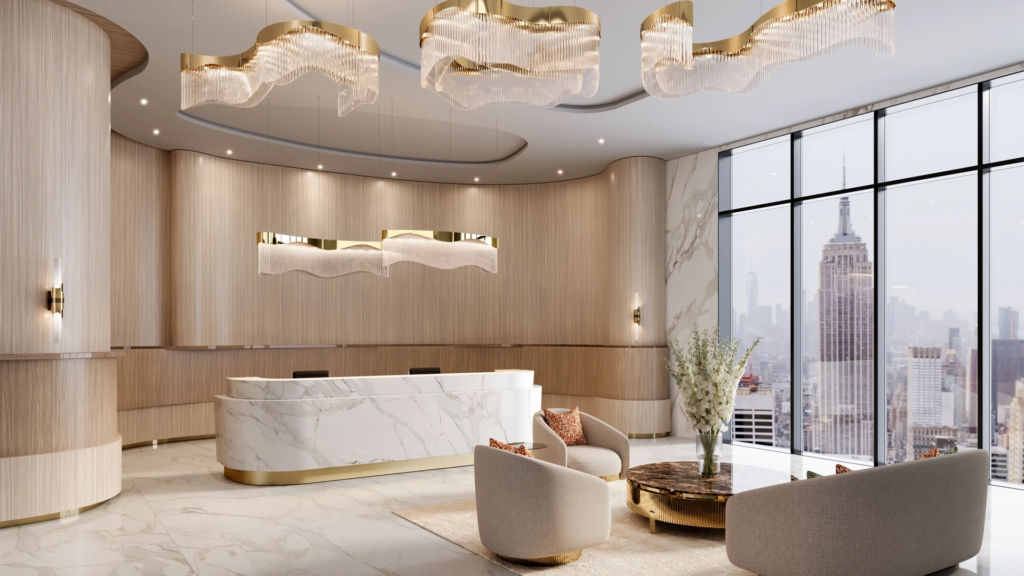
There was a time when luxury Lifestyle was remarkably simple to define. It was loud, heavy, and practically shouted its price tag from across the room. It lived in massive logos printed across canvas totes, chrome-heavy supercars with deafening exhaust notes, stiff tailored tuxedos, and massive crystal chandeliers that required a small army of staff to keep polished.
That version of luxury Lifestyle is dead.
As we move through 2026, the global shift in how high-net-worth individuals live, spend, and think has reached a fascinating, irreversible tipping point. Modern wealth isn’t about displaying what you can buy; it’s about controlling your time, optimizing your physical state of mind, and surrounding yourself with environments that feel utterly effortless, quiet, and deeply human.
The modern elite aren’t interested in flexing status to strangers. They are interested in radical peace, absolute frictionlessness, and seamless living. If you want to understand where high-end living is moving right now, you have to look past the shiny surface. Here are the core luxury lifestyle trends defining 2026—and why they represent a permanent evolution in high-end design, fashion, travel, and personal wellness.
1. “Featherweight” Luxury: The Physics of Effortlessness
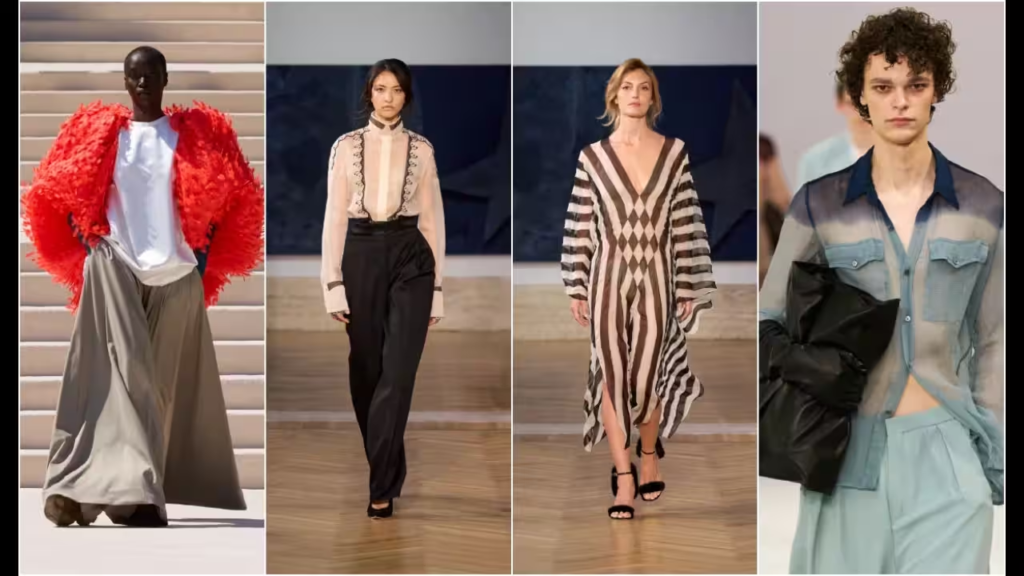
For over a century, heavy meant expensive. A heavy wool coat, a solid mahogany desk, a thick gold chain, a dense mechanical watch—physical weight was directly correlated with perceived value. But in 2026, the ultimate flex is total weightlessness.
Driven by shifting global weather patterns, hyper-mobility, and a collective exhaustion with overbuilt, restrictive design, both high fashion and residential architecture have embraced what top design houses call featherweight luxury.
- Fashion Without Gravity: Tailoring has been completely rewritten from the inside out. Master tailors are stripping out internal horsehair canvasing, stiff shoulder pads, and heavy silk linings. Instead, they are utilizing bio-engineered silks, weightless open-weave cashmeres, ultra-fine merino wools, and 3D-molded micro-leathers. These materials hold dramatic, sharp architectural shapes while feeling like practically nothing against the skin. The goal isn’t just looking elegant; it’s moving through an international airport or a five-hour dinner without feeling weighed down by your own wardrobe.
- Architecture that Breathes: In top-tier residential real estate, heavy masonry and thick concrete walls are giving way to ultra-slender structural steel frames, dramatic floating cantilevered spans, and high-performance structural glass panels that slide entirely out of sight into internal pockets. The physical barrier between indoor living space and the surrounding natural landscape has blurred to near zero.
When a garment or a building looks incredibly structured and resilient yet weighs almost nothing, it signals an absurd level of material science and engineering mastery. That subtle, technical superiority is the new quiet flex.
2. Radical Frictionlessness: The Dawn of Invisible Tech
Remember when luxury smart homes meant having a glowing glass touch panel on every wall with fifty different complex mood-lighting menus? Today, that aesthetic looks hopelessly cluttered and dated.
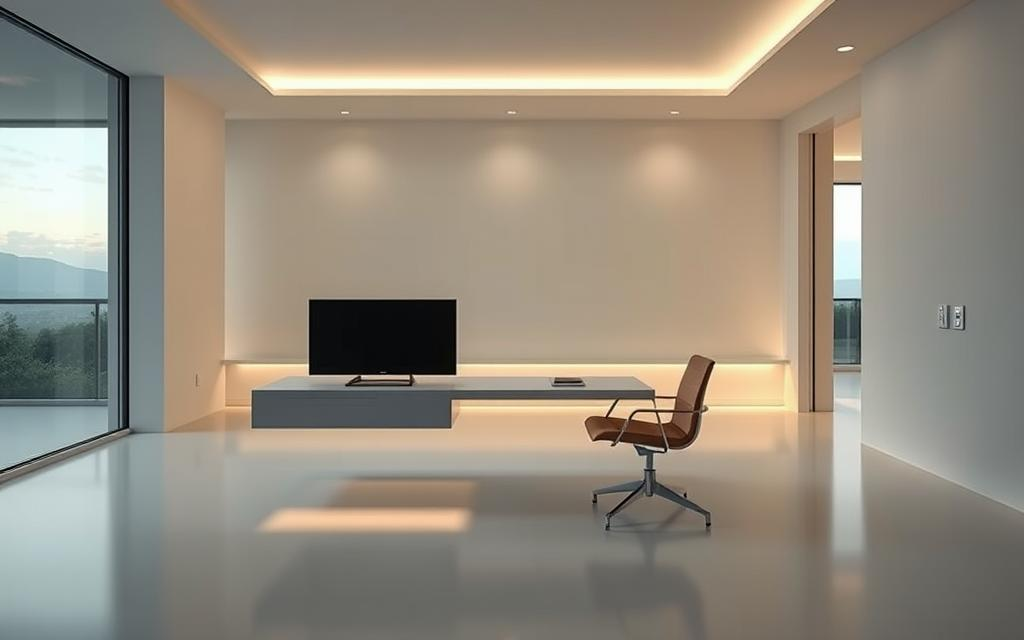
In 2026, visible technology feels decidedly low-rent. The dominant trend in high-end spaces is frictionless invisibility. The most sophisticated homes look almost antique or radically organic on the surface, while secretly running on some of the most advanced ambient intelligence systems ever engineered.
- No Screens, Just Sensing: Touchscreen wall controllers are gone, replaced by invisible spatial sensors, subtle voice commands, and micro-predictive automation. Your home understands your circadian rhythm without being told. Ambient lighting temperature shifts automatically to track the dynamic solar arc outside, underfloor hydronic climate systems adjust based on real-time body temperature, and continuous soundscapes flow seamlessly from room to room using hidden directional micro-speakers built directly into hand-troweled acoustic plaster.
- The Death of App Overload: Elite consumers are actively rejecting software that demands manual management. If a luxury appliance requires you to unlock a phone, open an app, and tap a button just to adjust a setting, it isn’t luxury—it’s an annoying administrative chore. High-end systems operate entirely in the ambient background, handling ongoing maintenance, multi-layered security, and micro-climate adjustments without ever asking for a manual swipe.
True modern luxury isn’t owning more high-tech gadgets; it’s never having to look at a screen or think about how your environment operates.
3. Sanctuary Homes & Private Longevity Labs
The home is no longer designed primarily as a place to host massive dinner parties or display acquired art collections. It has fundamentally transformed into a high-tech sanctuary devoted to individual recovery, longevity, and biological optimization.
Driven by breakthrough advances in longevity science and preventative medicine, wealthy homeowners are building deep-wellness suites within their private residences that far outpace the capabilities of commercial day spas.
| Sanctuary Feature | The Old Standard | The 2026 Luxury Standard |
|---|---|---|
| Primary Bathroom | Polished marble tub & rainfall shower | Integrated full-spectrum infrared sauna, custom cold-plunge pools, & hyperbaric oxygen chambers |
| Air & Water Systems | Standard HVAC air filtration | Medical-grade atmospheric air scrubbers & mineral-customized, multi-stage home water systems |
| Acoustic Design | Heavy drapes & thick rugs | Double-wall decoupled acoustic isolation engineering for total ambient silence |
| Circadian Lighting | Decorative crystal chandeliers | Dynamic full-spectrum bio-adaptive lighting synced to natural biological rhythms |
Homeowners are allocating significant square footage to specialized “decompression zones.” Built with micro-perforated acoustic timber, zero visible electronics, ambient oxygen enrichment, and soft tactile surfaces, these rooms offer an immediate sanctuary to reset an overstimulated nervous system. Health is no longer treated as a weekend getaway; it is integrated directly into the floor plan of daily life.
4. Experiential “Deep Time” Travel
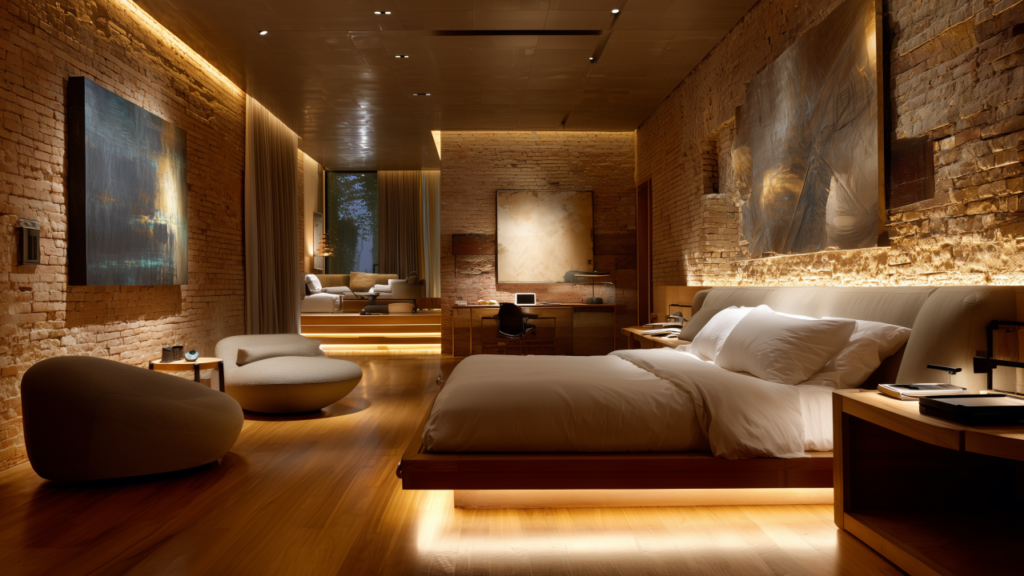
The era of sprinting through four major European capitals in seven days for Instagram photo opportunities is completely over. The modern luxury traveler is obsessed with Deep Time—the luxury of unhurried immersion, complete privacy, and total disconnect from global noise.
- Single-Location Immersion: Ultra-high-net-worth travelers are eschewing rapid multi-destination itineraries in favor of month-long stays at single private estates. Whether it’s a meticulously restored traditional wooden compound in the Kyoto countryside, an off-grid solar-powered architectural retreat in the Norwegian fjords, or a private island sanctuary in the South Pacific, the priority is genuine local connection. Travelers spend weeks learning regional culinary techniques, engaging with local artisans, and letting their mental state untangle from the frantic velocity of corporate life.
- Ultra-Discreet Mobility: Private charter travel is shifting away from traditional airport-to-airport business jets toward bespoke long-range luxury airships, slow-sailing eco-superyachts, and private restored train carriages. The journey itself has reclaimed its position as the core experience. When seamless high-speed satellite internet allows you to run a global enterprise from literally anywhere on Earth, the urge to rush to a runway completely vanishes.
- Unplugged Anonymity: The most coveted holiday bookings are those that promise absolute digital privacy. Premier resorts now feature non-traceable private ground transfers, strict non-disclosure agreements for all service staff, and enforced zero-photography policies, ensuring guests can exist completely unobserved.
5. Provenance, Materiality, and “Tactile Wealth”
Step into a newly completed ultra-prime residence in 2026, and you will notice a striking absence of sterile white lacquer, polished high-gloss marble, or cookie-cutter designer furniture. Instead, you are greeted by rich texture, visible history, and organic imperfections that tell an undeniable human story.
Designers call this movement Sensory Wealth. In an era where generative artificial intelligence can synthesize visually flawless digital images and automated factories can pump out hyper-perfect synthetic surfaces in seconds, perfection has lost its social value. What high-end buyers crave now is the raw, uncopyable touch of authentic human craftsmanship.
- Earth, Lime, and Raw Stone: Interior surfaces feature hand-troweled lime plasters, soft natural Roman clay, micro-cement, and raw rammed earth walls. Dining tables are crafted from massive, single-slab fallen timbers featuring raw, unpolished natural edges. Metal fixtures are no longer mirror-finished chrome; they are hand-brushed brass, patinated bronze, and hand-hammered iron that develop a deep, beautiful patina over years of daily use.
- Hyper-Local Provenance: Buying expensive furniture from a brand catalog is no longer considered impressive. The discerning homeowner wants to understand the exact origin of every piece: who sculpted the light fixture, where the stone was quarried, and what historical traditions inspired the craft. Acquiring a singular hand-carved piece directly from an independent regional craftsman using century-old joinery techniques carries infinitely more prestige than buying a mass-market luxury item.
6. Neo-Nomadism & The Multi-Hub Living Portfolio
The legacy concept of holding one massive primary residence alongside a single weekend summer house is rapidly fading away. The rise of hyper-flexible work cultures and global mobility has birthed the Neo-Nomad Elite.
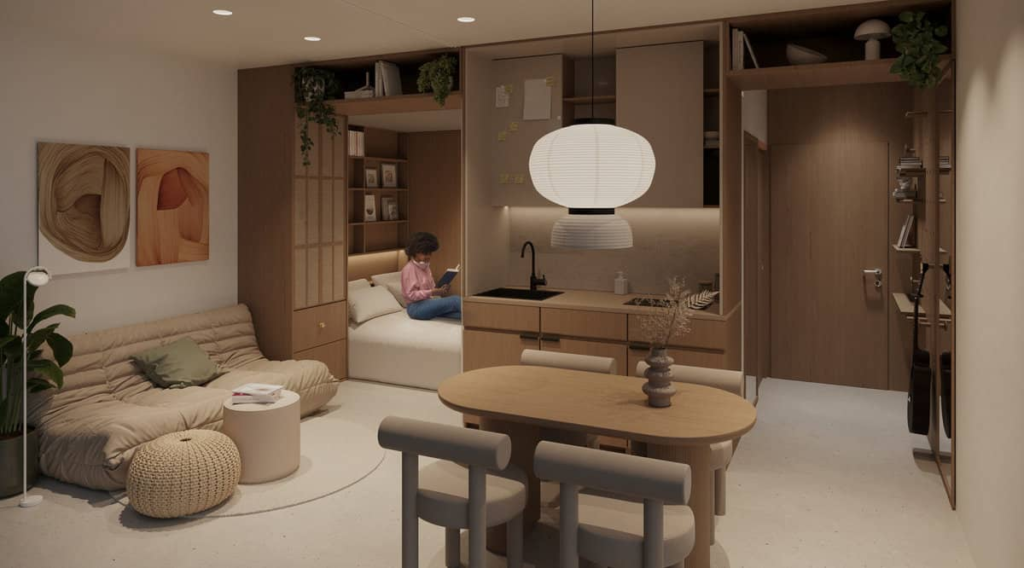
Rather than concentrating massive amounts of capital into a single megamansion that sits empty for half the year, affluent individuals are curating dynamic, highly flexible portfolios of smaller, ultra-prime residential spaces across strategic global hubs—for example, a light-filled apartment in Tokyo, a historic townhouse in London, a alpine retreat in Niseko, and a quiet coastal compound in Mallorca.
- Turnkey Global Living: These scattered homes are engineered to operate as a completely unified, plug-and-play lifestyle ecosystem. Dedicated private property management networks ensure that every residence is fully staffed, stocked, and personalized to the owner’s exact preferences before their arrival. The moment you step across the threshold in Europe or Asia, your preferred estate-grown tea is stocked in the kitchen, your personal art collection is rendered on dynamic digital frames, and the interior micro-climate is set to your preferred temperature.
- Community-Anchored Private Clubs: Because neo-nomads shift locations frequently throughout the calendar year, their social lives rely heavily on international private membership networks. Clubs that offer physical private houses, world-class dining, and curated intellectual gatherings across key global cities are seeing historic demand. They provide an immediate, high-trust social anchor no matter where on the map you happen to land.
7. Bio-Couture and Micro-Ateliers
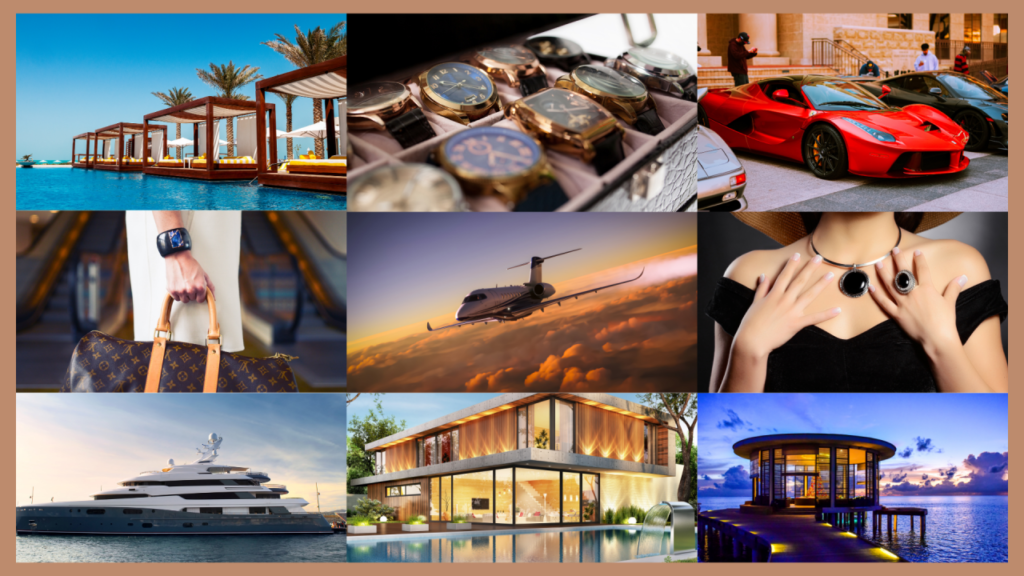
The global fashion landscape has hit a massive point of fatigue with logomania and mass-produced luxury merchandise. When a high-end handbag is manufactured by the tens of thousands and distributed across every international airport duty-free shop, it completely loses its exclusivity. In response, discerning consumers are shifting toward hyper-personalized bio-couture and hyper-exclusive micro-ateliers.
- Bespoke at the Cellular Level: Skincare and textiles are becoming deeply biological. Top-tier dermatological houses are formulating custom topical serums engineered around an individual’s specific DNA profile and biomarker data. Simultaneously, elite tailors are using ultra-precise 3D body scans to cut garments that match the unique physical geometry of a wearer’s body down to the millimeter, eliminating subtle pulls, drag, and discomfort.
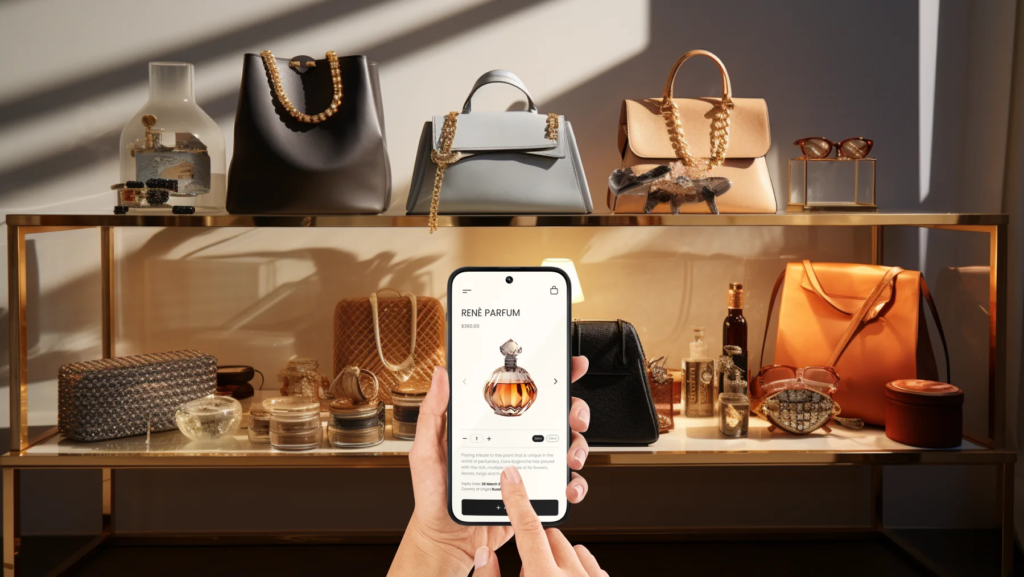
- Micro-Batches Over Mass Production: The most coveted fashion moves are no longer coming from legacy luxury conglomerates. They are originating from tiny, independent ateliers that produce tiny micro-batches of five, ten, or twenty pieces worldwide. If anyone with a smartphone can purchase the exact same runway jacket in two taps, it isn’t real luxury—it’s just expensive fast fashion. True luxury today requires patience, personal relationship-building with the maker, and an appreciation for scarcity.
8. The Rise of Regenerative & Conscious Living
Sustainability used to be a secondary consideration in the high-end space—a nice marketing footnote printed on recycled paper. In 2026, environmental responsibility has shifted from passive “sustainability” (doing less harm) to active regeneration (leaving an environment demonstrably better than you found it).
High-net-worth investors and property developers are pouring resources into projects that restore local ecosystems, rebuild degraded soil, and generate clean off-grid energy for surrounding communities.
- Regenerative Architecture: Ultra-prime estates are being designed as positive-energy ecosystems. Homes feature advanced closed-loop water harvesting systems, solar-integrated glass facades, and residential food-forest permaculture systems designed by master agronomists. These properties don’t just consume zero grid energy; they actively export surplus clean energy back to local networks and restore native biodiversity to the surrounding land.
- Ethical Craft Capital: Ultra-wealthy patrons are viewing their purchasing power as a form of cultural stewardship. Investing in luxury goods now means directly supporting endangered craft traditions, revitalizing indigenous weaving communities, and funding heritage preservation projects. High-end consumption has transformed into an active tool for cultural and environmental preservation.
The Underlying Master Shift Intention Over Display
When you step back and look at the broader picture of 2026, a clear, unmistakable philosophy unites all of these shifts.
Luxury is no longer about accumulation; it is about curation. It is no longer about showing off wealth to an audience; it is about enriching your private daily experience. It is about stripping away visual clutter, biological stress, physical weight, and administrative friction so you can focus entirely on what makes life deeply fulfilling.
Whether it’s a tailored suit engineered to feel light as air, a quiet sanctuary home that passively monitors your well-being, a month spent fully unplugged in an ancient rural village, or a hand-carved piece of timber that carries the soul of the craftsman who built it, modern luxury is measured by depth, stillness, personal autonomy, and human connection. The loudest display in the room has officially lost its power; the quietest, most intentional experience is what truly wins.
FAQ’S
1. What are the top luxury lifestyle trends in 2026?
Personalized experiences, wellness, sustainable luxury, smart technology, and exclusive travel.
2. What is modern luxury living?
Modern luxury focuses on comfort, quality, personalization, privacy, and meaningful experiences.
3. Is sustainable luxury trending in 2026?
Yes, eco-friendly materials, ethical brands, and responsible luxury are gaining popularity.
4. What are popular luxury travel trends?
Private retreats, luxury resorts, wellness getaways, and personalized travel experiences are trending.
5. How is technology influencing luxury lifestyles?
AI, smart homes, personalized services, and advanced wellness technology are transforming luxury living.