
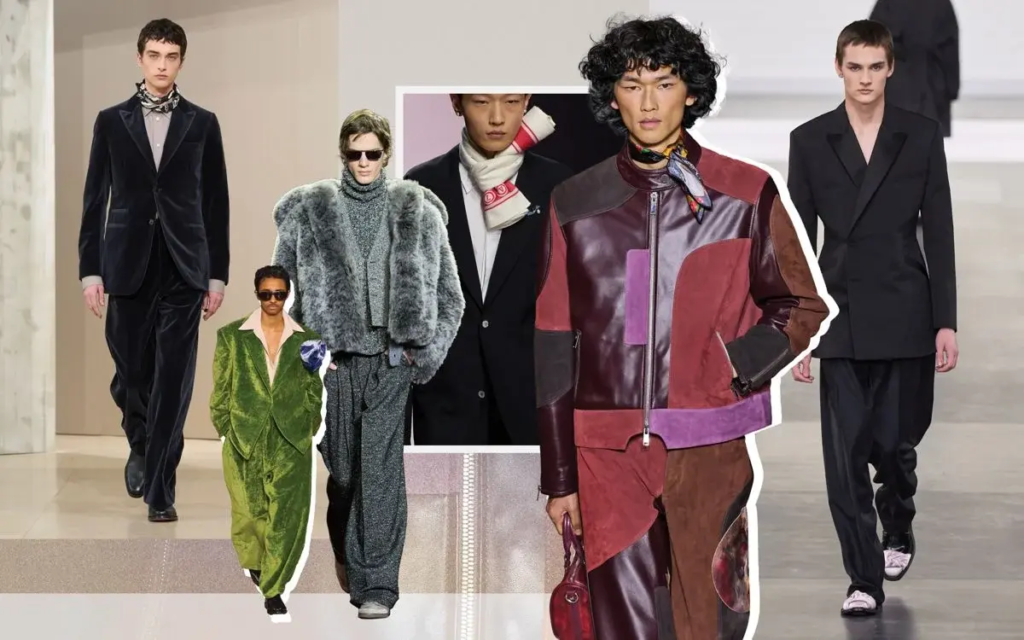
There is a specific, quiet exhaustion that comes with trying to keep up with the fashion industry. Just when you’ve finally figured out how to style a certain pair of jeans, a viral video informs you that they are officially “out,” replaced by a silhouette that looks like it was pulled from a sci-fi film or your parents’ high school yearbook. If you try to chase every single micro-trend that pops up on your feed, you’ll end up with a closet full of expensive, synthetic clothes you hate, a drained bank account, and the frustrating feeling of having absolutely nothing to wear.
But if you pull back from the relentless cycle of fast fashion, you find a much more liberating truth: fashion is just a collective suggestion, but style is entirely yours. True style isn’t about looking like a carbon copy of a runway model or an influencer with a team of stylists. It is an entirely personal language. It is the visual business card you present to the world before you even open your mouth. Today’s style landscape is moving away from rigid fashion dictates and leaning into something much more human: individuality, comfort, and authenticity.
The Death of the Trend Cycle (And the Rise of Personal Style)
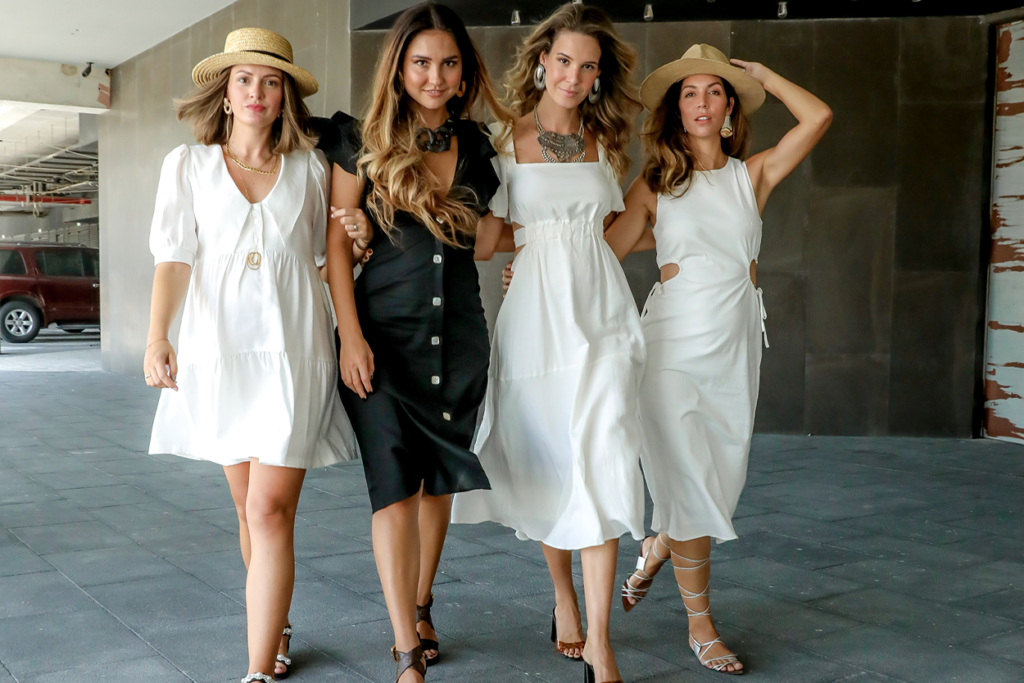
Building a signature look doesn’t mean buying a whole new identity every six months. It starts with a brutal, honest audit of your own life. If your day-to-day involves running after kids, sitting in a creative studio, or commuting on a train, a stiff, high-maintenance wardrobe is going to make you miserable. The most stylish people aren’t those wearing the most expensive or avant-garde labels; they are the ones who look completely at home in their own skin.
The Anchor Pieces: Investing in Your Core Wardrobe
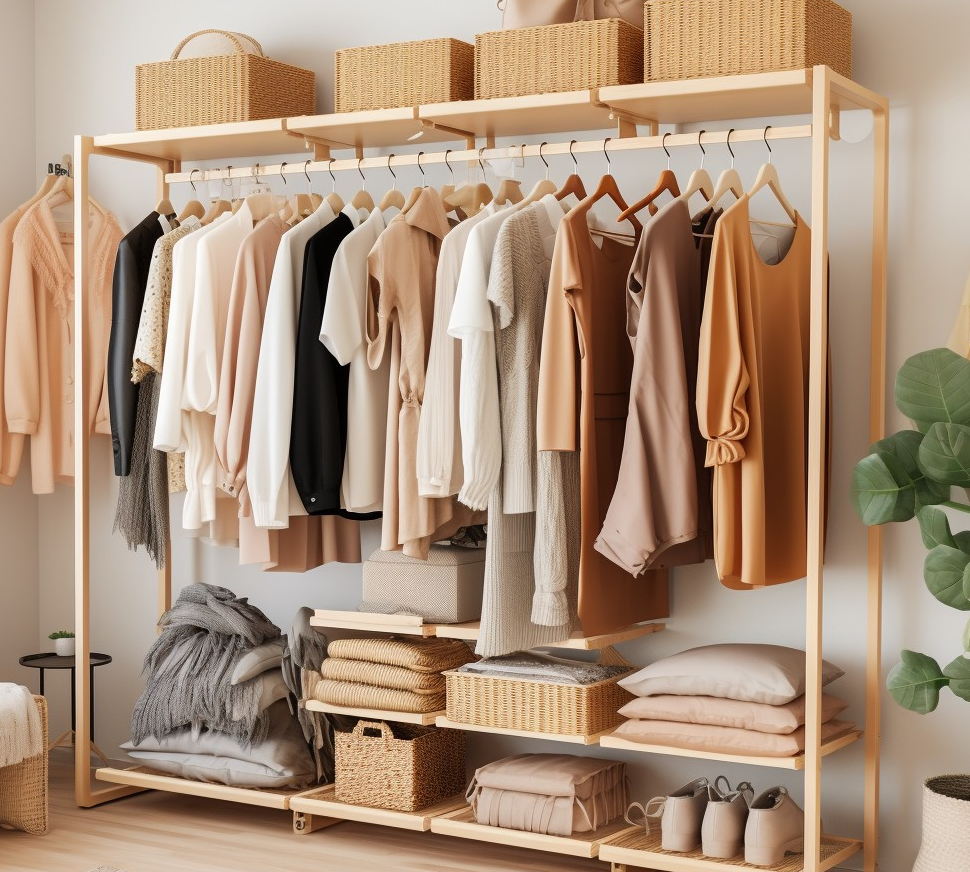
When you have a solid collection of anchor pieces, getting dressed in the morning stops being a stressful chore. You can throw on a great pair of straight-leg denim, a crisp t-shirt, and a beautifully tailored blazer, and you instantly look put-together without even trying.
If your wardrobe is a building, your trend pieces are the paint color, but your basics are the concrete foundation. If you don’t invest in the foundation, the whole thing falls apart.
We are living through a fascinating shift. For decades, fashion was a top-down dictatorship—a few editors and designers in Paris or New York decided what was acceptable, and the rest of us followed suit. Today, that wall has completely crumbled.
| The Anchor Piece | The Fast-Fashion Trap | The Thoughtful Investment |
| The White Button-Down | Thin, see-through polyester that warps and yellows after three washes. | Sturdy, breathable organic cotton with a weight that holds its structure. |
| The Everyday Blazer | Shoddy stitching and stiff shoulders that restrict your movement. | A relaxed, slightly oversized cut in a high-quality wool blend or heavy linen. |
| The Daily Footwear | Flimsy flats or trendy sneakers that give you blisters within twenty minutes. | A timeless leather loafer or a clean, classic leather sneaker built for walking. |
The Comfort Compromise
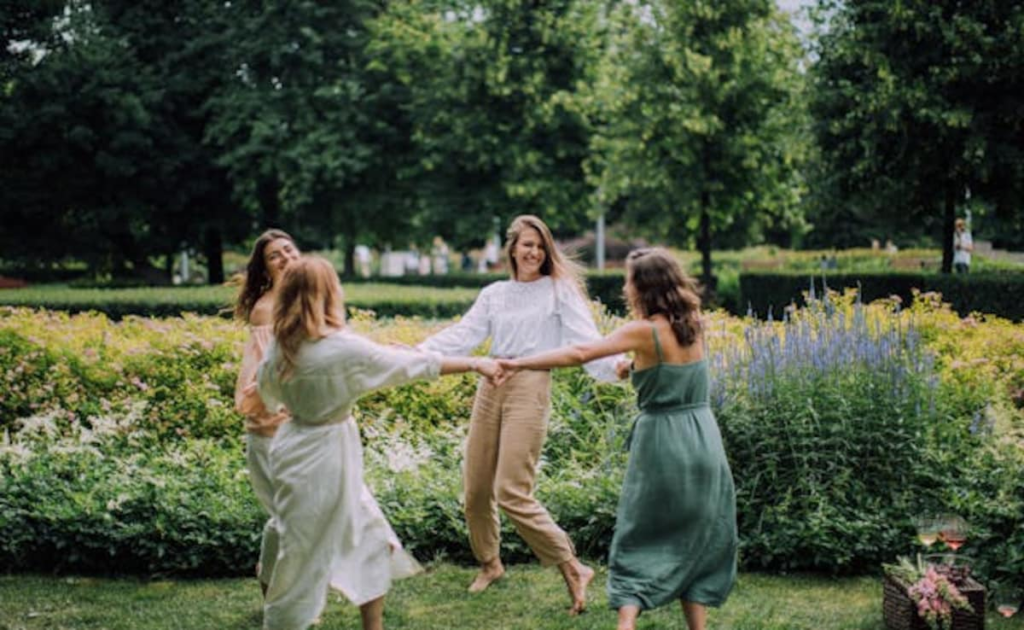
For a long time, the fashion world operated under the toxic assumption that beauty requires pain. We wore shoes that pinched our toes, waistbands that left deep red marks on our skin, and fabrics that didn’t breathe. Thankfully, the collective human consciousness finally revolted against that nonsense.
Comfort is no longer the enemy of high style; it is the prerequisite. The modern wardrobe relies heavily on relaxed tailoring, fluid trousers, oversized knitwear, and matching sets that feel like pajamas but look incredibly sophisticated.
The secret to pulling off a comfortable, relaxed look without looking like you just rolled out of bed comes down to one word: intent. An oversized silhouette looks brilliant when it is paired with a clean hairstyle, a structured leather bag, or a sharp piece of jewelry. It tells the world that you are comfortable by choice, not by accident.
Playing with Color and Proportions
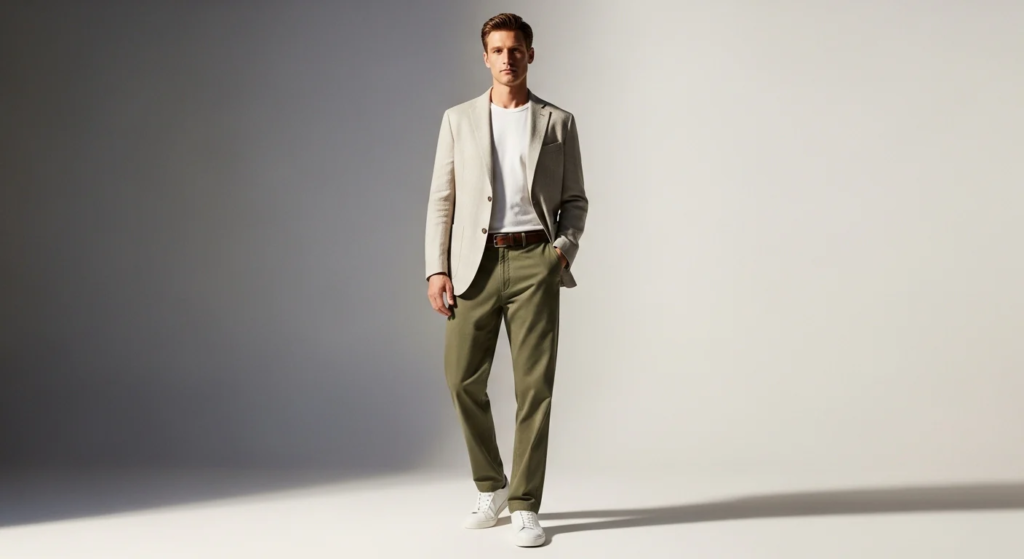
If your closet is a sea of black, grey, and navy, you aren’t alone. Neutrals are safe, easy, and undeniably chic. But completely avoiding color can make your wardrobe feel a bit like a monochrome prison.
You don’t need to start wearing head-to-toe neon to break out of a color rut. Think of color as punctuation. Keep your core outfit understated—perhaps a beige knit sweater and dark trousers—but add a jolt of energy with a rich forest green handbag, a cherry red scarf, or a cobalt blue pair of socks.
Similarly, changing your proportions can instantly modernize an outfit. If you are wearing an oversized, boxy button-down shirt, balance the visual weight by pairing it with a structured, slim-leg trouser. If you are wearing wide-leg, flowing pants, opt for a more fitted, tucked-in top. It’s a simple game of visual seesaw that keeps your outfit looking balanced and sharp.
The Ethics of the Closet: Moving Beyond Fast Fashion
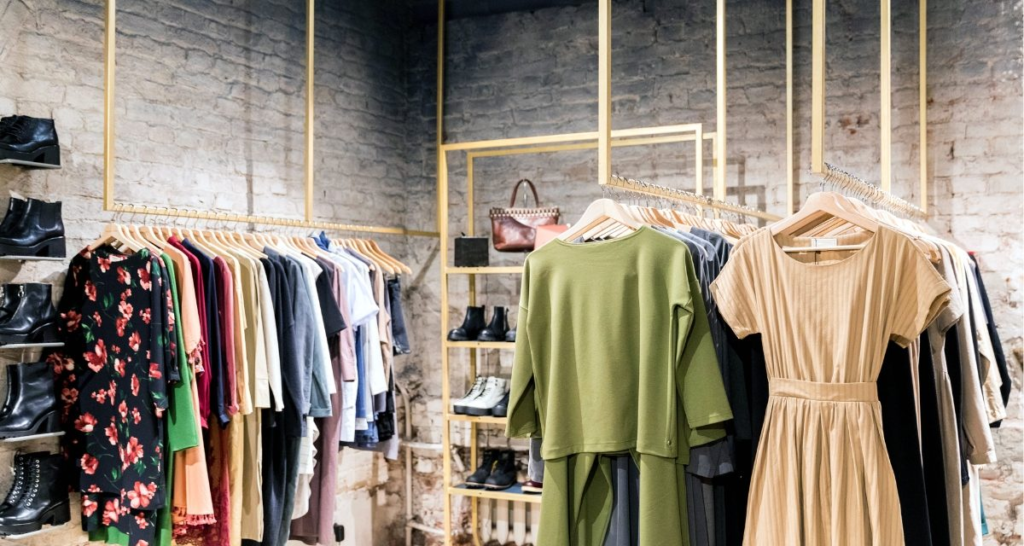
We can’t talk about modern style without talking about the elephant in the room: the environmental and human cost of fast fashion. The thrill of buying a $15 shirt wears off incredibly fast when it falls apart in the laundry or ends up in a landfill two months later.
Moving toward a sustainable wardrobe isn’t an all-or-nothing lifestyle change; it’s a shift in perspective. It means adopting a “buy less, choose well” mindset.
Before you buy an item, ask yourself: Can I think of at least five different ways to style this with things I already own? Will I still want to wear this in three years?
Thrifting, exploring vintage shops, clothing rentals for big events, and taking proper care of the clothes you already own (like actually reading the care labels and hanging things up instead of letting them pile on “the chair”) are radical acts of style. A small, curated capsule wardrobe of high-quality pieces you love will always bring you more joy than a chaotic closet bursting with cheap impulses.
The Finishing Touches: Accessories and Layering
Layering is another masterclass tool for creating depth. Don’t just throw on a shirt and call it a day. Add a lightweight turtleneck underneath a button-down, drape a sweater over your shoulders, or add a structured long coat over a casual hoodie. Layering adds visual texture, lets you adapt to changing temperatures throughout the day, and makes your outfit look like it took a lot more thought than it actually did.
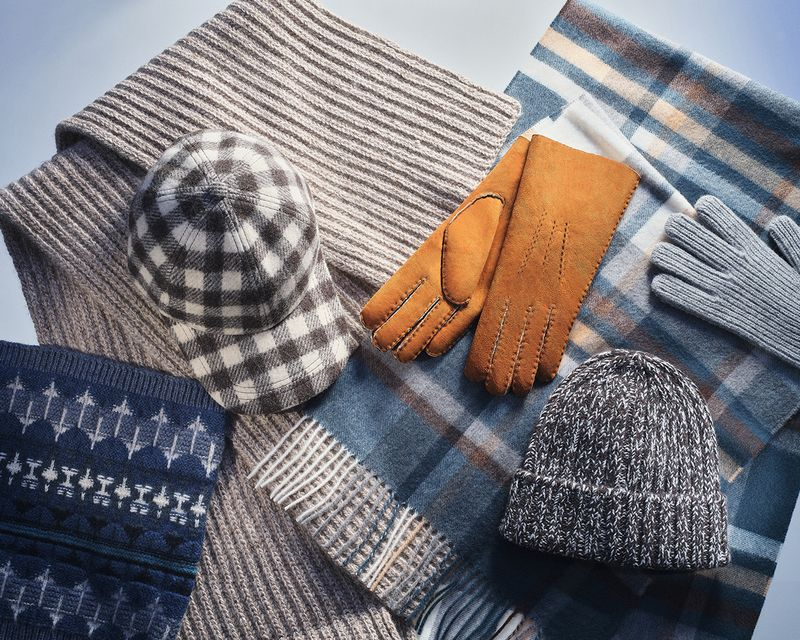
If your clothes are the canvas, accessories and layering are the brushstrokes that turn it into art. This is where your personality gets to shine through. You can take two people, put them in the exact same white t-shirt and blue jeans, and they will look like completely different humans based on how they accessorize.
The Only Trend That Matters
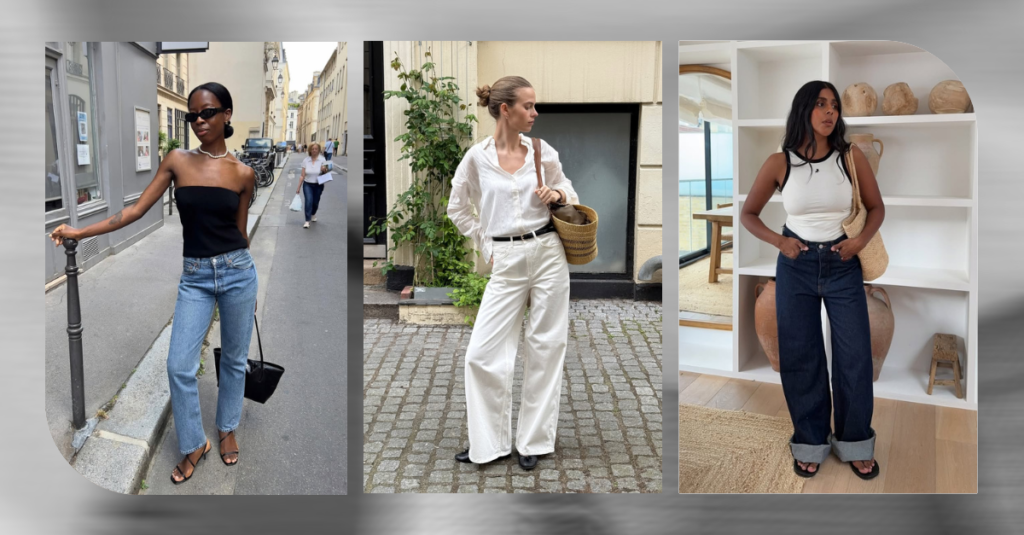
You can memorize every single rule of style, track down the most exclusive vintage pieces, and buy the most expensive fabrics, but if you don’t wear your clothes with confidence, the outfit will always wear you.
We’ve all seen someone walking down the street wearing something completely wild or unconventional, yet they look absolutely magnificent. Why? Because they own it. They aren’t constantly pulling at their hemline, adjusting their collar, or looking around nervously to see if people are judging them. They are aligned with their choices.
FAQ’S
1. What are the top fashion trends this year?
Oversized fits, neutral colors, sustainable fashion, and statement accessories are among the biggest trends.
2. How can I improve my personal style?
Choose clothes that fit well, match your personality, and invest in timeless wardrobe essentials.
3. Is sustainable fashion becoming more popular?
Yes, more people are choosing eco-friendly, high-quality, and ethically made clothing.
4. Can I follow trends on a budget?
Yes, by mixing classic basics with a few affordable trend pieces and shopping smart.
5. Why is personal style more important than fashion trends?
Personal style reflects your individuality and helps you feel confident regardless of changing trends.