

We live in an era obsessed with optimization. Everywhere you look, an algorithm or an influencer is telling you how to fix your life, optimize your sleep, manifest your dream career, or join the “5 AM club.” It is exhausting. This endless pressure to upgrade our lives can make self-growth feel less like a path to happiness and more like a second, unpaid job where the boss is a perfectionist bully inside your own head.
But let’s strip away the corporate self-help jargon. True personal growth isn’t about transforming into a flawless, hyper-productive robot. It is about becoming more comfortable in your own skin. It’s the quiet, often messy process of figuring out who you actually are under all the layers of expectations other people have placed on you, and then making small, deliberate choices to honor that person.
The Illusion vs. The Reality of Growth
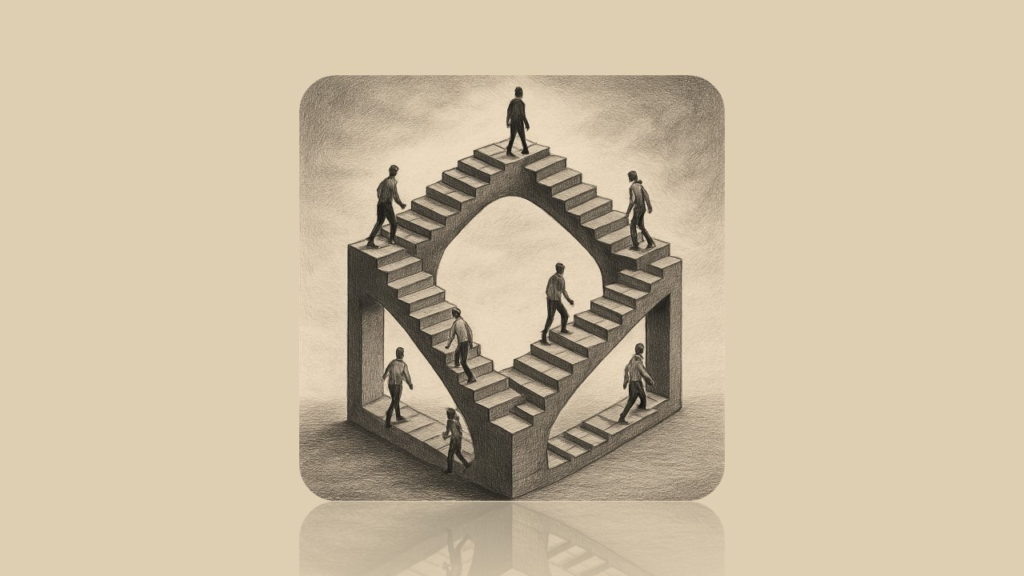
When you accept that growth is a game of millimeters rather than miles, the pressure evaporates. You stop waiting for a massive life wave to ride and start focusing on the tiny, daily ripples you can actually control.
The internet loves a good transformation montage—the dramatic before-and-after photos, the sudden career pivots, the overnight lifestyle overhauls. In reality, real human change is painfully slow, incredibly unglamorous, and rarely linear.
| The Self-Help Aesthetic | The Messy Reality |
| Waking up at 5:00 AM to meditate, journal, and drink green juice. | Waking up 15 minutes earlier so you don’t have to sprint to the office in a panic. |
| Completely eliminating all bad habits overnight through sheer willpower. | Swapping one mindless scrolling session a day for ten pages of a book you actually enjoy. |
| Never failing, only pivoting gracefully into immediate success. | Outright failing, feeling incredibly embarrassed, crying, and then trying again anyway. |
Getting Brutally Honest with Yourself
You cannot map out a route to somewhere new if you are lying to yourself about where you are currently standing. This is what psychologists call self-awareness, but in plain English, it just means calling out your own bullshit.
It means sitting down in a quiet room and noticing the patterns you repeat when things get tough. This kind of inventory shouldn’t be an exercise in self-flagellation. It’s about curiosity, not judgment. Once you understand your automatic triggers, you gain the superpower of a split-second pause. In that pause, you get to choose a new response instead of just running on your old, defensive programming.
The Danger of the Comfort Zone Trap

There is a comfortable, warm numbness to routine. Doing the exact same things, talking to the exact same people, and thinking the exact same thoughts feels incredibly safe. But comfort zones have a dark side: they are incredibly sterile environments. Nothing new ever grows there.
You don’t need to jump out of an airplane to stretch your boundaries. Start small. Order something different on the menu. Speak up in a meeting where you normally stay quiet. Have that uncomfortable, honest conversation you’ve been putting off for three weeks. Every time you survive a moment of intentional discomfort, your world gets a little bit bigger.
Befriending Failure
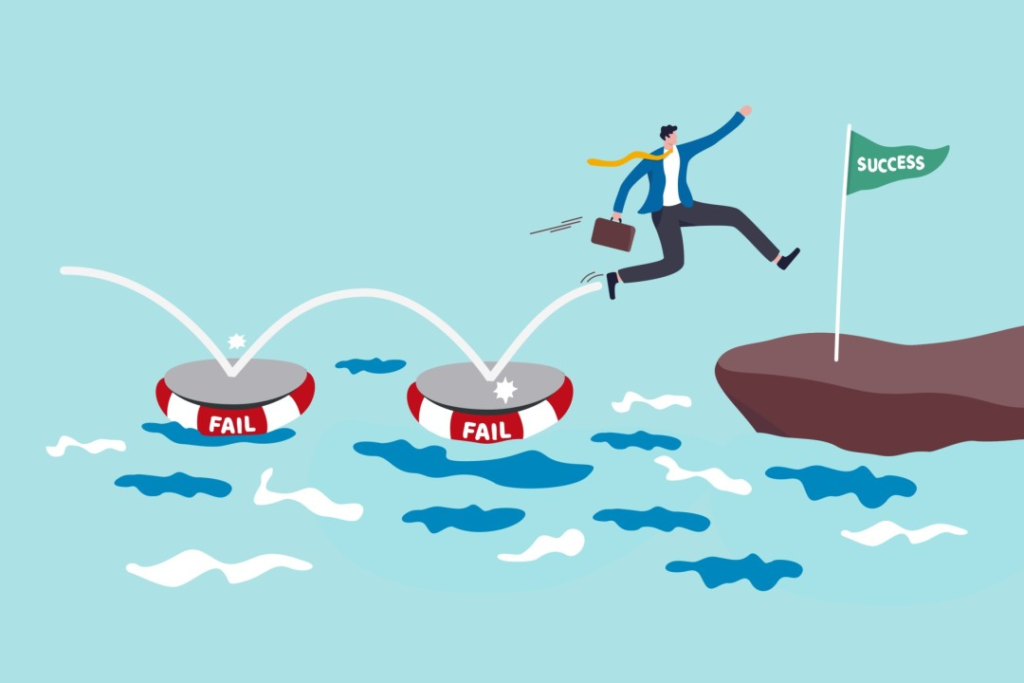
We are conditioned from childhood to view failure as a final grade—a red “F” stamped on our character. Because of this, many of us develop a subconscious strategy: If I don’t try anything difficult, I can never fail, and therefore I will always be safe.
But failure isn’t the opposite of success; it is the raw ingredient of it. Think of it like physical exercise. When you lift weights, you are quite literally micro-tearing your muscle fibers. You are pushing them to the point of temporary failure. It is only in the recovery phase that the muscle rebuilds itself stronger than it was before.
When a plan falls apart, give yourself permission to feel frustrated or disappointed for an afternoon. Then, dust yourself off and treat the situation like a post-mortem data drop. What part of this was in my control? Where did my assumptions go wrong? How can I adjust my approach next time? The only true failure is a setback from which you extract absolutely zero data.
Protecting Your Real Estate: Energy and Boundaries

Your time, your mental focus, and your emotional energy are finite resources. Yet, most of us hand them out like free flyers on a crowded street corner. We allow toxic friends to drain our evenings, we let work bleed into our weekend dinners, and we let notifications dictate our mood.
Personal growth is largely an editing process. It’s about deciding what—and who—gets to stay in your life.
- Audit Your Inner Circle: You are the average of the people you spend the most time with. If your closest circle is filled with people who shoot down your ambitions, gossip constantly, or wallow in cynicism, it is nearly impossible to maintain a growth mindset. Find people who force you to level up just by being around them.
- The Power of a Direct “No”: Every time you say yes to something you don’t care about out of guilt, you are saying an involuntary “no” to your own peace of mind, your rest, or your personal projects. “No” is a complete sentence. You do not owe anyone a three-paragraph justification for protecting your boundaries.
FAQ’S
1. What is self-growth?
Self-growth is the process of improving your mindset, habits, skills, and overall well-being.
2. How can I begin my self-growth journey?
Start by setting clear goals, building healthy habits, and practicing self-awareness.
3. Why is self-growth important?
It helps improve confidence, resilience, relationships, and personal success.
4. Can small daily habits support self-growth?
Yes, consistent small habits can lead to significant personal development over time.
5. How long does self-growth take?
Self-growth is a lifelong journey that requires continuous learning and consistent effort.