
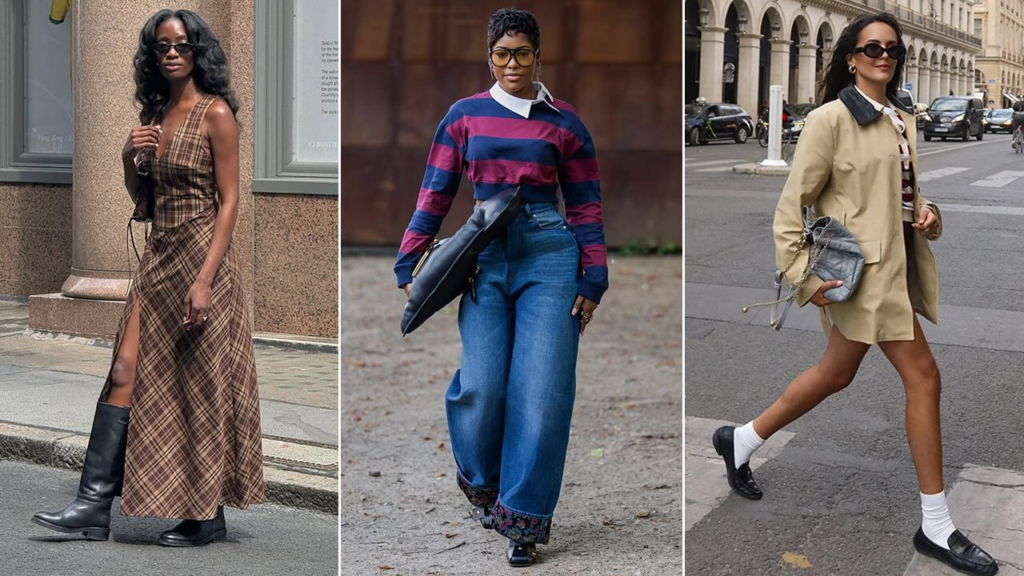
Let’s be entirely honest: the modern fashion Style industry is exhausting. We are constantly bombarded by an endless cycle of micro-trends, seasonal lookbooks, and targeted ads screaming that our current wardrobe is suddenly obsolete. One week it’s all about minimalist earth tones; the next, you’re apparently supposed to be wearing neon lime green and platform loafers.
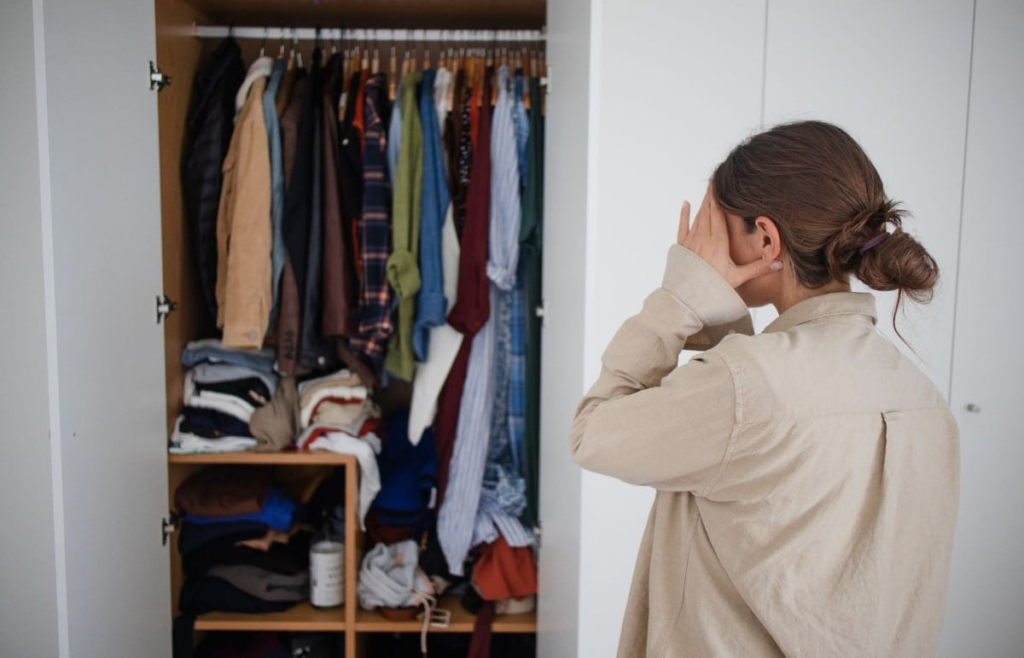
If you try to sprint alongside the runway, you’ll end up with a maxed-out credit card, a closet bursting at the seams, and that familiar, frustrating feeling of standing in front of a mountain of clothes thinking, “I have absolutely nothing to wear.”
True style doesn’t require a total wardrobe reincarnation every three months. It’s about something much deeper: adaptability, comfort, and an intuitive understanding of how to make the changing weather work for you, not against you. Seasonal dressing shouldn’t feel like a chore dictated by corporate trendsetters. When you approach it with the right mindset, it becomes a natural, creative rhythm—a way to hit the reset button on your look while keeping your core identity intact.
The Psychology of the Closet Reset
Why do we get that sudden, primal urge to switch up our style when the calendar flips? Because human beings are deeply tied to the natural world. Our clothing choices are the most immediate way we negotiate our relationship with our environment.
When the light shifts and the air changes temperature, our internal mood changes too. Seasonal dressing is a functional necessity—nobody wants to freeze in a linen shirt or sweat through a wool blazer—but it’s also a form of self-expression that mirrors the world around us.
The secret to mastering this cycle isn’t buying a whole new aesthetic every quarter. It’s about building a solid, high-quality foundation of year-round staples and learning how to subtly rotate in seasonal textures, colors, and layers that reflect the energy of the moment.
Navigating the Four Chapters of the Year
Every season comes with its own specific vibe, challenges, and style opportunities. Here is how to navigate them like a human, not a fashion mannequin.
Spring: The Great Transition Trick
The Vibe: Light, optimistic, and effortlessly flexible.
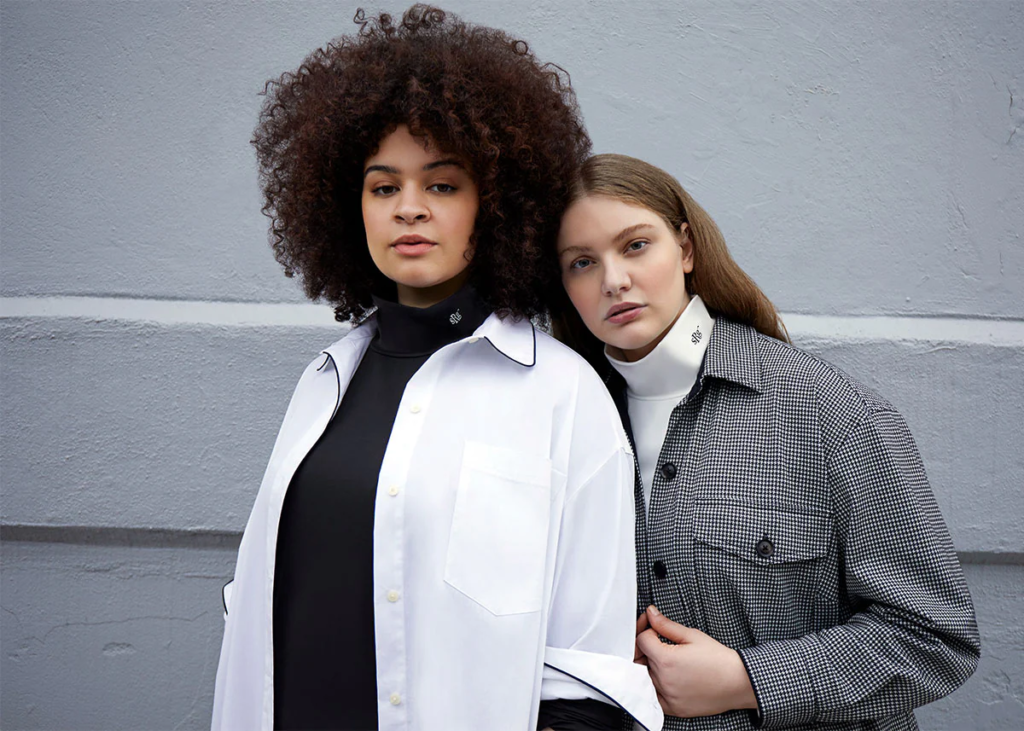
The Strategy: This is where lightweight outerwear earns its keep. Don’t pack away your winter knits just yet; instead, pair a chunky sweater with a lighter cotton skirt or relaxed trousers.
The Palette: Think about mirroring the earth waking up—soft pastels, washed denims, clean whites, and sage greens. It’s about shedding the heavy, dark visual weight of winter without leaving yourself completely unprotected against a rogue April breeze.
Spring is notoriously fickle. It’s the ultimate bridge season—one minute you’re enjoying a warm, sunlit afternoon, and the next you’re running for cover from a sudden, freezing downpour.
Summer: The Battle for Breathable Elegance
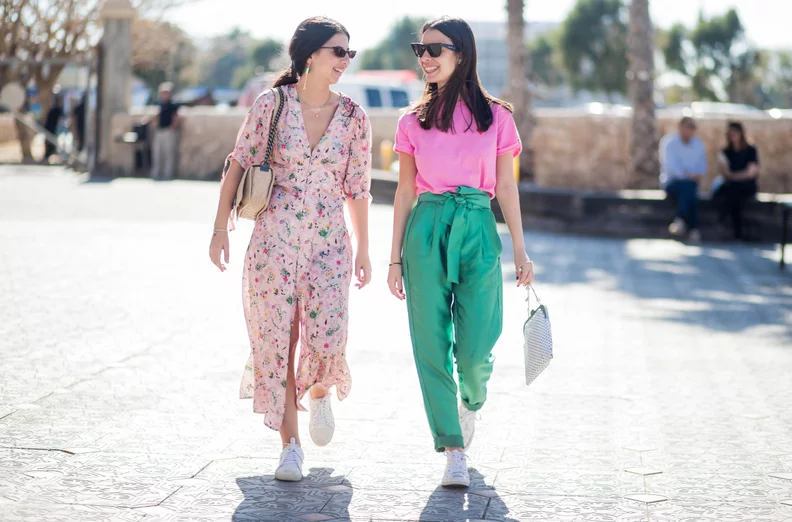
Summer fashion looks beautiful in editorials, but in reality, it’s usually a battle against heat and humidity. When the temperature spikes, the goal shifts completely: how do you look put-together when you feel like you’re melting?
The Vibe: Laid-back, sun-drenched, and low-maintenance.
The Strategy: Fabric composition is absolutely everything here. Put away the synthetic polyesters and heavy blends, and lean heavily into linen, 100% cotton, and rayon. Yes, linen wrinkles—embrace it. That lived-in, slightly rumpled look is exactly what makes summer style feel so effortless. Look for looser silhouettes that allow air to circulate.
The Palette: Vibrant corals, sky blues, crisp whites, and bold tropical accents that thrive in bright sunlight.
Autumn: The Undisputed Heavyweight Champion of Style
Ask anyone who truly loves clothes, and they will tell you that autumn is the best time of the year to get dressed. The brutal heat of summer is gone, but the bone-chilling freeze of winter hasn’t set in yet. It is the goldilocks zone of fashion.
- The Vibe: Rich, cozy, intellectually sophisticated, and deeply textured.
- The Strategy: Texture is your best friend in the fall. Introduce fabrics that have visual and tactile depth—corduroy, suede, heavy denim, cashmere, and cable-knits. This is the season where an outfit stops being just a shirt and pants and becomes an intricate composition of weight and feel.
- The Palette: Earthy, comforting tones. Think rich chocolate browns, warm camels, deep burgundy, forest greens, and burnt oranges.
Winter: Making Outerwear Your Entire Personality
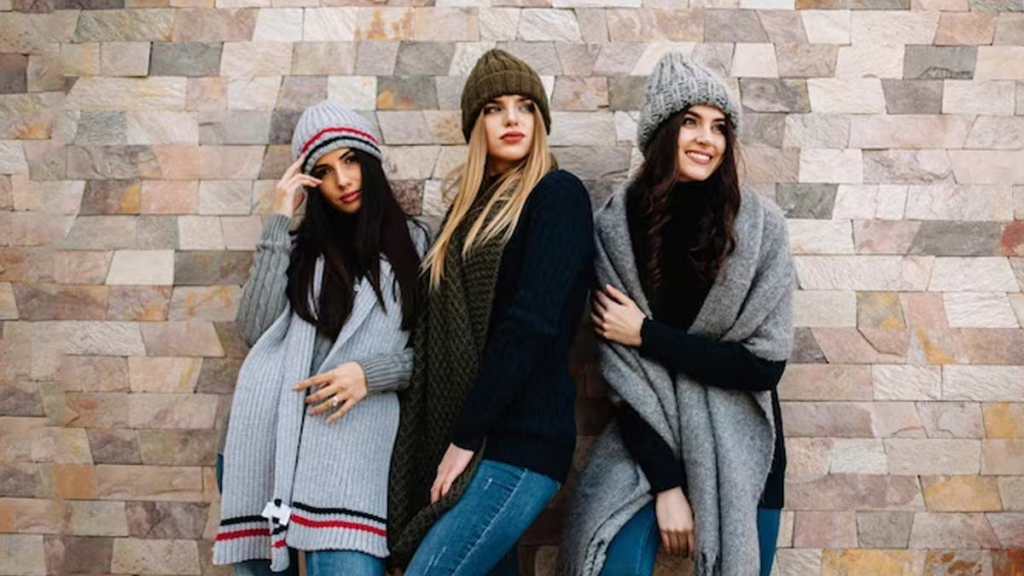
When winter hits, your coat effectively becomes your outfit for the next three months. It doesn’t matter how incredible your shirt is if it’s buried under a shapeless, generic parka.
- The Vibe: Protected, sharp, and structural.
- The Strategy: Invest heavily in high-quality outerwear. A beautifully tailored wool overcoat or a sleek, structural puffer jacket does all the heavy lifting for you. Underneath, focus on high-quality thermal base layers so you don’t have to bulk up like the Michelin Man just to stay warm.
- The Palette: Sophisticated, deep tones—charcoal grays, ink blacks, rich navy, emerald greens, and deep wine reds.
The Golden Rule of Style:
Trends are a suggestion, not a mandate. If a seasonal color or silhouette makes you feel self-conscious or uncomfortable, ignore it. Confidence will always turn heads faster than a passing fad.
The Art of the Layer: A Visual Guide
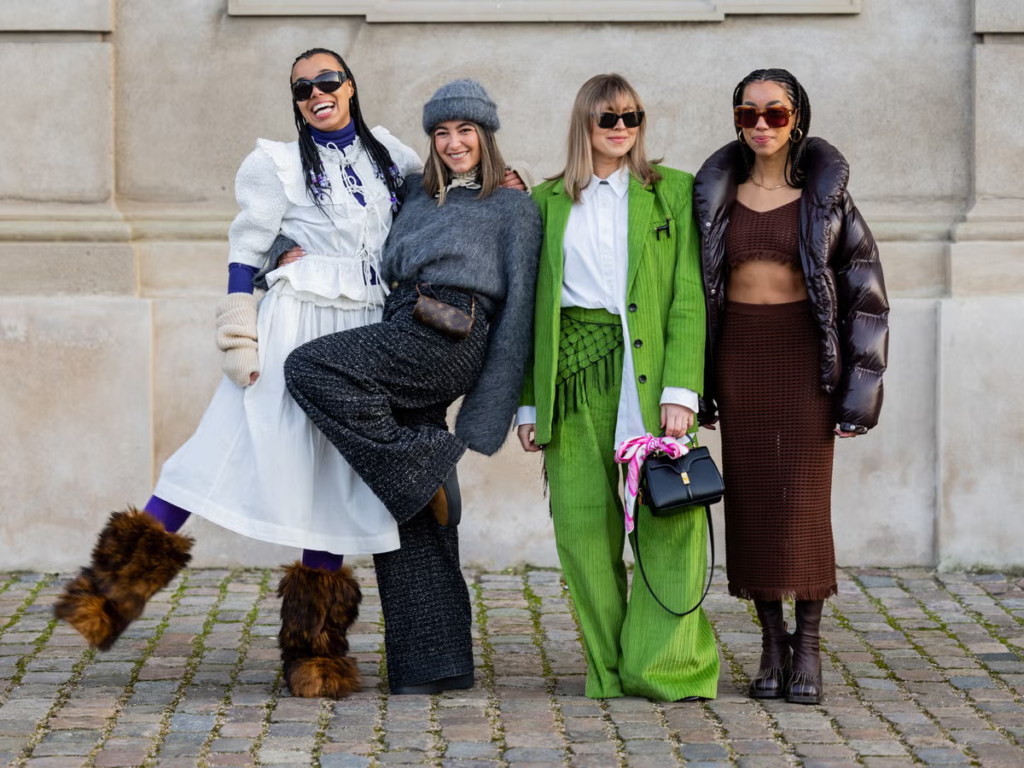
Layering isn’t just about piling on clothes until you’re warm; it’s an architectural skill. It’s about playing with different lengths, weights, and textures to create visual interest.
| Layer Level | Purpose | Key Pieces | Human Style Tip |
| Base Layer | Comfort & Moisture Management | Fine-ribbed cotton tanks, lightweight tees, silk camisoles | Keep this slim-fitting so your subsequent layers sit flat. |
| Mid Layer | Texture & Warmth | Denim shirts, chunky cardigans, knit vests, merino wool crews | Let a collar or a hem peek out to create visual contrast. |
| Outer Layer | Structure & Protection | Trench coats, leather jackets, tailored blazers, oversized wool coats | This defines your silhouette. Choose pieces with good shoulder structure. |
Building a Capsule Wardrobe That Defies the Calendar
The most sustainable—and budget-friendly—way to look stylish year-round is to build a rock-solid core of seasonless essentials. These are the pieces that never get packed away into storage containers when the weather turns. They form the canvas upon which you paint your seasonal accents.

The Ageless Staples
- The Perfect White Shirt: Wear it unbuttoned over a swimsuit in July; layer it under a cashmere sweater in January.
- Tailored Blazers: A sharp blazer can instantly elevate a casual summer t-shirt and shorts combo, or act as an insulation layer under a heavy winter coat.
- Great Denim: A pair of straight-leg, high-quality blue jeans doesn’t care what month it is. They pair just as beautifully with a linen tank top as they do with a heavy winter boot and turtleneck.
- The Little Black Dress: With sandals and gold jewelry, it’s a summer evening staple. With sheer tights, ankle boots, and a long coat, it’s a winter holiday outfit.
By prioritizing quality over quantity in these core items, you naturally move away from the toxic cycle of fast fashion. You begin to view your wardrobe as an investment—a curated collection of beautifully crafted pieces that tell a story over time rather than a chaotic pile of cheap, disposable garments.
The Ultimate Secret: Accessories Are the Pivot Point
If you don’t want to spend money on new clothes but still want to feel aligned with the changing seasons, look no further than your accessory drawer. Accessories are the lowest-effort, highest-impact way to completely shift the mood of an outfit.
Consider a basic outfit: a classic white t-shirt and dark denim jeans.
In July, you throw on a pair of tortoiseshell sunglasses, slide into some woven leather sandals, and sling a breathable straw bag over your shoulder. You look like you’re on your way to an outdoor cafe.
In November, you take that exact same t-shirt and jeans, tuck them into some rich leather ankle boots, wrap a massive, oversized wool scarf around your neck, and grab a structured burgundy handbag. Suddenly, you look perfectly attuned to a crisp, autumn afternoon.
The clothes didn’t change—the context did. Footwear, bags, hats, and jewelry are the punctuation marks of fashion. They tell the observer exactly how to read the rest of your outfit.
FAQ’S
1. What are seasonal style trends?
They are fashion trends that change with each season’s weather and styles.
2. Which fabrics are best for summer?
Cotton, linen, and rayon are lightweight and breathable choices.
3. Why is layering important?
Layering adds comfort, versatility, and style in changing weather.
4. How can I refresh my wardrobe each season?
Add a few trendy pieces while keeping timeless wardrobe essentials.
5. How do I create my own personal style?
Wear outfits that match your personality, lifestyle, and comfort level.