
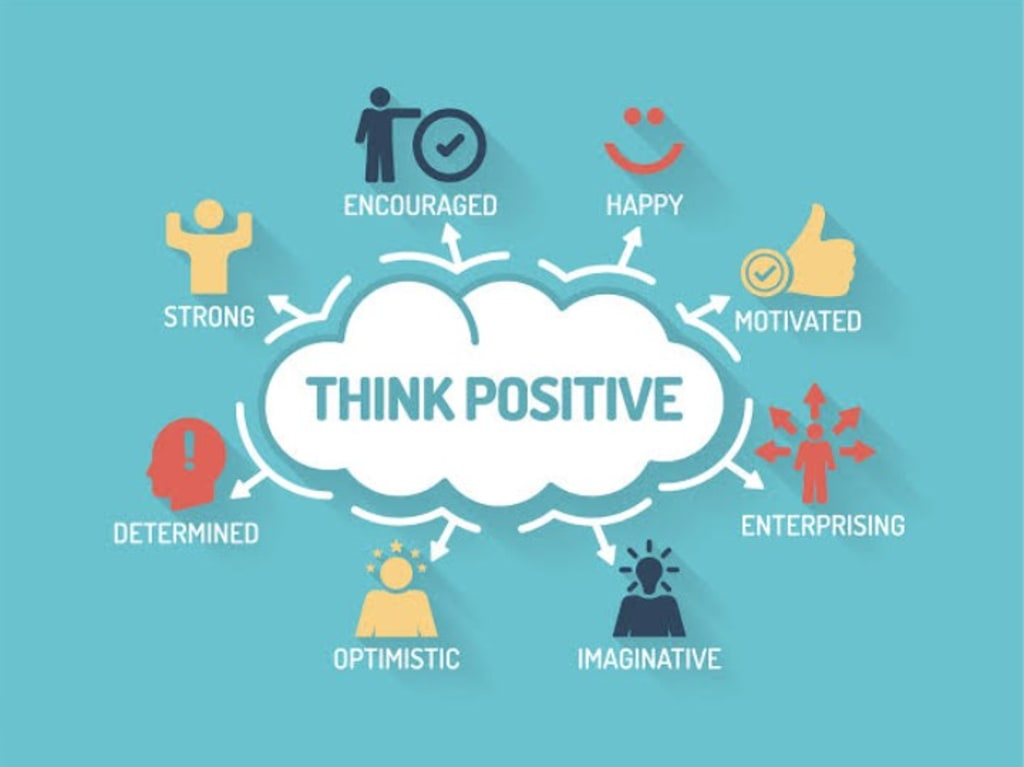
Let’s be entirely honest for a moment: the phrase “positive mindset” has been absolutely hijacked. It has been slapped onto trendy journal covers, recycled into hollow corporate slogans, and weaponized by toxic-positivity influencers telling you to just “manifest good vibes” when your life feels like it’s actively catching fire.
Because of that, it is easy to roll your eyes and dismiss the whole concept. But if you strip away the fluffy marketing, a genuine, resilient mindset isn’t about wearing blinders or pretending everything is perfect. It is about emotional survival. It is the mental framework that dictates how you process failure, how you handle the colleague who tests your last nerve, and how you pick yourself up when life knocks the wind out of you.
Here is a realistic, unfiltered look at how your mental framework operates in the real world, and how to build one that actually works when the going gets tough.
1. Deconstructing the Myth: What a Healthy Mindset Actually Looks Like

A realistic, positive mindset does not mean forcing a smile when you are running on fumes. That isn’t healthy; it’s exhausting. Life features genuine disappointment, grief, and stress. A functional mindset doesn’t erase those heavy emotions—it just changes your relationship with them.
People with a grounded mental framework experience the exact same bad days as anyone else. They get tired, frustrated, and overwhelmed. The difference is their recovery time. They don’t allow a miserable morning to text-wrap into an assumption that their entire life is a failure. They view a setback as a single chapter, not the final plot twist.
2. The Daily Ripple Effect: How Your Mindset Dictates Everyday Life
Your mind is constantly running a background commentary on your day, acting like a live sports commentator for your life. If that commentator is hyper-critical and panicked, your entire day feels incredibly heavy.
When you intentionally train your brain to look for agency and possibility rather than focusing entirely on roadblocks, the texture of your daily routine shifts:
- Faster Emotional Recovery: When unexpected stress hits—like a canceled flight or a broken appliance—a resilient framework acts as an emotional shock absorber. You bypass the long spiral of despair and move straight into logistical problem-solving.
- Cleaner Decision-Making: When you operate out of hope rather than fear, you stop making impulsive, reactive choices. Your internal dialogue shifts from a panicked “How do I escape this?” to a calm “What is the smartest next step?”
3. Rewriting the Inner Script: Building Confidence Through Mindset

We often talk about confidence as if it’s a genetic lottery ticket—you either have it or you don’t. In reality, confidence is just the muscle memory of a supportive mindset.
The Self-Fulfilling Prophecy: If your internal script constantly mutters, “You’re going to mess this up, you don’t belong here,” your body language, tone, and actions will naturally shrink to match that expectation.
A healthy mindset allows you to step outside your comfort zone because it unties your self-worth from a flawless performance. It gives you permission to be a beginner. Confidence doesn’t mean knowing you will succeed; it’s simply trusting yourself enough to handle whatever happens if you fail.
4. The Social Ripple: How Your Mindset Alters Your Relationships
Humans are incredibly sensitive to energy. We can sense cynicism, defensiveness, and bitterness from a mile away. Because of this, the framework you carry inside your head heavily influences the quality of the connections you form outside of it.
- The Defensive Filter: A negative, fear-based framework makes you hyper-vigilant. You start reading between the lines of every text, taking feedback as a personal attack, and assuming the worst intentions in people.
- The Generous Filter: A balanced, positive framework gives people the benefit of the doubt. It allows you to pause before firing off a reactive comment, ask clarifying questions, and listen without immediately preparing your defense.
People are naturally drawn to those who feel like a safe harbor rather than a storm. By bringing a steadier energy to the table, you naturally invite better communication back.
5. Fueling the Engine: Upgrading Your Productivity Mindset

Productivity isn’t just about calendar hacks, time blocks, or color-coded to-do lists. It is heavily tied to your emotional stamina. If you are dragging a mountain of self-doubt and anxiety into your workday, even sending a simple email can feel like wading through wet cement.
- Progress Over Perfectionism: Perfectionism is just fear wearing a fancy suit. It paralyzes you because you are terrified that your output won’t match your expectations. A productive framework embraces the reality of a messy first draft.
- Conserving Mental Energy: Think of your mental energy as a phone battery. Constantly beating yourself up over minor mistakes drains that battery at double speed. When you replace harsh self-criticism with straightforward course correction, you conserve the energy you actually need to get the job done.
6. The Grounding Tool: The Role of Gratitude in a Healthy Mindset
Practicing gratitude sounds incredibly cliché, but from a purely cognitive standpoint, it is a masterclass in re-training your brain’s evolutionary bias. Your brain is wired to look for threats, flaws, and what is missing because that is how our ancestors stayed alive.
Gratitude is the conscious choice to force the spotlight onto what is working.
It doesn’t mean you ignore your bills, your health issues, or your heartbreaks. It just means you acknowledge that alongside the struggle, there is still a warm cup of coffee, a friend who checked in on you, or a quiet moment of peace. It expands your perspective so the darkness doesn’t swallow the entire room.
7. Micro-Habits for Cultivating a Resilient Mindset Daily

| The Daily Trigger | The Default Reaction | The Mindset Shift |
|---|---|---|
| Making a mistake at work | “I am terrible at my job and everyone knows it.” | “That was a mistake. Let me fix it and document the solution.” |
| Facing a major delay | “This always happens to me. My day is ruined.” | “This is annoying, but I can use this extra time to read or listen to a podcast.” |
| Looking in the mirror | Focusing instantly on flaws or signs of aging. | Feeling grateful for what your body physically accomplished today. |
8. The True Test: Using Your Mindset to Navigate Stormy Weather
It is incredibly easy to have a positive outlook when your bank account is full, your health is perfect, and your relationships are smooth sailing. But the true value of your mental framework is revealed when the storms hit.
Difficult seasons—loss, career transitions, heartbreak—are guaranteed parts of the human experience. A resilient framework acts as an anchor in those high seas. It whispers a vital truth: this is a season, not a sentence.

It gives you the grit to endure the pain without letting it harden into cynicism. It doesn’t erase the grief, but it provides the quiet clarity needed to take one step forward, then another, until you finally clear the trees. You cannot control the weather life throws at you, but you can always control the internal posture you take to meet it.
FAQ’S
1. What is a positive mindset?
A positive mindset is the habit of focusing on opportunities, solutions, and personal growth, even during challenges.
2. How can a positive mindset improve everyday life?
It helps reduce stress, boosts confidence, improves relationships, and supports better decision-making.
3. Can anyone develop a positive mindset?
Yes, with consistent practice, positive habits, and self-awareness, anyone can build a healthier mindset.
4. What are some daily habits that support a positive mindset?
Practicing gratitude, exercising, getting enough sleep, and using positive self-talk are effective daily habits.
5. Why is a positive mindset important for personal growth?
It encourages resilience, helps overcome obstacles, and motivates you to keep learning and improving.