

We need to talk about the collective delusion that great style Look requires a massive bank account, a personal stylist, or some sort of genetic fashion mutation. It doesn’t. The global fashion industry spends billions trying to convince us that we are always one purchase away from looking put-together. But luxury labels don’t buy style; they buy status. True style operates on an entirely different wavelength. It is a language of observation, editing, and intentionality.
Think about the last time someone caught your eye because they looked incredibly sharp. Chances are, they weren’t wearing anything groundbreaking. They were probably in a simple sweater and trousers, or a plain t-shirt and jeans. What stopped you was the intent behind the outfit—the way the fabric sat on their frame, the cleanliness of their shoes, and the absolute lack of friction between who they are and what they are wearing. Style is a mechanical skill, not a mystical gift. Once you learn the basic laws of proportion, care, and editing, getting dressed transforms from a stressful morning chore into an effortless daily ritual.
Confidence comes from wearing clothes that fit well, feel good, and reflect your personality. It also comes from knowing that you do not have to dress like everyone else to look good. Your style becomes more authentic when you stop trying to copy and start choosing what suits you.
The Core Blueprint: Subverting the Tag Number
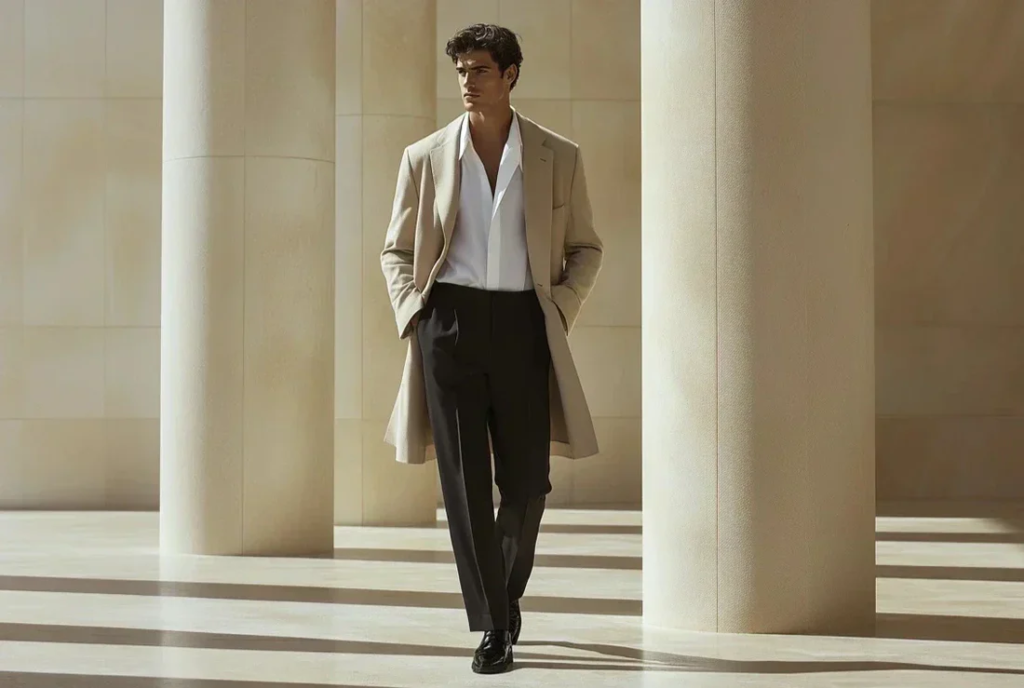
Mass-produced clothing is built to fit a fictional, average mannequin. It is not built to fit you. The single biggest mistake we make is buying an item based solely on the size printed on the tag, assuming that if it buttons up, it fits.
When a garment doesn’t anchor correctly to your skeletal structure, it looks like the clothes are wearing you, rather than the other way around. Pay obsessive attention to your shoulders and your hems. A blazer should frame your shoulders cleanly without spilling over; a pant cuff should gracefully graze the top of your shoe without collapsing into a messy puddle of fabric.
The Professional Cheat Code: Buy clothing that fits the widest part of your body comfortably, and then take it to a local tailor. Spending fifteen dollars to have a waist taken in or a hem shortened will instantly make a fifty-dollar pair of pants look like a five-hundred-dollar custom piece.
The Strategic Palette: Restraint Over Noise
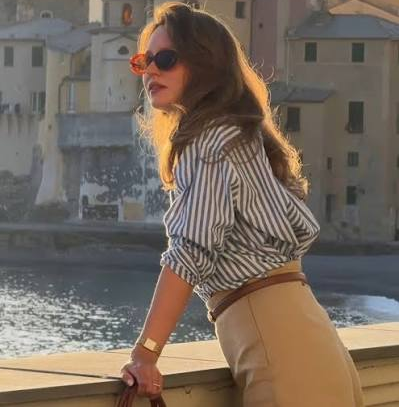
Color holds immense psychological real estate. When your wardrobe is a chaotic jumble of competing patterns and hyper-saturated trends, your brain experiences decision fatigue before you even put your shoes on. The solution isn’t to live a monochromatic, boring existence; it’s to build a reliable foundation.
When you establish a baseline of high-quality neutrals, everything in your closet begins to communicate with everything else. You can get dressed in the dark because the tones naturally harmonize.
Presentation is about the full picture. When your grooming and clothing work together, your overall look becomes much stronger.
Once that canvas is set, an accent color becomes a deliberate exclamation point rather than a loud distraction. A navy wool coat over a charcoal knit looks classic; add a soft olive green scarf, and suddenly the outfit tells a specific, textured story.
A well-styled outfit usually has balance. If one piece is oversized, another piece often works better when it is more fitted. If one item is bold or statement-making, the rest of the outfit often benefits from being more understated. Balance helps the outfit feel thoughtful rather than random.
| The Foundational Anchors | The Emotional Accents | The Operational Rule |
|---|---|---|
| Black, Chalk White, Charcoal, Navy, Espresso, Camel | Sage Green, Crimson, Cobalt, Ochre, Butter Yellow | Keep the canvas neutral; use one singular pop of color to punctuate the look. |
The Anchor Principle: Why Shoes Dictate the Narrative
You can wear a flawless, custom-tailored suit, but if you pair it with scuffed, neglected footwear, the entire illusion collapses. Shoes are the visual anchor of your silhouette. They tell the world exactly how much you care about the final details.
Keeping your footwear in rotation means maintaining them. This doesn’t require a complex setup—just a basic lint cloth for dust, a suede brush, and a leather conditioner to prevent cracking. A clean shoe signals discipline and self-respect, transforming a casual outfit into something completely intentional.
Good grooming does not have to be elaborate. It is often the small habits that matter most. Brushing your hair, keeping your clothes in good condition, and paying attention to personal hygiene can make a noticeable difference. These details show care and attention, which naturally improves how people perceive your style.
The Invisible Work: Maintenance as a Visual Multiplier
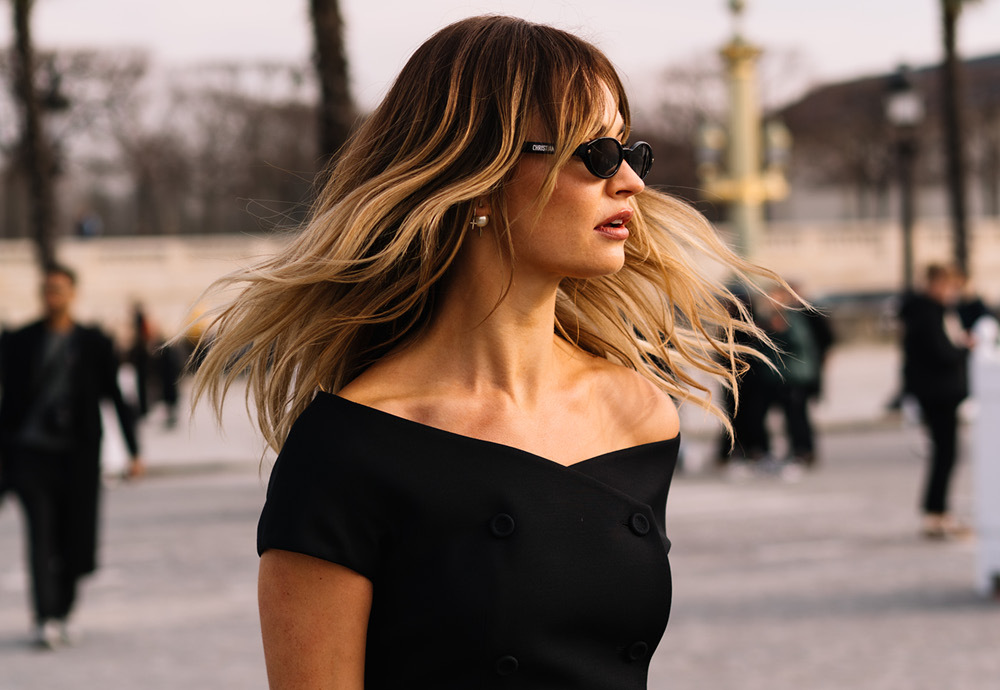
The most under-appreciated element of style has nothing to do with fashion design and everything to do with basic maintenance. Wrinkles, lint, loose threads, and missing buttons are small detritus that quietly broadcast a message of rushing, stress, and disorganization.
When your garments are crisp, clean, and structurally sound, their lines remain unbroken. The fabric drapes the way the designer intended. Taking five minutes to steam a shirt before bed or using a fabric shaver to clear the fuzz off an old knit sweater does more to elevate your aesthetic than buying a brand-new outfit ever could.
Intentional dressing means choosing every part of your outfit with purpose. Nothing feels accidental or rushed. Your clothes work together, your accessories support the look, and your overall appearance feels polished. This does not mean you have to dress formally every day. It simply means your outfit looks like you meant to wear it, not like you threw things on at the last minute.
A simple look often has more impact than an overly complicated one because it feels clearer and more confident.
Proportional Juxtaposition: The Law of Balance
A beautifully styled outfit is essentially a successful negotiation between different shapes and weights. If you wear an incredibly tight top with skinny jeans, you look restricted. If you wear an oversized hoodie with massive, pooling cargo pants, you risk looking like you’re hiding behind fabric.
The human eye craves contrast. If your lower half is voluminous—like a relaxed, wide-leg trouser—balance the equation by wearing a more structured, fitted top layer or tucking in your shirt to define your waist.
If you are wearing a cozy, oversized chunky knit sweater on top, pair it with a streamlined, slim-cut pant. This interplay of proportions creates a dynamic, engaging line that allows the eye to travel smoothly across your frame without getting bogged down in one heavy zone.
Visual Editing: The Power of Less

We often fall into the trap of thinking that styling an outfit means adding things—more jewelry, more layers, a bolder bag, a louder hat. But true sophistication is almost always an exercise in subtraction.
“Before you leave the house, look in the mirror and take one thing off.” — Coco Chanel
Intentional dressing means that every item on your body has a distinct job to do. If you are wearing a striking, architectural watch, you don’t need three competing bracelets on the same wrist. If your coat has a rich, complex texture like herringbone wool, keep your shirt underneath completely clean and unpatterned.
When you allow individual pieces the space to breathe, they gain power. Simplicity isn’t boring; it is highly confident. It tells the world that you don’t need to yell visually to be noticed.
Alignment and the Psychology of Ease
At the end of the day, the ultimate style ingredient cannot be hung on a hanger or stored in a box. It is the complete absence of self-consciousness. If you buy a highly rated, trendy outfit but spend the entire day pulling down the hem, adjusting the neckline, or feeling like you are wearing someone else’s costume, you will look awkward.
Your clothes are meant to be your armor, not your distraction. Choose fabrics that feel good against your skin, shapes that honor your actual daily physical movements, and styles that feel like an honest expression of your inner world. When your wardrobe is aligned with your reality, your posture completely changes. You stand a little straighter, your shoulders drop, you speak with more authority, and you move through your day with an effortless ease. That internal comfort is what people are actually responding to when they say someone has “great style.”
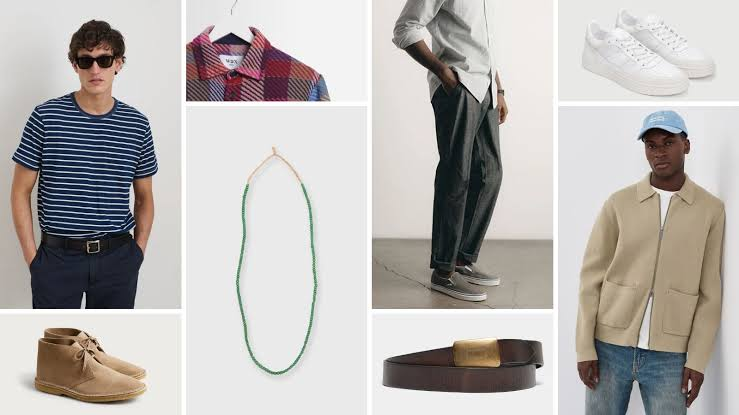
Sometimes people think style means adding more, but often the opposite is true. Simple outfits usually look more elegant when they are done well. Clean lines, good fit, and thoughtful styling can make even basic clothing look expensive and stylish.
Intentional dressing means choosing every part of your outfit with purpose. Nothing feels accidental or rushed. Your clothes work together, your accessories support the look, and your overall appearance feels polished. This does not mean you have to dress formally every day. It simply means your outfit looks like you meant to wear it, not like you threw things on at the last minute.
A simple look often has more impact than an overly complicated one because it feels clearer and more confident.
FAQ’S
1. How can I instantly improve my personal style?
Choose well-fitted clothes, wear clean shoes, and add simple accessories for a polished look.
2. Do I need a large wardrobe to look stylish?
No, a few versatile, high-quality pieces can create many fashionable outfits.
3. What are the essential wardrobe basics everyone should own?
A white shirt, well-fitted jeans, a blazer, neutral T-shirts, classic sneakers, and comfortable shoes are great essentials.
4. How do I find my personal style?
Experiment with different outfits, wear what suits your personality, and choose pieces that make you feel confident.
5. Can accessories make a simple outfit look better?
Yes, items like watches, belts, scarves, jewelry, and handbags can instantly elevate a simple outfit.