

We love a good movie montage. You know the one: the main character decides to change their Lifestyle , and in a three-minute sequence set to an upbeat soundtrack, they suddenly start waking up at 5:00 AM, drinking swamp-green juices, running marathons, and organizing their entire house.
But in the real world, trying to overhaul your entire existence overnight is a fast track to burnout by Thursday afternoon.
Real, lasting change doesn’t require a dramatic, cinematic transformation. It is built on small, almost embarrassingly simple daily choices. It’s about the micro-habits—how you talk to yourself when you mess up, what you do with the first ten minutes of your morning, and how you set boundaries with your phone. Over time, these tiny shifts compound into a completely different reality.
1. The Morning Ritual: Designing an Intentional Daily Lifestyle
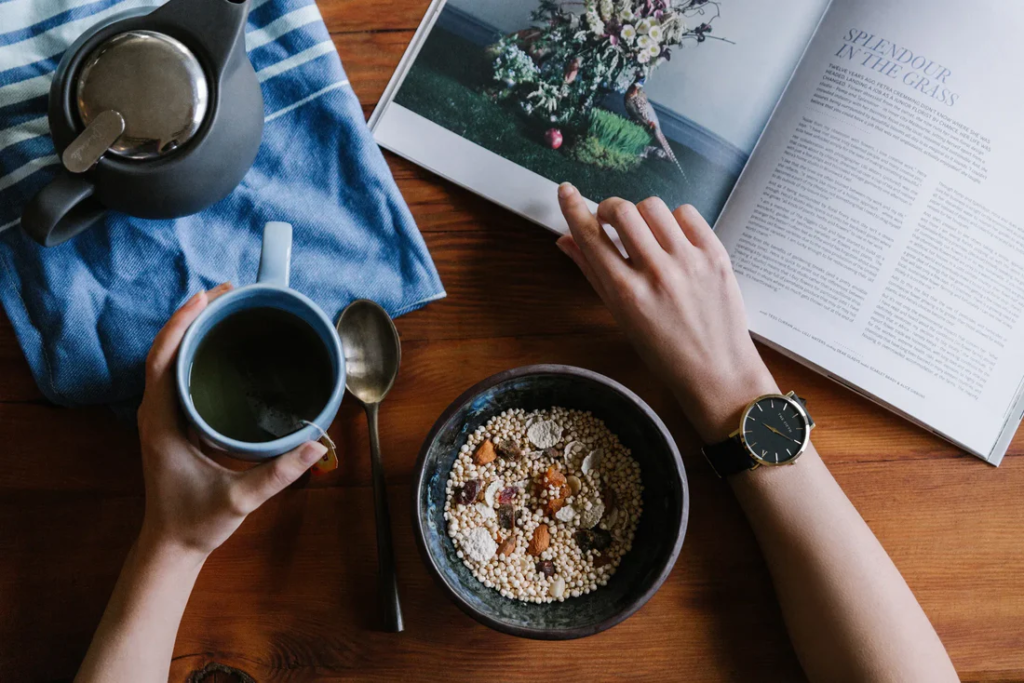
How you spend the first thirty minutes of your day sets the emotional tone for the next twelve hours. Most of us wake up to a blaring alarm, immediately grab our phones, and flood our brains with work emails, stressful news, or curated social media feeds before our eyes are even fully open. We start our day in a state of reactive panic.
You do not need a three-hour, multi-step morning routine to fix this. Just give yourself a ten-minute buffer of sanity:
- The No-Phone Rule: Keep your phone out of arm’s reach for the first 15 minutes after waking up. Let your brain chemistry warm up naturally.
- The Hydration Habit: Drink a full glass of water before you touch a drop of coffee. Your body has just spent eight hours dehydrating; give it some fuel.
- A Moment of Pause: Sit quietly, stretch your arms, or write down just one thing you want to focus on today.
2. Eating for Energy: A Realistic, Nutrient-Rich Food Lifestyle
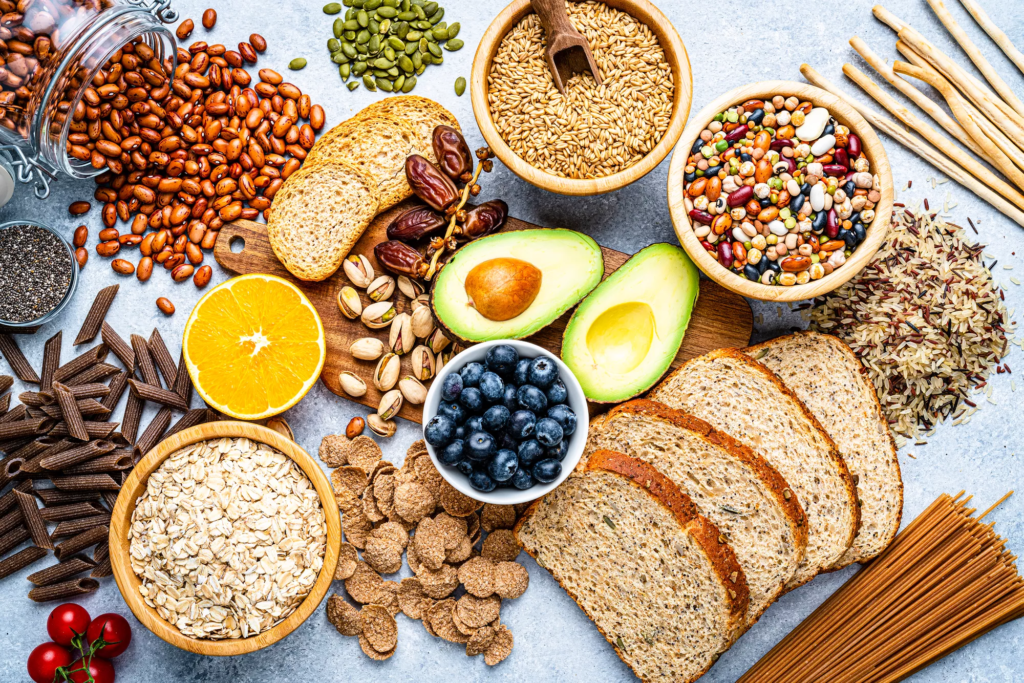
The wellness industry has made eating feel incredibly complicated, dividing foods into “good” and “bad” and pushing highly restrictive diets that make social events miserable. Let’s simplify: healthy eating is about addition, not subtraction.
Instead of obsessing over what you need to cut out, focus on what you can add to your plate to make it more nutrient-dense.
Cooking at home even one or two more nights a week gives you total control over what goes into your body, stabilizes your energy levels, and stops the mid-afternoon brain fog.
3. Finding Your Groove: An Active Lifestyle That Doesn’t Feel Like Punishment

If you hate running, please stop forcing yourself to run. Exercise should not be a chore you have to suffer through to pay for your meals. If physical activity feels like a punishment, you will eventually find an excuse to stop doing it.
Whether it’s a fast-paced walk through your local park, a weekend bike ride, a pickup basketball game, or a living room yoga session, the best exercise is simply the one you actually show up for.
During deep sleep, your brain physically flushes out metabolic waste, processes the day’s emotional stress, and repairs cellular damage.
The secret to consistency is finding movement that actually brings you joy.
| The Grind Mindset (Unsustainable) | The Movement Mindset (Sustainable) |
| Forcing yourself through painful, boring gym workouts. | Finding activities that make you forget you are exercising. |
| Viewing exercise strictly as a tool for weight management. | Moving to improve mental clarity, sleep, and mood. |
| Working out to exhaustion and feeling miserable. | Leaving a workout feeling energized and capable. |
4. Reclaiming Your Nights: The Sleep-First Lifestyle
We live in a culture that strangely glorifies sleep deprivation, treating exhaustion like a badge of honor. But trying to run a high-performing life on five hours of sleep is like trying to drive a car with no oil—eventually, the engine is going to seize.
To transform your sleep quality, try creating a wind-down bridge between your hectic day and bedtime. Dim the overhead lights an hour before bed, swap your screen for a physical book, and keep your bedroom cool and dark. When you treat sleep as a non-negotiable priority rather than an afterthought, your patience, focus, and emotional resilience will skyrocket.
5. Reclaiming Your Attention: Navigating a Digital Lifestyle
Our phones are brilliant tools, but they are also specifically engineered to hijack our attention span and keep us in a state of constant comparison. Endless scrolling through other people’s highlight reels is a quiet, steady drain on our mental peace.
- Set Digital Boundaries: Establish screen-free zones in your life. Try keeping the dinner table and the bedroom completely phone-free.
- The App Cleanse: Delete apps that leave you feeling anxious, insecure, or drained.
- Protect Your Focus: Use “Do Not Disturb” modes during deep work or family time so you aren’t constantly interrupted by non-urgent notifications.
6. The Gentle Mindset: Embracing a Balanced Lifestyle
Perhaps the most important shift you can make is letting go of the toxic expectation of perfection.

You will have days when you eat fast food, skip your workout, sleep poorly, and spend too much time on your phone. That isn’t a failure—that is just being a human living in the modern world.
The goal isn’t to be flawless 100% of the time. The goal is simply to let the positive choices outnumber the negative ones over the course of a week, a month, and a year. Be kind to yourself, enjoy the messy journey of growth, and remember that small, consistent steps will always take you further than a desperate sprint.
FAQ’S
1. What are the easiest lifestyle changes to start with?
Start by drinking more water, eating balanced meals, exercising regularly, and getting enough sleep.
2. How can small lifestyle changes improve my life?
Small daily habits can boost your health, reduce stress, increase energy, and improve overall well-being.
3. How long does it take to see results from lifestyle changes?
You may notice positive changes within a few weeks if you stay consistent.
4. Why is a balanced lifestyle important?
A balanced lifestyle supports better physical health, mental wellness, and long-term happiness.
5. Can anyone build healthier lifestyle habits?
Yes, anyone can create lasting healthy habits by making gradual, realistic changes to their daily routine.