

We’ve all fallen into the trap of believing the big Lifestyle lie about self-improvement: that if we want a better life, we have to burn our current one to the ground and start over by Monday. We tell ourselves we need to become that person who wakes up at 5:00 AM, drinks a green smoothie that tastes like grass, works out for two hours, and completely reorganizes their entire house before the sun comes up.
But let’s be honest. That extreme approach usually lasts about four days before we find ourselves exhausted, face-down in a box of pizza, feeling like a failure.
Real, lasting change doesn’t happen in a massive, dramatic leap. It happens quietly, in the tiny, almost invisible choices we make on an ordinary Tuesday. Your lifestyle isn’t a grand statement; it’s just the accumulation of your daily repetitions. If you want a better life, you don’t need a total identity makeover. You just need to tweak the script of your daily routine.
Ease Into Your Morning
How you spend the first twenty minutes of your day sets the emotional tone for the next twelve hours. If your alarm blasts, and you instantly grab your phone—flooding your brain with work emails, stressful news headlines, and the curated, perfect lives of strangers on social media—you are starting your day in a defensive, reactive state. You’re already stressed, and you haven’t even brushed your teeth yet.
You don’t need a grueling, multi-step morning ritual. Just give yourself a ten-minute buffer between waking up and entering the digital world. Drink a glass of water to wake up your organs. Do a quick, lazy stretch. Sit with your coffee and just look out the window. Give your mind a moment to arrive in the room before you demand it to start producing.
Crowding Out the Bad Food Choices

Healthy eating has been completely ruined by diet culture, which tries to convince us that food is either “good” or “evil.” True nutrition isn’t about deprivation, starvation, or living off salads until you want to scream. When you focus entirely on what you can’t have, your brain naturally craves it more.
Instead of trying to subtract things from your diet, focus on crowding them out. Don’t worry about banning cookies; just focus on adding an extra handful of spinach to your dinner, or eating an apple with your lunch. Fill your plate with real, whole foods first—lean proteins, colorful veggies, grains that actually fill you up. When you focus on nourishing your body rather than punishing it, your cravings naturally shift, and you’ll find you have less room (and desire) for the ultra-processed stuff anyway.
Stop Exercising, Start Moving
The fitness industry has made us believe that if a workout isn’t an absolute suffer-fest that leaves you sweating through your clothes and sore for three days, it doesn’t count. That’s completely wrong. The best exercise is quite simply the one you will actually do consistently because you don’t hate it.
“Your body doesn’t know the difference between a high-end gym membership and a spontaneous, high-energy dance session in your kitchen. It just knows movement.”
If the gym feels like a chore, don’t go. Walk your dog an extra mile, put on some music and clean your room aggressively, take the stairs, or do some gentle yoga while watching TV. Physical activity shouldn’t be a punishment for what you ate; it should be a celebration of what your body can do. Just move.
Protect Your Sleep Like Your Life Depends On It

We treat sleep deprivation like a badge of honor, bragging about how we can function on five hours of rest and a massive cup of coffee. But the truth is, sleep is the absolute foundation of your mental, emotional, and physical health. When you sleep poorly, your brain fog rolls in, your patience drops to zero, and your body actively craves sugar and simple carbohydrates for quick energy.
Think of your bedtime routine as an airplane runway—you can’t just drop out of the sky and land instantly; you need space to decelerate. Turn off the bright overhead lights an hour before bed. Put your phone across the room so you aren’t tempted to do a midnight scroll. Give your nervous system a clear signal that the day is over and it is safe to rest.
Creating Space in a Noisy World
We live in the loudest era of human history. We are constantly bombarded by notifications, pings, ads, and demands on our attention. It’s no wonder our baseline anxiety levels are through the roof. Managing stress isn’t about escaping to a tropical island; it’s about building small pockets of stillness into your actual, messy life.
You don’t need to sit cross-legged on the floor for an hour clearing your mind. Stress management can look like taking three deep, slow breaths before you answer a difficult phone call. It can look like stepping outside for five minutes just to feel the sun on your face, or writing down everything bouncing around in your head onto a piece of scrap paper just to get it out. These small pauses reset your nervous system and keep you from operating in a constant state of fight-or-flight.
Build Habits by Stacking Them

The reason most new habits fail is that we rely entirely on willpower. Willpower is a finite resource; it runs out when you are tired, stressed, or hungry. If you want a habit to stick, you have to make it as easy as possible to execute.
The easiest way to do this is a psychological trick called habit stacking. You take a new habit you want to build and anchor it directly to an old habit you already do automatically every single day.
By hitching the new behavior to an established neural pathway in your brain, you eliminate the friction of needing to remember to do it.
Reclaim Your Attention from Your Phone
Your smartphone is a miracle of modern technology, but it is also a slot machine that you keep in your pocket. The apps on your phone are specifically engineered by teams of behavioral scientists to steal your attention and keep you hooked for as long as possible.
You don’t need to go completely off the grid, but you do need to set human boundaries. Try making your dinner table a phone-free zone so you can actually look the people you live with in the eye. Turn off non-human notifications—if a real person didn’t send you a message, it has no right to buzz your pocket. When you reclaim your attention from the screen, you suddenly discover hours of free time you thought you didn’t have for reading, hobbies, or just resting.
Protect Your Social Circle

Human beings are tribal creatures; we are fundamentally wired for connection. You can eat perfectly and exercise every day, but if you are deeply lonely or surrounded by toxic, draining relationships, your health will suffer.
| Relationship Type | Cultural Impact on Life | Actionable Step |
|---|---|---|
| The Energy Drains | Constant complaining, one-sided conversations, leaves you feeling depleted. | Set firm boundaries; limit casual hanging out. |
| The Anchors | Low-maintenance, high-trust friendships where you can be completely yourself. | Schedule a regular, distraction-free phone call or visit. |
| The Growth Partners | People who inspire you, celebrate your wins, and gently call you out. | Check in, share your goals, and ask how to support theirs. |
In our hyper-connected world, we have hundreds of digital “friends” but very few people we can call at 3:00 AM when our life falls apart. Prioritize quality over quantity. Put your phone away when you are out with a friend. Listen to hear them, not just to reply. Nourish the relationships that make you feel safe, seen, and supported.
Consistency Beats Perfection Every Single Time
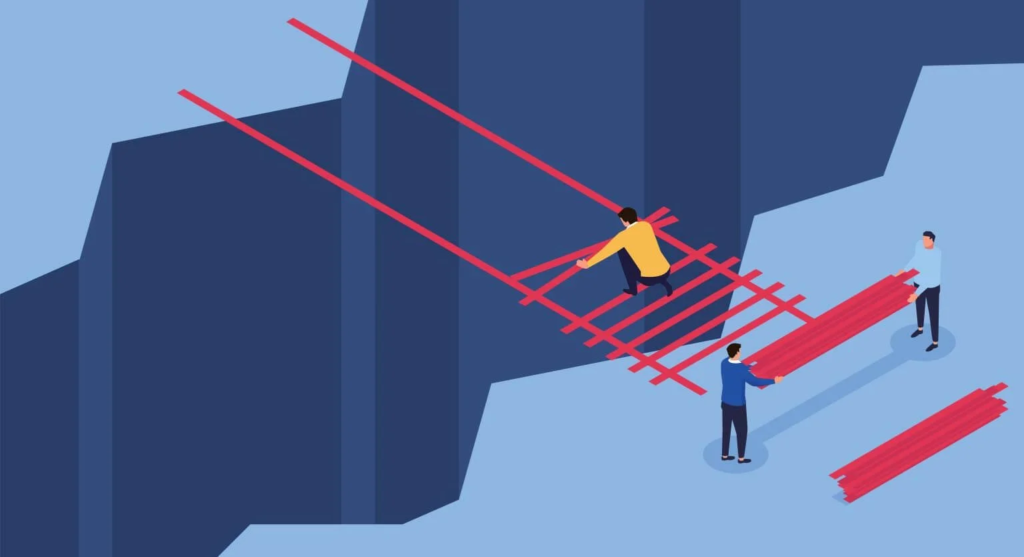
The single biggest reason people abandon their goals is the All-or-Nothing Mindset. We think that if we miss a workout, eat a piece of cake, or have a chaotic day where we don’t hit our goals, the whole week is ruined, so we might as well give up entirely.
That is like getting a flat tire on your car and then getting out to slash the other three tires out of frustration.
Progress is not a straight, upward line. It is a messy, zigzag journey. Missing one day is just an anomaly; missing two days in a row is the start of a new, bad habit. Be forgiving of your human slip-ups. Celebrate the fact that you drank an extra glass of water today, even if you didn’t go for that walk. Forgive yourself, treat yourself with the patience you’d show a close friend, and just focus on making the next best decision. You don’t have to be perfect to build a beautiful life—you just have to keep showing up.
FAQ’S
1. What is the first step to creating a better lifestyle?
Start by making one small positive change, such as improving your diet, sleep, or daily routine.
2. How can daily habits improve my lifestyle?
Consistent healthy habits boost your physical health, mental well-being, and overall happiness over time.
3. Why is consistency important for a healthy lifestyle?
Small actions done regularly create lasting results and are easier to maintain than drastic changes.
4. How can I reduce stress in my daily life?
Practice mindfulness, exercise regularly, get enough sleep, and take short breaks throughout the day.
5. Can simple lifestyle changes make a big difference?
Yes, simple changes like eating healthier, staying active, and maintaining a positive routine can significantly improve your quality of life.