

At some point, almost everyone reaches a moment where they look at their daily routine and Self-Growth think, “There has to be a better way to live this.” It usually isn’t about chasing a corporate promotion or making an extravagant amount of money. More often, the feeling is much quieter: You want to handle stress a bit better, feel comfortable in your own skin, manage your hours instead of watching them slip away, or just wake up without that heavy sense of rush.
That subtle shift in perspective is where real self-growth begins. It’s not about burning down your current life and rebuilding yourself into an entirely new person. Real growth is simply about becoming aware of who you already are—leaning into your strengths, acknowledging where you get stuck, and making small, deliberate choices that give your days a little more meaning.
A common trap is assuming personal transformation demands sweeping life overhauls—like waking up at 4:00 AM, reading a book a day, and completely revamping your diet overnight. In reality, massive sudden changes usually burn out quickly. Real, lasting momentum comes from quiet, unglamorous daily habits that slowly add up over time.
Understanding the Reality of Personal Growth

Self-growth isn’t a finish line you cross, nor is it a checklist where you eventually tick off “perfection.” It’s an ongoing process of learning, adjusting, and being flexible with yourself when things don’t go according to plan.
When you let go of the idea that you need to “fix” yourself immediately, the pressure vanishes.
You stop comparing your chapter three to someone else’s chapter twenty, realizing the only baseline that matters is who you were yesterday.
Step 1: Start with Brutally Honest Self-Reflection
You can’t map out where you want to go until you get clear on where you actually are. Self-reflection isn’t about beating yourself up over past mistakes; it’s about gathering honest data about your life without the drama.
Questions Worth Asking Yourself:
- Energy Audit: What activities or people leave you feeling energized, and what leaves you drained?
- Friction Points: Where do you consistently feel frustrated or stuck during the week?
- Habit Triggers: What habits are you repeating out of sheer boredom or stress rather than conscious choice?
Taking ten minutes to scribble your thoughts in a notebook gives your mind room to process. Once you put feelings onto paper, vague anxieties turn into concrete things you can actually work on.
Step 2: Set Intentional, Small-Scale Goals
Broad goals like “I want to get healthy” or “I need to be more productive” are too vague to be useful. When a goal lacks clear boundaries, your brain treats it like a vague chore and pushes it aside.
Break bigger ambitions down until they feel so manageable it’s almost impossible to say no. Achieving small, repeated wins builds self-trust—and self-trust is the real engine behind personal confidence.
Step 3: Build a Low-Friction Daily Routine
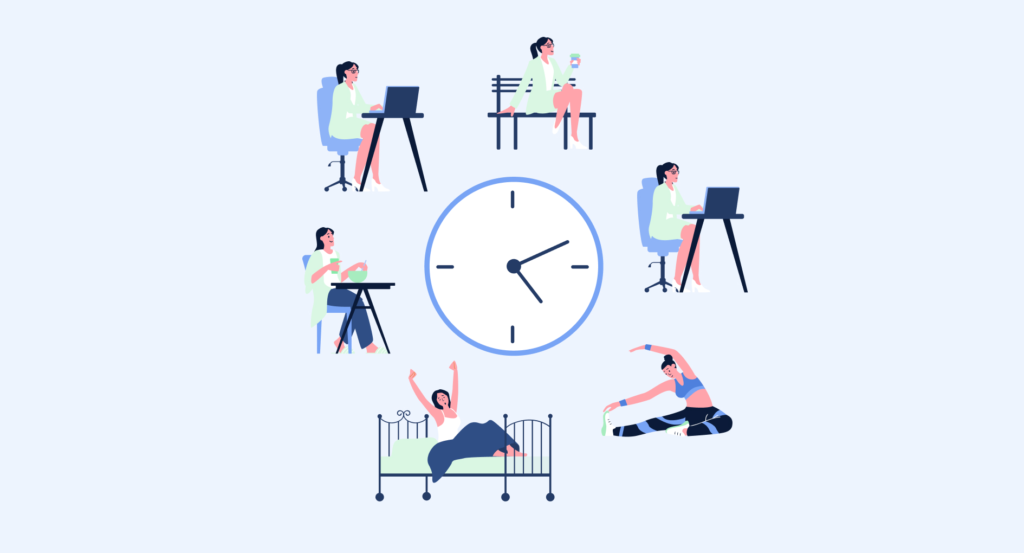
Your habits shape your daily reality far more than willpower ever will. Willpower is a limited resource that gets depleted as the day goes on, while a simple, reliable routine carries you forward effortlessly.
Pick just one new habit to focus on at a time. Anchor it to something you already do every day—like drinking your morning coffee or brushing your teeth. Once that new habit feels like second nature, you can easily layer another one on top.
Step 4: Protect Your Physical and Mental Energy
It’s almost impossible to focus on personal growth when you’re running on empty. Physical exhaustion and mental burnout will derail your best intentions every single time.
- Prioritize Sleep: Quality sleep isn’t a luxury; it’s the foundation for emotional stability, focus, and clear decision-making.
- Move Every Day: You don’t need intense gym sessions to see benefits. A brisk walk, stretching, or light movement helps clear mental fog and lowers stress hormones.
- Manage Input: Be mindful of what you consume—not just food, but the news, social media feeds, and noisy digital environments that drain your focus.
Step 5: Embrace the Discomfort of Being New
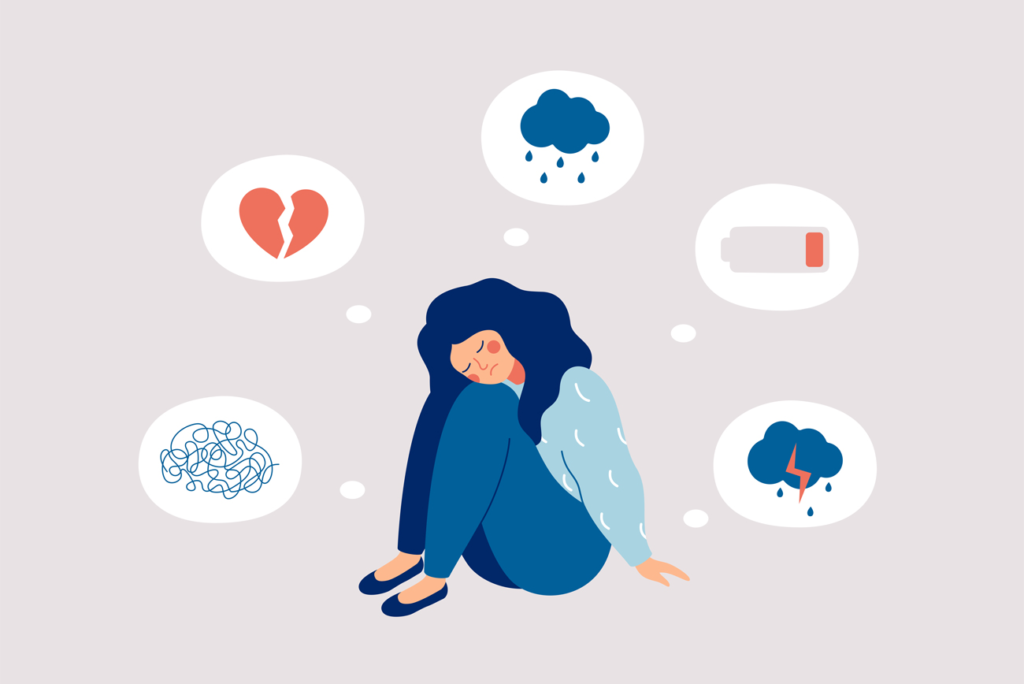
Growth and total comfort rarely exist in the same room. Stepping out of your routine—whether that means taking a class, speaking up in a meeting, or learning a skill from scratch—feels uncomfortable because your brain naturally prefers predictability.
Feeling awkward doesn’t mean you’re doing something wrong; it usually means you’re learning something new. The more comfortable you become with that temporary awkwardness, the faster your world expands.
Step 6: Reframing Setbacks as Simple Data
Setbacks are guaranteed—they’re just part of being human. The difference between people who keep growing and those who get stuck isn’t a lack of failure; it’s how they interpret those stumbles.
Instead of letting a missed workout or a bad day spin into an internal guilt trip, treat it like neutral data. Ask yourself: “What tripped me up, and how can I adjust the setup for next time?” When you trade self-criticism for basic curiosity, setbacks lose their power to stop you.
The Long-Term View

Personal development isn’t a project with an end date—it’s simply the way you choose to live your life. There will be high-energy seasons where everything clicks, and quieter seasons where simply maintaining your basic routine is a big win. Both are completely fine.
Be patient with your timeline. Give yourself credit for the quiet progress nobody else sees, keep your daily habits simple, and remember that steady, modest effort added up over months and years will completely transform your life.