

There is an undeniable, quiet friction to modern Lifestyle existence. Most of us spend our days moving at a relentless pace—responding to pinging notifications, racing against shifting deadlines, and attempting to keep up with an ever-expanding list of personal and professional obligations. In this environment, “taking care of oneself” frequently gets pushed to the absolute bottom of the priority list.
We often treat our bodies and minds like machines, expecting them to run indefinitely on minimal sleep, processed convenience food, and constant mental stimulation.
Yet, living a truly healthy and balanced life is not about strict discipline or pursuing an impossible standard of perfection. It is an ongoing, gentle art—a continuous series of small recalibrations that bring your physical health, mental clarity, emotional ties, and daily habits back into alignment.
Redefining Wholeness: Moving Beyond the Basics

We have been conditioned to view health through a remarkably narrow lens: calories consumed versus calories burned, or the number of miles logged on a treadmill. But true well-being is vast and multi-dimensional. It encompasses how resting your nervous system feels at night, how present you are when speaking to a loved one, and whether you give yourself space to simply be without the pressure to produce something.
Real balance looks entirely different from one person to the next, and even from one week to the next for the same person:
- The Active Season: For someone in a demanding phase of life, balance might mean taking a brisk fifteen-minute walk outdoors at lunch and turning off screens an hour before bed.
- The Quiet Season: For someone recovering from burnout, balance might require turning down social invitations, cooking simple soups at home, and prioritizing nine hours of uninterrupted sleep.
- The Flexible Mindset: The moment we view health as an all-or-nothing proposition, we invite shame when life inevitably disrupts our plans. Balance is not a rigid tightrope walk; it is a fluid, adaptive dance.
Nourishing the Engine: Real Food and Mindful Movement
Food is far more than mere biological fuel; it is culture, pleasure, memory, and medicine. Yet, modern food culture often swings wildly between hyper-processed convenience and agonizingly strict dietary dogmas.
A healthier approach begins with stripping away the guilt and returning to simplicity:
The Table as a Sanctuary

Instead of obsessing over every ingredient, aim to fill your plate mostly with things that grew directly from the earth or were minimally processed: crisp greens, vibrant root vegetables, wholesome grains, clean proteins, and clear water.
Cook at home when you can—not as a chore, but as an intentional act of self-care.
Personal interests bring joy, creativity, and relaxation into everyday life. Whether you enjoy painting, photography, cooking, gardening, writing, music, or learning new skills, hobbies provide valuable opportunities to recharge.
Smell the garlic sizzling in olive oil; feel the weight of fresh produce under your knife. And when you do enjoy a rich dessert or a feast with friends, enjoy it fully, without a side order of regret.
Movement for Mind and Soul
Exercise should never feel like a punishment for existing or for what you ate the night before. If pounding the pavement on a treadmill feels soul-crushing, don’t do it. Find a form of movement that feels natural and rejuvenating:
- A long evening walk through a quiet neighborhood while listening to the wind in the trees.
- A weekend morning spent digging and planting in a garden.
- Moving through a slow, rhythmic stretch on a soft rug in your living room.
Movement should be a celebration of what your body is capable of doing right now, not a harsh penalty for its perceived flaws.
The Unsung Priority: Rest and Digital Boundaries
In a world that glorifies constant hustle, sleep is frequently treated as a weakness or a luxury we can ill afford. In truth, quality sleep is the foundation upon which all other aspects of health are constructed. When you consistently cut sleep short, your brain struggles to clear metabolic waste, your stress hormones remain elevated, and your capacity for patience and rational thought evaporates.
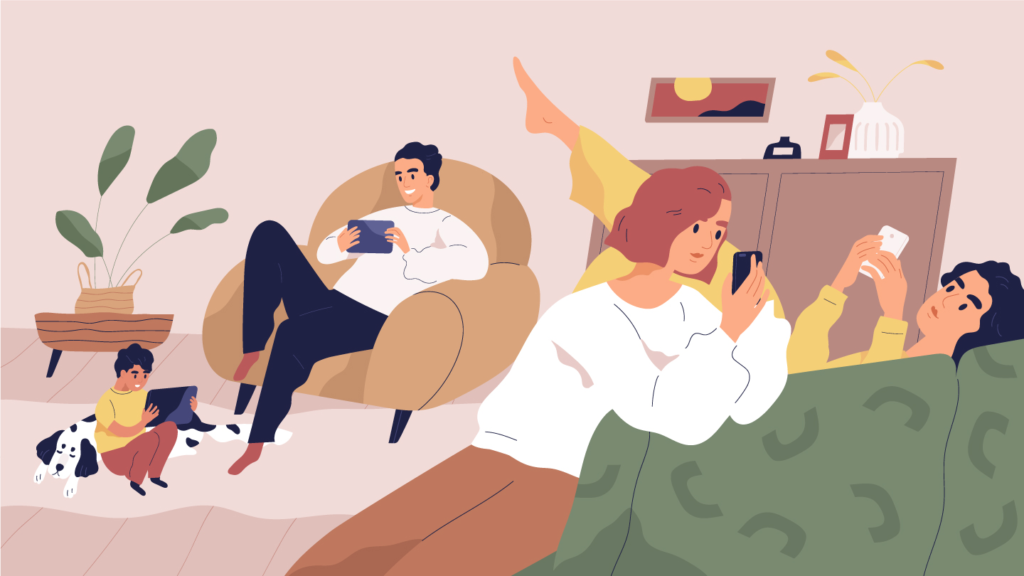
Unplugging to Reclaim Attention
Equally critical to physical rest is cognitive rest. We were never designed to process an uninterrupted stream of global news, targeted advertisements, and curated highlight reels from thousands of individuals twenty-four hours a day.
- The Constant Buzz: Constant digital stimulation leaves the nervous system perpetually on edge, giving rise to a quiet, ambient anxiety.
- Intentional Disconnection: Set deliberate boundaries with your devices. Designate the first thirty minutes of your morning and the last hour of your evening as screen-free zones.
- Rediscovering Solitude: Leave your phone in another room while having dinner or taking a walk. Allow your eyes to rest on actual horizons rather than glowing blue pixels.
Cultivating the Inner Landscape: Emotional Resilience
Mental health is not the absence of stress or difficulty; it is the capacity to navigate life’s inevitable storms without completely losing your footing. Just as we care for our physical bodies through hygiene and nutrition, our emotional selves require daily maintenance.
The Practice of Quiet Noticing

One of the most effective tools for mental grounding is cultivating a habit of simple appreciation. It costs nothing and requires no elaborate equipment. It is the practice of consciously noticing three small, pleasant things each day:
- The rich aroma of fresh coffee filling the kitchen in the morning.
- The feeling of warm sunlight breaking through cloud cover on a cool afternoon.
- The sound of an old friend’s laugh echoing over a phone call.
When you intentionally direct your mind toward these micro-moments, you rewire your neurological baseline, shifting away from a state of hyper-vigilance and toward one of quiet contentment.
Time, Space, and the Art of Saying “No”
One of the greatest obstacles to living a balanced life is an overcommitted schedule. We often say “yes” to requests out of obligation, fear of disappointing others, or a subconscious belief that being busy equals being important. The result is a calendar crammed so full of obligations that there is no room left for breathing, let alone living.
Learning to set kind, firm boundaries is an act of profound self-respect. Protecting your time is not selfish; it is the only way to ensure you have something meaningful left to offer the world.
When you say “no” to a commitment that drains you, you are saying “yes” to your own health, your family’s peace, and the space required to recharge your spirit.
The Small Steps That Build a Lifetime
If you feel overwhelmed by the prospect of changing your lifestyle, remember this: you do not need to transform everything overnight. Radical overhauls rarely last. Lasting change is forged in the quiet fire of micro-habits—small, seemingly insignificant choices repeated consistently over weeks, months, and years.

Start small:
- Drink an extra glass of water as soon as you wake up.
- Step outside for five minutes at noon to look at the sky.
- Go to sleep twenty minutes earlier tonight.
- Call a friend just to hear their voice, without any underlying agenda.
These small acts of care are not grand or dramatic, but stacked upon one another, they create a life that feels authentic, sustainable, and deeply nourishing. You don’t need to be perfect; you just need to keep returning to what makes you feel whole.
FAQ’S
1. What is a healthy and balanced lifestyle?
A healthy and balanced lifestyle includes good nutrition, regular exercise, quality sleep, and mental well-being.
2. Why is a balanced lifestyle important?
It helps improve physical health, reduces stress, and enhances overall happiness.
3. How can I start living a healthier lifestyle?
Start with small habits like eating nutritious foods, staying active, and getting enough sleep.
4. How much exercise is recommended for a healthy lifestyle?
Aim for at least 150 minutes of moderate physical activity each week.
5. Can small daily habits improve my lifestyle?
Yes, consistent small habits can lead to significant long-term improvements in health and well-being.