
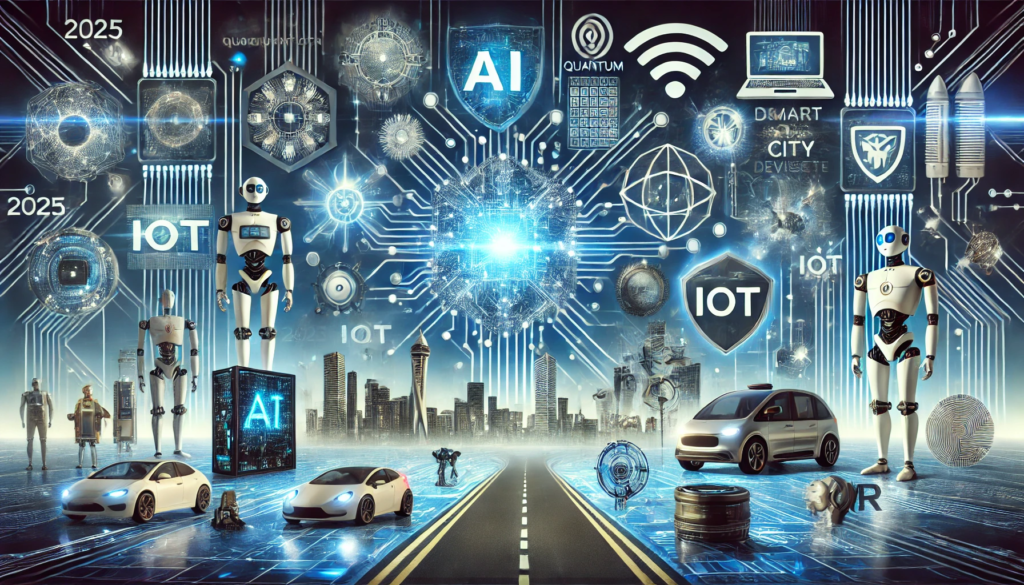
There is a subtle, unspoken rhythm Trends to the way the world shifts beneath our feet. We rarely notice it in the moment; instead, we go to sleep one night managing our lives through paper notebooks, physical office cubicles, and cash transactions, and wake up a few years later relying on algorithmic assistants, decentralized workforces, and biometric payments. The transition isn’t always marked by dramatic, sci-fi style cinematic moments. More often, it happens quietly, integrated bit by bit into our morning routines, our career choices, and our kitchen counters until the groundbreaking becomes the mundane.
We find ourselves navigating a period defined by an unusual convergence of technological acceleration, environmental reckoning, and a fundamental re-evaluation of what human beings actually want out of their work and daily lives. The forces driving this shift are not isolated developments. They are interconnected threads in a much larger tapestry. Artificial intelligence feeds into remote work, which reshaping urban design, which influences sustainability, which alters consumer psychology. To make sense of where we are going, we have to look past the surface-level buzzwords and examine the structural, psychological, and practical shifts remaking our world.
The Co-Pilot Era: Demystifying Artificial Intelligence
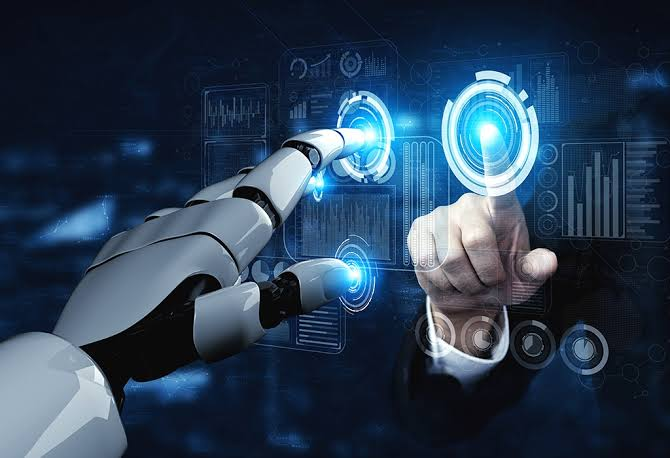
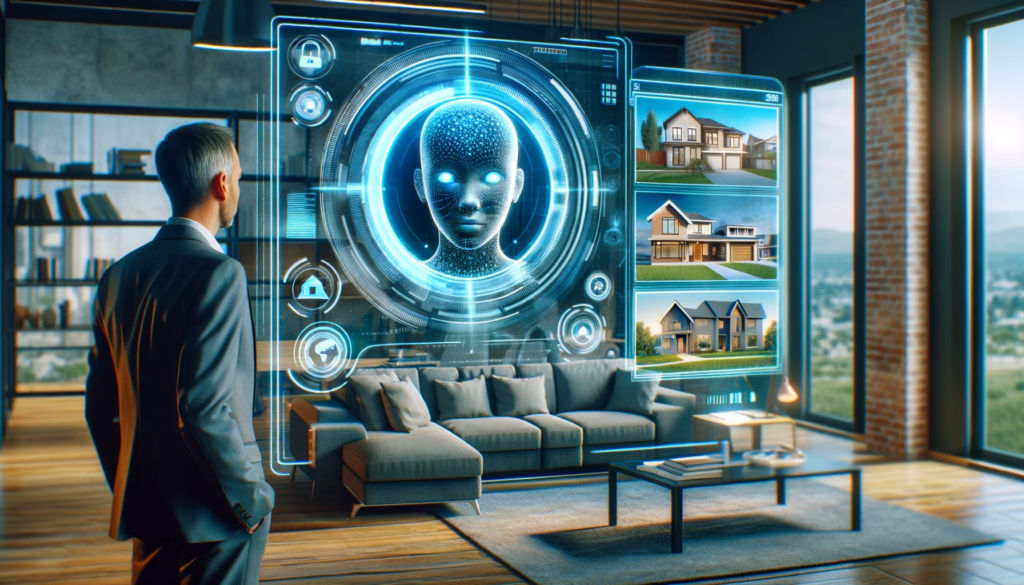
For decades, popular culture primed us to view artificial intelligence through a lens of existential dramatic contrast: either a utopian solution to all human suffering or a cold, mechanical force coming to render human effort obsolete. The reality unfolding in offices, studios, and homes is far more grounded, nuanced, and instantly practical. AI has dropped its sci-fi aura and become something much more like electricity or spreadsheet software—an invisible, omnipresent infrastructure powering everyday cognitive tasks.
We are moving away from treating AI as an novelty or a standalone destination and toward integrating it as a persistent, ambient partner.
The Shift from Creation to Curation
When software can draft functional code, compose basic prose, analyze dense financial spreadsheets, or generate design mockups in seconds, the primary human skill value undergoes a radical transformation.
- The Old Skill Metric: Raw output volume, rote memorization, and manual execution speed.
- The New Skill Metric: Contextual judgment, prompt architecture, critical editing, and high-level strategy.
Rather than replacing human workers outright, these platforms operate as cognitive ex-suits. A solo software developer can now build applications that previously required a team of five; a local bakery owner can run data-driven marketing campaigns that once called for an outside agency. The bottleneck is no longer how to build or write, but knowing what is worth building or writing in the first place.
The Spatial Decoupling of Work and Life
The emergency pivot to remote work years ago was an uncontrolled experiment. What we are witnessing now is the mature, intentional consolidation of that pivot: the permanent decoupling of professional output from geographic location.
The corporate office is no longer the default engine of productivity; it has been downgraded to one tool among many in an employee’s toolkit. This shift has blown open the rigid, industrial-era concept of the 9-to-5 workday and replaced it with asynchronous operations.
The Cultural Impact of the Fractional Life
When work stops dictating where you must sit, it stops dictating how you structure your entire existence. This has triggered secondary and tertiary ripples throughout society:
- Urban Micro-Migrations: Professionals are leaving dense, high-cost metropolitan centers in favor of mid-sized towns, coastal regions, or rural communities, redistributing economic capital outside traditional tech and finance hubs.
- The Death of Presence Metrics: Managers can no longer measure an employee’s value by whether their coat is draped over a chair at 8:30 AM. Performance evaluation is shifting toward explicit deliverables, written clarity, and measurable impact.
- The Rise of the Poly-Career: With greater control over their schedules, workers are increasingly diversifying their income streams—combining a primary flexible role with consulting, digital product sales, or passion-driven micro-businesses.
Pragmatic Sustainability: From Greenwashing to Circularity
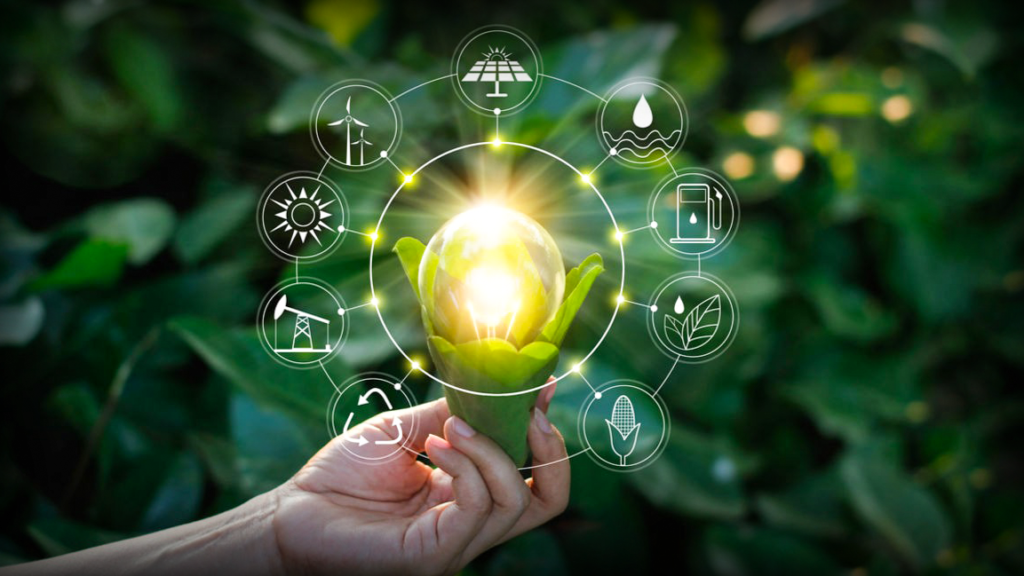
Environmental consciousness has undergone a major reality check. The era of vague corporate platitudes, symbolic paper straws, and performative “green” marketing campaigns has burned out under consumer skepticism and regulatory pressure. In its place is a hard-nosed, pragmatic approach to sustainability driven by supply chain realities, resource scarcity, and material science.
Consumers no longer view eco-friendly products as a niche, high-priced indulgence for the wealthy. They view sustainability as a foundational quality metric—on par with safety, durability, and fair pricing.
The Rise of the Industrial Loop
The focus has shifted from managing end-of-life waste to re-engineering systems from the ground up:
- Modular Electronics and Apparel: Companies are building products designed to be taken apart, repaired, and upgraded rather than discarded. Phone manufacturers are offering self-repair kits; fashion houses are integrating buy-back and repair programs directly into their storefronts.
- Traceability as a Feature: Blockchains and digital product passports are making supply chains transparent. A customer can scan a tag on a sweater or a coffee bag and trace its journey back through every processing facility to the exact farm where the raw materials were harvested.
- Energy Decoupling: Smart home batteries, residential solar systems, and local microgrids are transforming consumers from passive utility customers into active “prosumers” who generate, store, and trade their own clean energy.
The Continuous Health Stack: Preventive Longevity
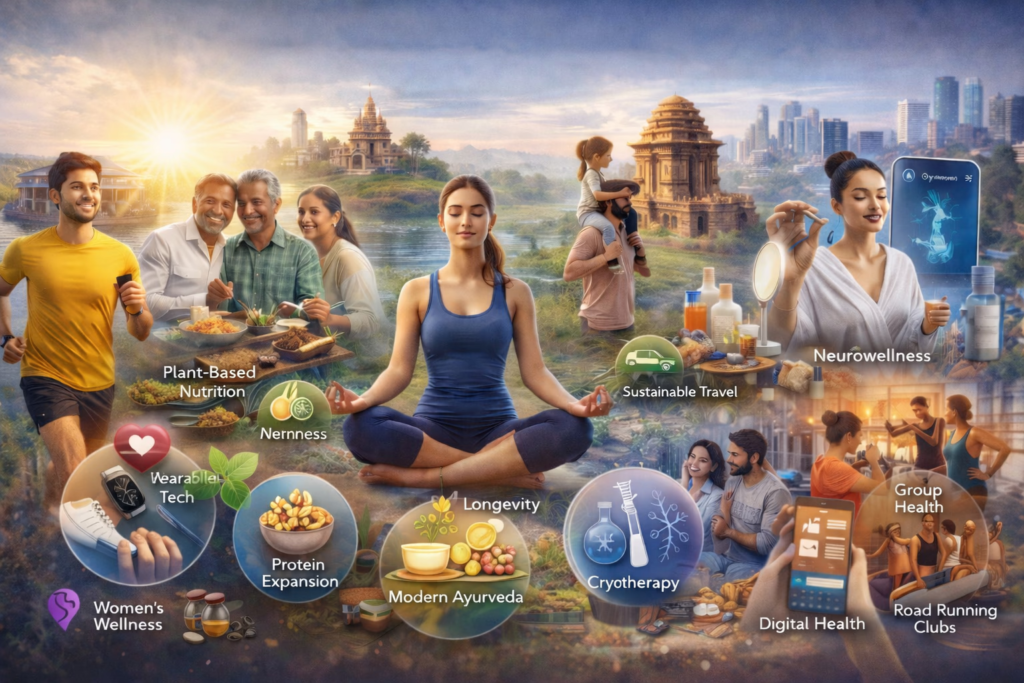
Health care is undergoing a foundational identity shift. For a century, Western medicine operated primarily on a reactive sickness model: you wait until something breaks, visit a doctor, and receive a intervention to treat the symptom. Today, driven by affordable diagnostic technology and a cultural obsession with longevity, we are transitioning toward a proactive wellness model.
The Democratization of Health Data
The average individual now has access to physiological data that was once available only inside hospital ICUs or specialized sports labs.
- Continuous Biomarker Monitoring: Wearable rings, bands, and patches continuously track heart rate variability (HRV), sleep architecture, blood glucose fluctuations, and skin temperature. Instead of relying on a single, annual blood test, individuals track trends over months, catching subtle indicators of inflammation, stress, or metabolic dysfunction before they turn into chronic illness.
- Metabolic Personalization: The realization that generic food pyramids don’t account for individual genetics has birthed an industry of personalized nutrition. What spikes one person’s blood sugar might leave another’s perfectly stable.
- Mental Health Infrastructure: Mental health care has shed much of its historical stigma, expanding into daily life through accessible tele-therapy platforms, mindfulness practices integrated into corporate wellness programs, and a broader cultural acceptance of setting psychological boundaries.
Hyper-Personalization and the Creator Infrastructure
The traditional mass-media model—where millions of people watch the same four television channels, listen to the same radio stations, and buy the exact same mass-manufactured goods—has fragmented beyond recognition. We have entered the age of algorithmic micro-audiences.
The Rise of the One-Person Media Engine
The barrier to entry for building a global media or retail brand has collapsed. A single passionate subject-matter expert equipped with a laptop, a decent microphone, and an internet connection can build a direct-to-consumer business that out-earns traditional regional media houses.
- Algorithmic Matchmaking: Modern distribution platforms no longer care about your total follower count as much as they care about user engagement. Their algorithms serve content directly to hyper-specific niches—whether that is vintage wristwatch restoration, obscure programming languages, or artisanal bread making.
- Direct Economy Lines: Creators no longer rely on corporate middleman sponsors to survive. Through direct subscription models, private communities, digital courses, and physical merchandise drops, they form direct financial relationships with their most dedicated supporters.
- Authenticity over High Polish: Audiences have developed a keen radar for polished, corporate salesmanship. They consistently prefer raw, candid, unscripted storytelling over slick, multi-million-dollar ad spots.
Digital Fortresses: Security in an Hyper-Connected World
As our physical lives become deeply entangled with digital infrastructure, personal cybersecurity has ceased to be a dry, technical topic reserved for IT departments. It has become an essential life skill on par with locking your front door or managing a bank account.
The Zero-Trust Mindset:
The baseline assumption of modern security is simple: assume the network is already compromised. Every access attempt—whether coming from an employee inside an office building or a smart refrigerator connected to your home Wi-Fi—must be authenticated, authorized, and continuously validated before being granted access.
The New Personal Security Baseline
- The Death of the Password: The era of typing
P@ssword123across fifty different websites is over. Passkeys, cryptographic hardware tokens, and biometric authenticators are replacing static text strings, eliminating the primary attack vector for data breaches. - Deepfake Vigilance: As generative audio and video tools become accessible, social engineering attacks have grown sophisticated. Families and businesses are establishing private verification phrases and multi-channel verification protocols to protect against voice-cloning scams and fraudulent transfer requests.
- Data Sovereign Choices: Everyday consumers are migrating toward privacy-focused search engines, end-to-end encrypted messaging services, and zero-knowledge cloud storage providers that cannot read their files even if served with a subpoena.
The New Career Matrix: Navigating Unlinear Paths
The era of joining a single corporation at age twenty-two, climbing a clear, linear ladder for forty years, and retiring with a gold watch and a guaranteed pension is gone. In its place sits a dynamic, sometimes intimidating, but ultimately liberating career landscape that favors adaptability over tenure.

Key Pillars of the Adaptive Career
- Skill Stacking over Specialization: Being in the top 1% of a single, narrow technical discipline is risky if that discipline can be automated. A far safer and more lucrative approach is skill stacking—combining three or four distinct abilities (e.g., software engineering + clear persuasive writing + deep domain knowledge in healthcare) to create a unique value proposition.
- Continuous Upskilling Sprints: Degrees and credentials no longer carry a lifetime warranty. Successful professionals treat their skill set like software, constantly executing minor updates and major version overhauls every two to three years through intensive, self-directed learning.
- Cultivating Optionality: The modern workforce prioritizes optionality. Maintaining a healthy emergency fund, cultivating a strong professional network outside your current employer, and keeping your personal brand active ensures that market shifts become invitations for growth rather than life-shattering crises.
Embracing the Future with Intent
It is easy to look at the sheer velocity of modern technological and social change and feel overwhelmed. When every tool, workflow, and cultural norm seems to be reinventing itself simultaneously, the instinctive human reaction is often to retreat into nostalgia or push back against the tide.
But progress doesn’t demand that we abandon our core values, our desire for connection, or our need for quiet, focused thought. In fact, as automated systems, algorithmic curation, and virtual environments take over the mechanical aspects of our lives, distinctly human qualities become infinitely more valuable:
The goal is not to adopt every trend, download every new app, or rewrite your entire career strategy every six months. The goal is to build a high level of situational awareness—to observe these structural shifts with curiosity rather than fear, to separate passing fads from deep structural shifts, and to intentionally choose the tools and habits that serve your long-term vision.
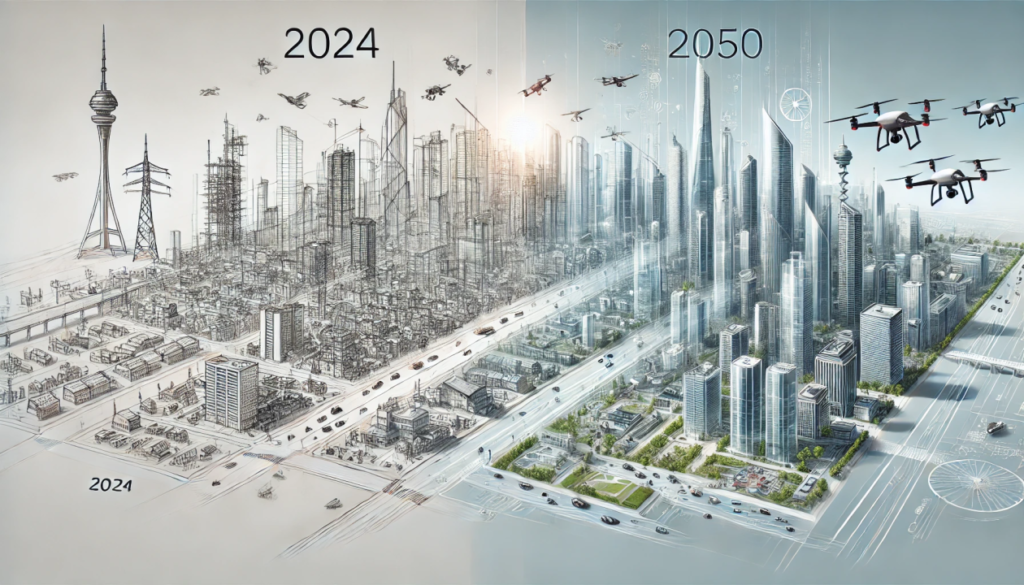
The future belongs neither to those who blindly resist change nor to those who mindlessly chase every new shiny object. It belongs to those who stay curious, stay adaptable, and ground themselves in timeless human values while using modern tools to build a meaningful, impactful life.
FAQ’S
1. Why is it important to follow the latest trends?
Following trends helps you stay informed, adapt to change, and make smarter personal and business decisions.
2. How is AI shaping the future?
AI is improving productivity by automating tasks, enhancing decision-making, and supporting innovation across industries.
3. What are the biggest trends this year?
Key trends include artificial intelligence, sustainability, remote work, smart technology, digital learning, and automation.
4. Why is sustainability becoming more important?
People and businesses are focusing on reducing environmental impact through eco-friendly products and sustainable practices.
5. How can I stay updated with future trends?
Read trusted industry blogs, follow expert insights, attend webinars, and continue learning new skills regularly.