
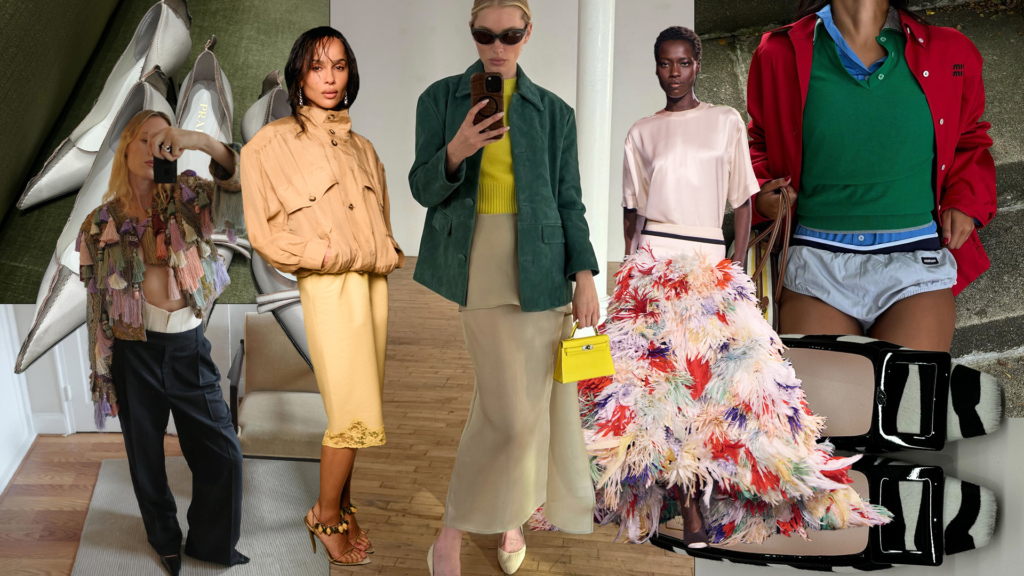
Personal style is fundamentally an exercise in self-articulation. It is a visual language spoken long before you utter a single word, serving as a silent declaration of your identity, emotional state, values, and worldview. Far beyond the superficial churn of seasonal trends or the artificial status attached to luxury logos, true style is an internal compass made manifest through textiles, silhouettes, color palettes, and proportions.
In a cultural moment defined by algorithmic homogenization, hyper-fast production cycles, and constant social media commentary, cultivating a unique aesthetic identity is a radical act of self-possession. Rather than attempting to fit into a pre-packaged corporate aesthetic or adopting a transient internet-born micro-trend, developing your style requires looking inward. It is the art of aligning your external appearance with your internal reality—creating a harmonious sartorial signature that provides comfort, projects quiet confidence, and seamlessly supports your lived experience.
The Evolutionary Arc of Personal Aesthetic
The journey toward a distinct style identity is rarely linear. It shifts across different chapters of life, adapting to changing body shapes, professional environments, personal priorities, and evolving self-awareness.
Developing a signature visual language requires navigating through these distinct evolutionary phases. Moving from blind imitation to deliberate curation demands an honest audit of how you actually live versus how you imagine you live.
1. Lifestyle Pragmatism: The Operational Audit
The primary reason wardrobes fail is a fundamental disconnect between aspirations and daily reality. A closet filled with structured eveningwear, towering heels, and stiff formal tailoring is functionally useless for someone who works remotely, spends hours on foot, or moves through creative studio spaces.
Conducting the 80/20 Lifestyle Breakdown
A functional wardrobe should accurately reflect how you allocate your time. Begin by analyzing your weekly distribution of hours across core operational environments:
- Professional/Corporate Infrastructure: Highly formal, business casual, or creative professional settings requiring specific degrees of sartorial polish.
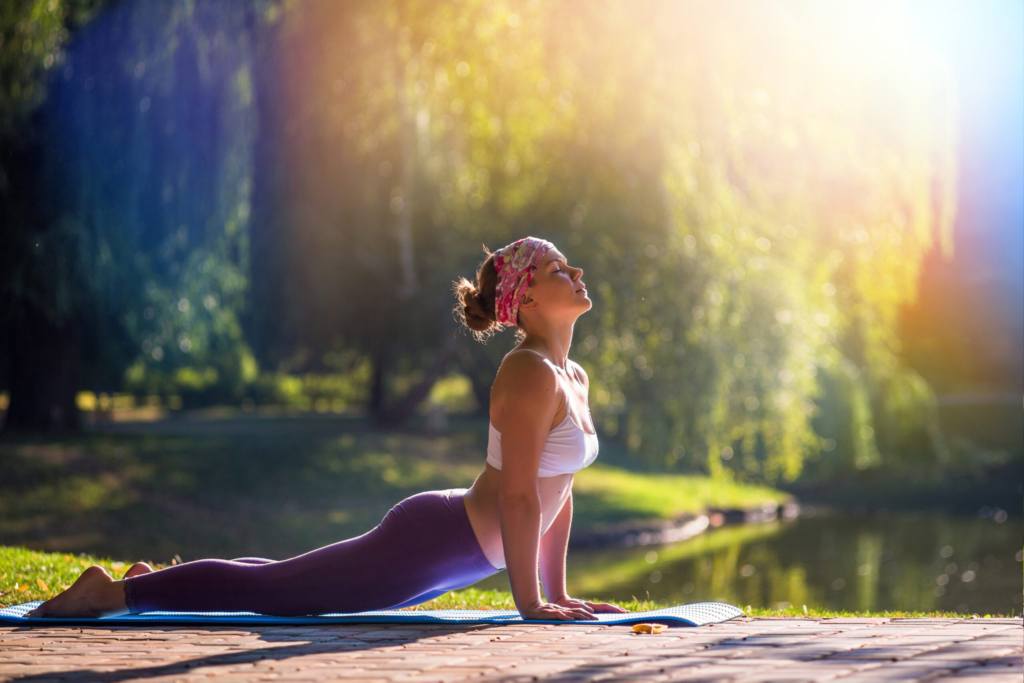
- Active/Functional Movement: Commuting, fitness, outdoor navigation, and physical labor.
- Rest/Domestic Life: Low-friction, highly tactile clothing optimized for comfort and relaxation.
- Social/Creative Expression: Dinners, cultural events, gatherings, and artistic endeavors where personal expression takes center stage.
If 70 percent of your life is spent in casual or active environments, but 70 percent of your financial investment and closet space is dedicated to formal attire, every morning will yield a psychological sense of “having nothing to wear.” Aligning garment availability with lifestyle reality immediately eliminates daily decision fatigue.
2. Navigating Inspiration Without Aesthetic Erasure
We live in an age of unprecedented visual saturation. Digital platforms bombard us with thousands of curated outfits daily, creating a subtle pressure to adopt someone else’s complete aesthetic identity.
True inspiration is selective, not mimetic. When an image resonates with you, deconstruct why it captures your attention. Is it the crisp contrast of a sharp navy blazer over a relaxed white cotton tee? Is it the tactile weight of a heavy gauge knit paired with fluid silk? Is it a specific earthy color palette? Extract the underlying principles—proportions, textures, color balances—and apply them to garments that already belong to your personal language.
3. The Structural Power of Proportion, Fit, and Silhouette
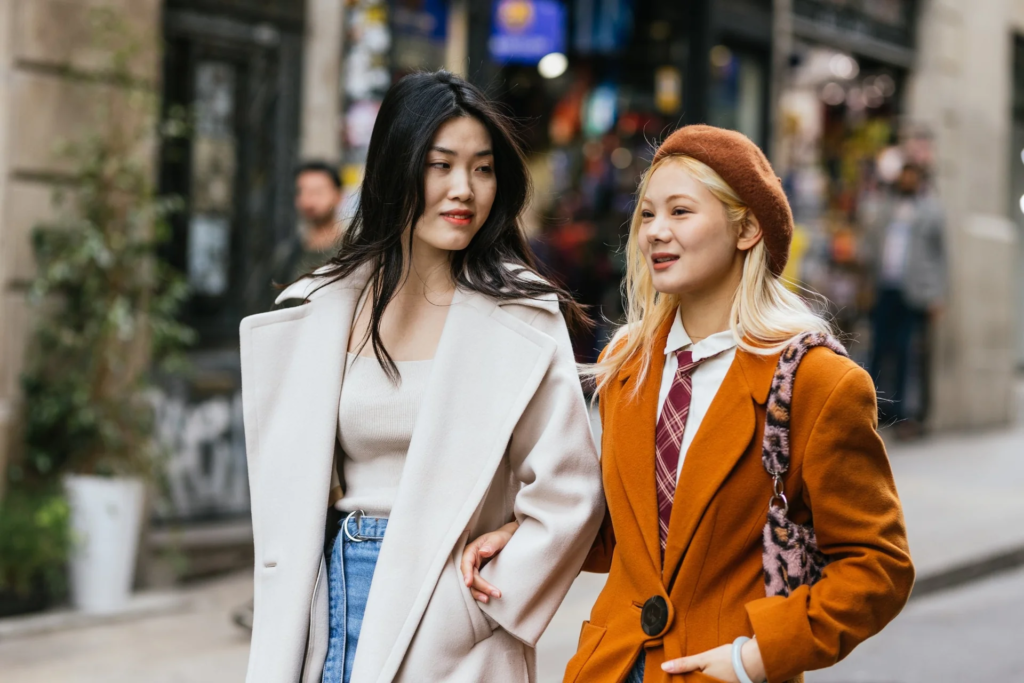
The difference between looking styled and looking overwhelmed by clothing almost always comes down to proportion, balance, and structural fit. Price tags and designer labels are entirely irrelevant if a garment fights against the natural lines and movement of your body.
Mastering Architectural Balance
Visual harmony relies on the thoughtful juxtaposition of contrasting volumes, weights, and textures:
Garments should skim, structure, or intentionally drape around the body—they should never restrict movement or cause physical discomfort. Investing in local alteration tailors to hem trousers precisely to your preferred shoe height, nip in excess waist fabric, or shorten sleeves transforms off-the-rack clothing into custom-feeling armor.
4. The Color Matrix and Tactile Engineering
Color and texture carry immense psychological weight. They influence your mood, alter the perceived formality of an outfit, and dictate how effectively individual items interlock within a wardrobe.
Building a cohesive color foundation does not mean banishing vivid hues in favor of a sterile, monochrome existence. Rather, it means establishing a core anchor palette—typically two to three neutral base shades—that allows accent colors to be introduced without creating visual chaos or limiting outfit combinations.
Simultaneously, pay close attention to material composition. Synthetic fibers often trap heat, degrade rapidly after washing, and lack the rich tactile depth of natural textiles. Prioritizing high-integrity natural fibers—such as heavy cotton, organic linen, traceable wool, silk, and vegetable-tanned leather—ensures that garments age gracefully, acquiring character over years of wear rather than deteriorating into waste.
5. Constructing the High-Function Capsule Core
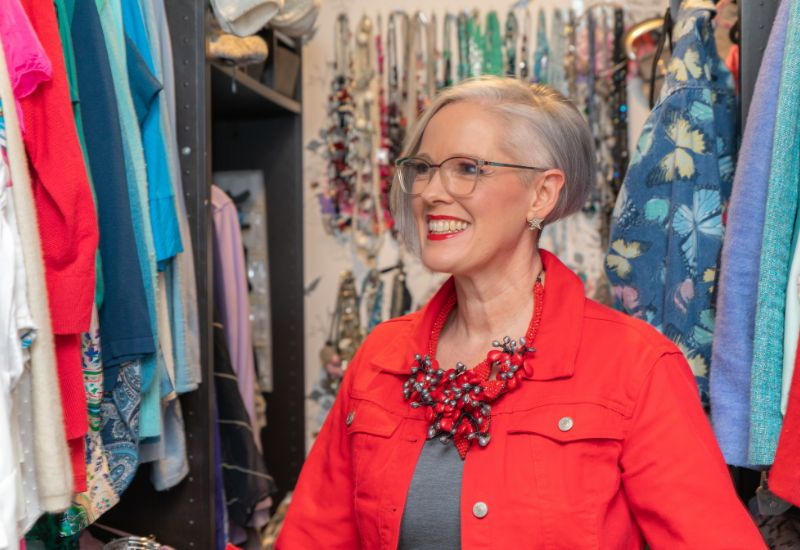
A sophisticated personal style does not require an expansive walk-in closet overflowing with hundreds of options. In fact, an overabundance of choices frequently leads to psychological fatigue and poor outfit execution. The world’s most impeccably styled individuals almost universally operate from a refined capsule of foundational uniforms.
┌─────────────────────────────────────────────────────────────────────────────┐
│                      THE FOUNDATIONAL UNIFORM MATRIX                        │
├─────────────────────────────────────────────────────────────────────────────┤
│ • TAILORED OUTERWEAR: A sharp trench coat, structured wool overcoat, or     │
│   impeccably cut leather jacket to anchor any base layer.                   │
│ • ARCHITECTURAL TOPS: Premium weight white and black tees, crisp poplin     │
│   button-downs, and breathable fine-knit sweaters.                          │
│ • VERSATILE BOTTOMS: Dark wash or raw straight-leg denim, pleated wool      │
│   trousers, and tailored high-waist shorts or midi skirts.                  │
│ • FOOTWEAR ANCHORS: Minimalist leather sneakers, refined loafers, and clean  │
│   chelsea or dress boots that support miles of walking.                     │
└─────────────────────────────────────────────────────────────────────────────┘
These core items serve as the reliable canvas upon which seasonal exploration, expressive accessories, and personal touches are layered. When every base layer fits impeccably and works harmoniously with every piece of outerwear, the process of dressing becomes effortless, fast, and consistently satisfying.
6. The Subtle Art of Personal Signatures and Accessories
If foundational garments represent the canvas of your personal style, accessories and subtle stylistic signatures represent the brushstrokes. They transform a clean, functional outfit into a distinct personal statement.
A personal signature does not need to be loud or theatrical. It is often defined by quiet consistency:
- Horological & Jewelry Anchors: A vintage watch passed down through family, a stack of worn sterling silver rings, or a simple, high-integrity gold chain worn daily.
- Eyewear Architecture: Distinctive optical frames or sunglasses that suit your face shape, becoming an instantly recognizable extension of your facial structure.
- Tactile Accents: Silk neck scarves, structured leather belts with understated brass hardware, or uniquely textured leather bags that show a rich patina from years of use.
- Stylistic Micro-Habits: A signature way of rolling up shirt sleeves, cuffing denim hems, tucking knitwear, or mixing ultra-formal tailoring with lived-in casual footwear.
These deliberate micro-details communicate intentionality, showing that you have curated your appearance with care and precise self-knowledge.
7. Curation, Wardrobe Maintenance, and Sustainability
A thriving wardrobe functions like a healthy ecosystem: it requires regular clearing out, thoughtful maintenance, and intentional restraint. The most stylish individuals view wardrobe building as a lifelong practice of slow curation rather than rapid, consumption-driven accumulation.
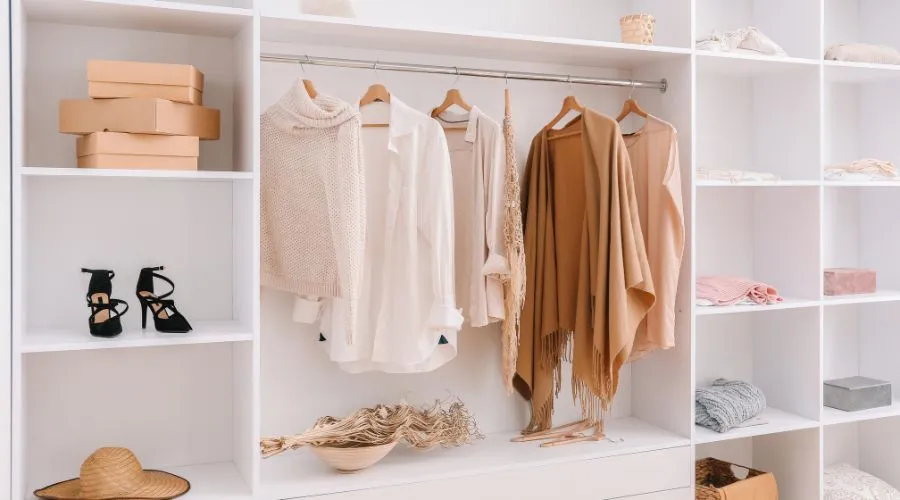
By prioritizing garment maintenance—such as air-drying fine fabrics, brushing wool coats after wear, using cedar shoe trees for leather boots, and seeking out skilled local repair artisans—you extend the lifespan of your wardrobe exponentially. This respectful relationship with your clothing reduces environmental waste, saves significant financial resources over time, and preserves pieces that carry personal history.
8. The Ultimate Foundation: Quiet Confidence and Authenticity
No amount of pristine tailoring, rare vintage archival fashion, or expensive cashmere can compensate for a lack of internal ease. The most captivating personal style is never performative; it is effortless. It stems from the quiet comfort of wearing clothes that feel like a natural extension of your mind and body.
True style is achieved when you stop dressing for the imagined approval of strangers, fashion critics, or social media algorithms, and start dressing entirely for yourself. When your clothing honors your physical body, respects your daily lifestyle, matches your values, and reflects your authentic personality, getting dressed ceases to be a chore. It becomes a daily ritual of creative self-expression—a quiet, confident celebration of who you are as you walk out into the world.
FAQ’S
1. What is personal style?
Personal style is the unique way you express yourself through your clothing and accessories.
2. How can I find my personal style?
Explore different fashion inspirations, understand your lifestyle, and wear what makes you feel confident.
3. Do I need expensive clothes to look stylish?
No, well-fitting and quality outfits matter more than expensive brands.
4. Can I follow fashion trends and still have my own style?
Yes, use trends as inspiration while staying true to your personal preferences.
5. Why is personal style important?
A personal style boosts confidence, reflects your personality, and helps you create a consistent, authentic look.