
Most people navigate their daily lives in a perpetual state of reaction. They wake up to an alarm, Daily Routine check their phone notifications immediately, and spend the rest of the day putting out fires. This reactive state drains willpower, degrades focus, and leaves you feeling exhausted yet unproductive.
To break free from this cycle, you must shift from reactive living to intentional design. Building a high-performance life isn’t about working 16 hours a day; it is about establishing a repeatable framework that protects your mental bandwidth, prioritizes your most critical objectives, and preserves time for personal growth, health, and personal expression.
Below is the definitive, multi-pillar strategy for designing and executing your ideal day—combining night-before preparation, tight morning rituals, priority execution, and structural productivity.
1. The Night-Before Protocol (Evening Planning & Mental Defrag)
The foundation of a flawless day is built the night before. Skipping evening planning and attempting to structure your day in the morning is one of the most common productivity traps. In the morning, decision fatigue has not yet set in, but unpredictability is at its peak. Urgent emails, family needs, or sudden workplace emergencies can easily derail your momentum before you even decide what your priorities are.

Why Evening Planning Works
- Elimination of Open Loops: According to psychological research, uncompleted tasks create cognitive resistance known as the Zeigarnik Effect. When you leave tasks unscheduled, your subconscious mind continuously processes them throughout the night, leading to fragmented sleep and elevated cortisol levels. Writing down your explicit plan closes these loops, signaling to your brain that it can safely power down.
- Subconscious Problem Solving: When you define your primary challenges before going to sleep, your brain’s default mode network processes these problems overnight. This is why you often wake up with sudden clarity or creative solutions to complex dilemmas.
- Decisive Morning Energy: Eliminating morning decision-making preserves your valuable executive function. Instead of spending 30 minutes figuring out where to begin, you jump straight into execution.
Step-by-Step Evening Ritual Checklist
- Review Your Macro Schedule: Look at your digital calendar for fixed commitments, deadlines, and meetings.
- Identify Contingencies: Notice potential time-wasters or tight transition windows and build in buffer periods.
- Brain Dump & Clear Open Loops: Capture every lingering thought, draft task, or idea on paper.
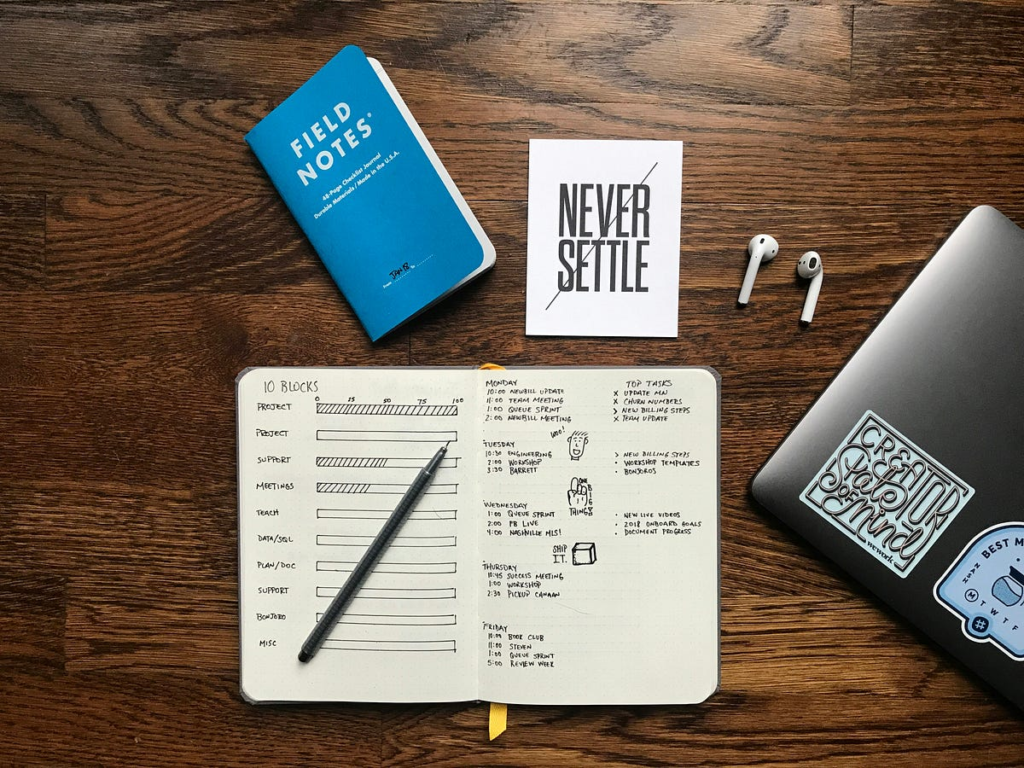
- Lock in the Daily Outline: Write down your exact sequence of events for the following day (as detailed in Pillar 4).
2. Streamlining Your Morning Ritual for Maximum Flow

Once you have planned your day the night before, your morning ritual serves as the bridge between rest and execution. A proper morning ritual is not an elaborate 3-hour process filled with twenty different habit trends; it is a streamlined, frictionless operational sequence designed to transition your nervous system into a state of focus.
Deconstructing the Ideal Morning Sequence
To ensure zero guesswork, break your morning ritual into distinct non-negotiable phases:
| Phase | Time Window | Primary Goal | Action Items |
| Hydration & Sunlight | 0 to 15 Min Post-Wake | Reset Circadian Rhythm | Drink 500ml water with electrolytes; get 10 mins of natural sunlight exposure. |
| Physical Activation | 15 to 45 Min Post-Wake | Increase Blood Flow | Light mobility work, brisk walking, or a structured workout session. |
| Mindset Alignment | 45 to 60 Min Post-Wake | Ground Intentions | 5–10 minutes of journaling, breathwork, or reading core growth principles. |
| Personal Style & Grooming | 60 to 90 Min Post-Wake | Build Personal Confidence | Dressing intentionally to project clarity and readiness for the day. |
3. Priority Execution & “Eating Your Frog”
The ultimate differentiator between high achievers and chronically busy individuals is task selection. Most people fill their days with low-friction, low-impact administrative tasks (checking email, re-organizing file folders, responding to messages) because it provides a false sensation of progress.

The “Frog” Principle Explained
Originating from Mark Twain’s classic insight—“Eat a live frog first thing in the morning and nothing worse will happen to you the rest of the day”—your “frog” represents your single most critical, high-leverage task. It is typically the one task that carries the highest cognitive demand, the greatest long-term reward, and often the most emotional resistance or friction.
Strategic Rules for Frog Execution
- Single-Tasking Supremacy: Close all browser tabs, put your phone on do-not-disturb, and disable all workspace notifications during this block.
- Time-Boxing the Block: Dedicate a continuous, uninterrupted 90-to-180-minute window purely to this task.Structural Productivity Architecture
- No Digital Inputs Prior: Do not open your email inbox or social feeds before completing or significantly advancing your frog. Opening your inbox forces you back into a reactive mindset, letting other people’s priorities dictate your brain chemistry.
For those seeking peak personal optimization, static to-do lists are insufficient. A list of 20 unranked tasks without temporal boundaries is simply a recipe for overwhelm. Instead, you must implement Structural Productivity.
Structural Productivity operates on a simple premise: Schedule your fixed, non-negotiable life pillars first, and force your work commitments into the remaining allocated windows.
4. The Structural Life Framework

Your life consists of non-negotiable foundations that dictate your physical health, mental clarity, and emotional well-being. When these foundations are neglected, performance inevitably collapses.
- Primal Foundations: Sleep (7–8 hours), Nutrition (meal times), Physical Fitness.
- Developmental Foundations: Learning, Skill Acquisition, Reading, Mindset Work.
- Relational Foundations: Family Time, Social Connections, Community Engagement.
By treating these pillars as immovable blocks on your calendar, you eliminate the temptation to sacrifice sleep or health for temporary, low-efficiency work sprees.The Master Daily Blueprint Model
Below is a field-tested time-blocking blueprint illustrating how Structural Productivity functions in practice:
5. Mindset Shifts & Long-Term Self-Growth Alignment
Systematizing your daily schedule is useless without the internal cognitive framework to support it. True productivity is not merely an operational endeavor; it is an extension of your self-identity, mindset, and lifestyle standards.
1. Rejecting the “Montage Illusion”
Many people treat personal growth like a cinematic montage, expecting rapid, dramatic transformations overnight. Real transformation is quiet, unglamorous, and iterative. It relies on the Compound Effect: small, unsexy daily decisions multiplied over weeks, months, and years.
2. Adopting a Growth Mindset
When your schedule inevitably faces interruptions—a sudden urgent meeting, a family concern, or a low-energy day—a fixed mindset leads to frustration and total abandonment of your plan. A growth mindset views schedule disruptions as data points to analyze and adapt to. If a day falls apart, recalibrate during your evening ritual without self-judgment.
3. Curating Style & Personal Presentation

How you dress and present yourself directly affects your cognitive state—a psychological phenomenon known as enclothed cognition. Aligning your personal presentation with your visual identity builds internal authority, reinforces self-discipline, and sets a high baseline for performance each morning.
Summary Checklist for Immediate Implementation
- Tonight: Spend 10 minutes conducting a brain dump, reviewing your calendar, and identifying tomorrow’s single “frog.”
- Tomorrow Morning: Execute your morning ritual without checking phone notifications or opening email inboxes.
- 9:00 AM: Work uninterrupted on your primary objective for at least 90 minutes.
- Throughout the Day: Protect your non-negotiable health, meal, and recovery blocks within your structural template.
- Repeat: Turn this sequence into a permanent, automated lifestyle system.