

In personal productivity, there’s a growing trend toward unified systems, deep work, and reduced screen time, rather than switching between multiple apps.People are adopting simple and practical approaches instead of having a multitude of different apps.
These practical productivity routines will help you work more efficiently, stay focused, and actually finish what you start.
10 Personal Productivity :
1. Start with clear daily goals: Before the day gets away from you, write down 3–5 tasks you want to finish. Not everything, just the essentials. It helps keep attention on what actually moves things forward.

2. Break big tasks into smaller ones: Large projects are overwhelming. Break them into manageable steps to make it easier to get started and finish.
3. Time your work sessions: Using techniques like the Pomodoro method (25 minutes on, 5 minutes off), work in short, focused bursts. It helps keep your energy and attention levels steady.
4. Batch similar tasks together: Grouping similar tasks like emails, admin work, and research saves time switching between types of work and reduces mental fatigue.
5. Avoid multitasking: It feels efficient, but it’s not. Focus on one thing at a time to get better results faster.
6. Use tools that keep you focused: Rely on simple apps or systems like task managers, calendar alerts, and timers to stay on track without overcomplicating things.
7. Plan for interruptions: Accept that things won’t always go to plan, so leave space in your schedule for unexpected tasks or quick turnarounds.
8. Regularly check your progress: Whether it’s daily, weekly or monthly, pause to see what’s working. It’s not about being perfect – it’s about being aware.
9. Tidy up your workspace: A cluttered space leads to a cluttered mind. Keep your digital and physical spaces clean enough to think clearly.
10. Finish strong: Before logging off, review the day and prep tomorrow’s to-do list. It closes the loop and makes it easier to start fresh the next day.
Understanding Personal Productivity

Personal productivity is a vital aspect of achieving success in both personal and professional life. It refers to the ability to efficiently manage time, prioritize tasks, and maintain focus to accomplish goals. Understanding personal productivity is essential to identifying areas for improvement and developing strategies to enhance it. By recognizing the importance of personal productivity, individuals can take the first step towards optimizing their workflow, reducing stress, and increasing overall well-being.
In essence, personal productivity is about making the most of your time and energy to achieve your desired outcomes. Whether you’re juggling multiple projects at work or managing your personal life, understanding how to measure personal productivity and implement effective productivity systems can make a significant difference. By focusing on what truly matters and eliminating distractions, you can create a more balanced and fulfilling life.
Measuring Personal Productivity
Measuring personal productivity is crucial to evaluating progress, identifying areas for improvement, and adjusting strategies accordingly. There are several ways to measure personal productivity, including:
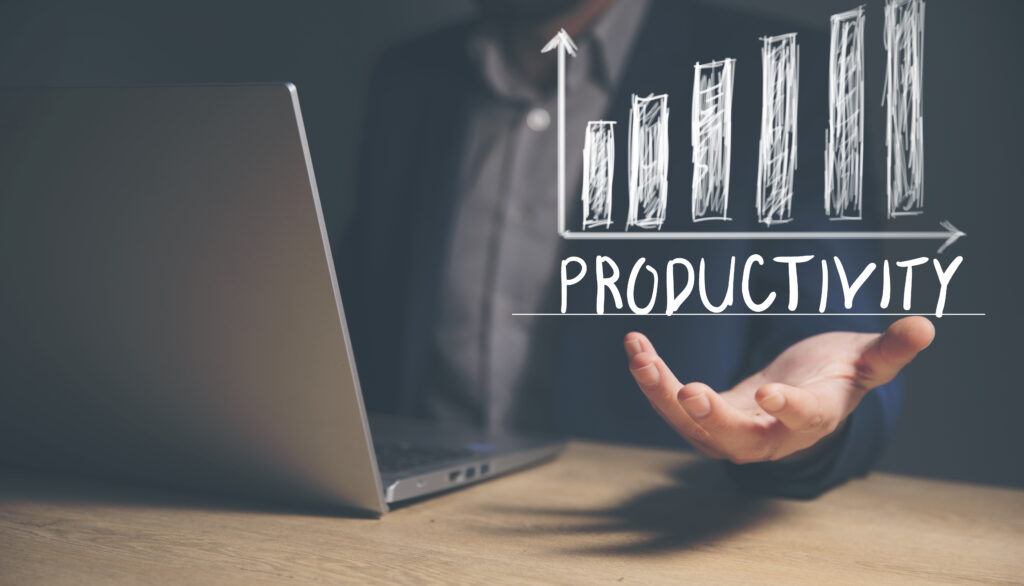
- Time Tracking: Monitoring the time spent on tasks and activities helps identify time-wasting patterns and optimize time allocation. By using time-tracking tools, you can gain insights into how you spend your day and make necessary adjustments to increase personal productivity.
- Task Completion Rate: Tracking the number of tasks completed within a set timeframe provides a clear picture of your productivity and efficiency. This metric helps you understand how well you’re managing your to-do list and completing tasks.
- Goal Achievement: Setting and achieving specific goals is a powerful way to measure progress and success. By regularly reviewing your goals and assessing your achievements, you can stay motivated and focused on what’s important.
- Productivity Metrics: Utilizing metrics such as productivity percentage, task completion rate, and time spent on tasks allows you to measure personal productivity objectively. These metrics provide valuable data to help you refine your productivity systems and strategies.
Deep Work Strategies for Enhanced Focus
In a world persistently buzzing with notifications, pings, and endless distractions, the art of deep work has emerged as a lifeline for those seeking to enhance focus and dramatically boost cognitive productivity. Cal Newport, in his seminal work “Deep Work: Rules for Focused Success in a Distracted World,” asserts that cultivating periods of intense concentration gives you a significant edge in almost any profession. To elevate your personal productivity in 2026, adopting deep work strategies can be a game-changer.
Embracing Flexibility in Work-Life Balance and Personal Life
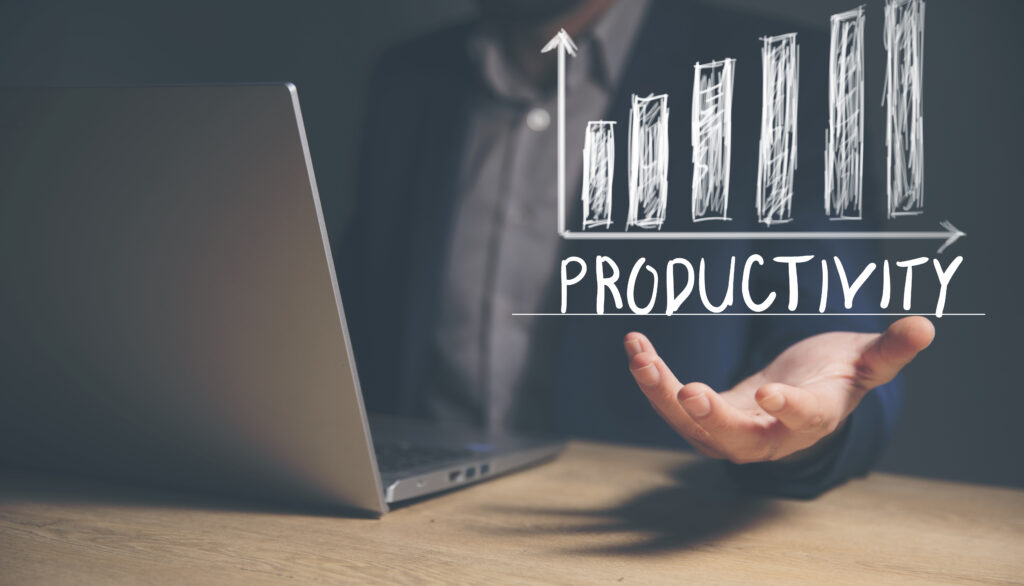
The traditional work model is undergoing a substantial transformation, becoming as outdated as floppy disks, with the rise of flexible working arrangements. With more companies across the globe adopting remote work, hybrid offices, and flexible hours, achieving work-life balance and managing employee productivity is no longer just a buzzword—it’s a fundamental component of personal productivity. While these changes are indeed empowering, they also demand an upgraded toolkit for managing the delicate dance of professional and personal obligations.
Technology-Driven Optimization of Workplace Productivity
In today’s fast-paced work environment, the need for productivity tools that optimize workflow and enhance workplace productivity is becoming more critical than ever. As remote work gains prevalence, organizations and individuals are leveraging technology not only to improve workplace efficiency but also to redefine the very essence of productivity. Consider this: a study conducted by McKinsey & Company found that implementing digital tools to streamline workflows can boost productivity by a staggering 20% to 25% in developed economies. This is particularly crucial for remote teams where seamless collaboration can often feel like herding cats.
Concentration techniques

But what about concentration techniques? Implementing the Pomodoro Technique, which involves working for 25 minutes followed by a 5-minute break, can significantly enhance focus and boost productivity. This time-blocking strategy can effectively reduce instances of zoning out or getting distracted by myriad digital temptations. For a touch of humor amidst the gravity of beating procrastination, remember that procrastination is experienced even by innovators. Bill Gates famously once said, “I choose a lazy person to do a hard job. Because a lazy person will find an easy way to do it.” So, channel your inner Gates, but with a twist—be the person who finds the easiest way to a productivity mindset, sans procrastination.
FAQ’S
1. What is personal productivity?
Personal productivity is the ability to manage your time, tasks, and energy effectively to achieve your goals.
2. How can I improve personal productivity?
Set clear goals, prioritize important tasks, avoid distractions, and follow a consistent daily routine.
3. What is the best productivity technique?
The Pomodoro Technique, time blocking, and the 80/20 rule are popular productivity methods.
4. Why is personal productivity important?
It helps you save time, stay focused, reduce stress, and accomplish more meaningful work.
5. How can I stay productive every day?
Plan your day in advance, focus on one task at a time, take regular breaks, and track your progress.