

There was a time—not that long ago—when quiet was the Productive default. If you had a project to finish, you sat down at a desk, opened a notebook or a document, and just did the work. Your mind could settle into a groove and stay there for hours.
Today, that kind of deep, unbroken focus feels like a relic of a bygone era.
Instead, our days are fragmented by a non-stop barrage of digital noise. Phones buzz in our pockets, social media algorithms actively fight for our attention, emails pile up in real-time, and a literal infinity of information sits just one tap away. We operate in an attention economy, and right now, the economy is winning.
The modern tragedy is that most of us leave the office or close our laptops feeling utterly exhausted, yet we look back at our day and wonder, “What did I actually get done?” We confuse the frantic energy of task-switching with genuine achievement. We respond, we react, we put out fires, and we watch our hours evaporate.
But here is the truth: getting things done isn’t about running yourself into the ground or working an 80-hour week. It’s about learning how to fiercely protect your attention, manage your energy, and own your priorities. It’s about building a life where you control your day, rather than letting your notifications control you.
Redefining What It Means to Be Productive
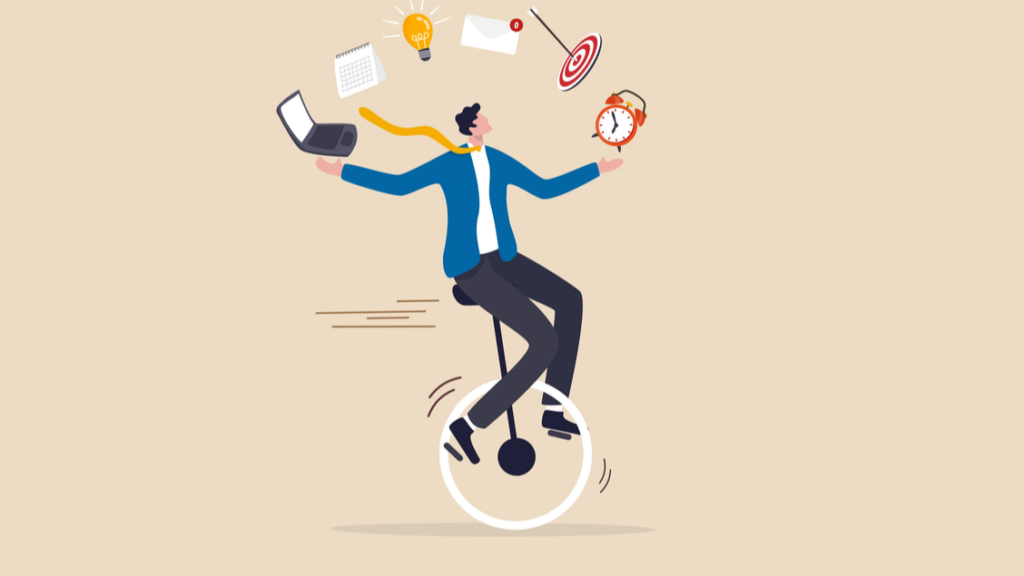
But humans aren’t machines. Constant busyness is often just a socially acceptable form of procrastination. We often treat minor distractions as harmless breaks. “I’ll just check this notification,” we tell ourselves. True productivity isn’t about quantity; it’s about alignment. It means making meaningful progress on things that actually matter to your life, your career, or your business.
We need to ditch the old definition of productivity. Somewhere along the line, we bought into the lie that being productive means acting like a machine—constant motion, packed calendars, and zero downtime.
The Busy Trap: Replying to 50 low-priority emails, rearranging your desktop icons, and attending a meeting that could have been a simple message.The Value Shift: Spending twenty minutes of deep, uninterrupted focus creating something meaningful or solving an important problem. When you start measuring your days by the value you create rather than the number of tasks you cross off, your relationship with work changes. You stop rushing, and you start focusing.
The Silent Tax of Modern Distractions
We often treat minor distractions as harmless breaks. “I’ll just check this notification,” we tell ourselves.
However, there is no such thing as a harmless interruption when it comes to concentration.
Psychologists refer to this as attention residue. When you switch from one task to another, a portion of your focus remains attached to the previous activity. Even brief interruptions can significantly reduce your ability to return to deep work. Every distraction has a hidden cost, and over time those costs add up. The ability to focus without interruption has become one of the most valuable skills in the modern world.
Stop Depending on Willpower

Many people believe their lack of productivity comes from a lack of discipline.
In reality, environment often beats willpower.
If your phone sits beside you while you work, part of your brain remains aware of its presence. If your workspace is cluttered, your attention becomes fragmented. If notifications constantly interrupt you, staying focused becomes nearly impossible.
The solution is simple. Design your environment for success. Remove distractions before they become temptations. Create a workspace that encourages concentration instead of competing for your attention.
The Myth of Multitasking
Multitasking has long been celebrated as a valuable skill. In reality, most people are not multitasking at all.
They are rapidly switching between tasks.
Each switch requires mental energy. The more often you switch, the more mistakes you make and the more exhausted you become.
When you focus on a single task at a time, your work improves. You think more clearly, make fewer errors, and finish faster.
Single-tasking may feel slower at first, but it produces far better results in the long run.
Why Energy Matters More Than Time

Most productivity advice focuses entirely on time management.
But time is only part of the equation.
Your energy levels fluctuate throughout the day. Some hours are naturally better for creative thinking, problem-solving, and strategic work. Other hours are better suited for routine tasks and administrative responsibilities.
The key is matching the right task to the right energy level.
When you align your work with your natural rhythms, productivity becomes easier and more sustainable.
The Art of Ruthless Prioritization
One of the biggest productivity mistakes is trying to do everything at once.
Highly productive people understand that not everything deserves equal attention.
Before beginning your day, identify the single most important task you need to complete. Focus on that task before anything else demands your attention.
Completing one meaningful objective often creates more progress than finishing dozens of minor tasks.
Productivity is not about doing more. It is about doing what matters most.
Building Habits That Support Focus
Every day requires thousands of decisions.
Over time, these constant decisions drain mental energy.
Habits eliminate unnecessary choices. They create consistency and reduce decision fatigue.
Simple routines such as planning tomorrow’s priorities before ending today’s work can dramatically improve productivity and focus.
When good habits become automatic, staying productive requires less effort.
Learning the Power of Saying No
One of the most overlooked productivity skills is the ability to say no.
Every commitment requires time, energy, and attention. When you agree to every request, meeting, or opportunity, you leave little room for your own priorities.
Saying no is not selfish.
It is a way of protecting the goals and responsibilities that matter most.
The more selective you become with your time, the more productive and focused you will be.
Creating Healthy Boundaries With Technology

Technology can be an incredible tool, but it can also become a constant source of distraction.
Creating boundaries helps restore balance.
Consider establishing phone-free periods during the day. Avoid checking social media first thing in the morning. Create spaces where technology is not allowed, such as the dining table or bedroom.
When technology serves a purpose instead of controlling your attention, focus becomes easier to maintain.
The Importance of Rest and Recovery
Many people treat rest as something they earn after productivity.
In reality, rest is what makes productivity possible.
Your brain needs time to recover, process information, and recharge. Quality sleep, exercise, time outdoors, and meaningful relationships all contribute to better focus and performance.
The most productive people understand that recovery is not wasted time. It is part of the process.
Progress Over Perfection

No one stays focused every single day.
There will be distractions, setbacks, and moments when motivation disappears.
What matters is how quickly you return to your priorities.
If you lose focus, start again. If you have an unproductive morning, make the afternoon count. If you miss a day, don’t miss two.
Productivity is not about perfection. It is about consistent progress.
The people who achieve the most are not necessarily the most talented or disciplined. They are the ones who continue showing up, refocusing, and moving forward one step at a time.
FAQ’S
1. What is the biggest obstacle to productivity today?
Digital distractions such as social media, notifications, and constant multitasking are major productivity barriers.
2. How can I improve my focus at work?
Reduce distractions, prioritize important tasks, and work in dedicated focus sessions.
3. Is multitasking good for productivity?
No, multitasking often reduces efficiency and increases mistakes.
4. Why is energy management important?
Managing your energy helps you perform important tasks when your focus and motivation are highest.
5. How can I stay productive consistently?
Build strong daily habits, set clear priorities, and focus on steady progress rather than perfection.