

In a world that constantly Lifestyle screams at us to move faster, achieve more, and optimize every waking second, simply living a happy, peaceful life has become an act of quiet rebellion. We are taught to measure our existence by specific milestones: the climbing job titles, the bank balances, and the external markers of success. Yet, true fulfillment rarely arrives in a boardroom or a paycheck. It quietly settles in the spaces between—in the steady rhythm of a body that feels vital, a mind that feels spacious, and a heart that feels connected.
Redefining What It Means to Live Well
The wellness industry has done us a massive disservice by reducing a healthy lifestyle to green juices, intense gym regimes, and immaculate aesthetic routines. That is not health; it is marketing. Real wellness is a holistic ecosystem. It requires a delicate balance of physical energy, emotional equilibrium, mental clarity, and a profound sense of human purpose.
When we neglect one branch of this system, the entire tree suffers. You cannot eat your way out of chronic loneliness, and you cannot exercise away the physical toll of deep, unmanaged stress. True well-being means honoring the messy, interconnected nature of your humanity. The goal is not perfection. The goal is direction. It is about making choices that support health, happiness, and self-kindness most of the time.
The Core Pillars of a Balanced Life
Honoring the Physical Vessel
Your physical body is the only home you will ever truly inhabit. When it is nurtured, life opens up; when it is neglected, your world shrinks. Movement should not be a punishment for what you ate or a chore designed to change your appearance. It should be a celebration of vitality and strength.
Whether you find joy walking through a quiet forest, dancing in your kitchen, swimming in open water, or lifting weights, the best exercise is the one you genuinely enjoy. Consistency comes naturally when movement feels rewarding rather than forced.
Nutrition follows the same philosophy. Food is nourishment, comfort, culture, and fuel. Instead of focusing on restrictive diets, prioritize whole and nutrient-rich foods. Fresh vegetables, quality proteins, whole grains, and healthy fats can support your body while helping you maintain a healthy relationship with food.
The Sacred Necessity of Rest
Modern culture often glorifies busyness and sleep deprivation, but the truth is that rest is essential for health and performance. Sleep is the body’s natural recovery system. During sleep, the brain processes information, repairs cells, and restores energy reserves.
When we consistently deprive ourselves of quality sleep, our patience decreases, our focus weakens, and our immune system struggles. Creating healthy evening routines, reducing screen exposure, and maintaining a regular sleep schedule can dramatically improve both physical and mental well-being.
Cultivating Mental Space and Stress Management

Stress is an unavoidable part of life, but chronic stress can quietly damage both mind and body. Modern lifestyles expose us to a constant stream of information, deadlines, and digital distractions that our brains were never designed to process continuously.
Creating mental space is essential. This may involve meditation, journaling, deep breathing, creative hobbies, or spending time in nature. These simple practices allow the mind to slow down, process emotions, and recover from daily pressures before they become overwhelming.
The Lifeline of Deep Human Connection
Human beings are naturally wired for connection. No amount of career success or financial achievement can replace the comfort of feeling genuinely understood by another person.
In today’s digital world, meaningful relationships require intentional effort. Sharing meals, having honest conversations, maintaining eye contact, and offering emotional support all strengthen human bonds. Investing time and energy into relationships builds resilience, emotional security, and lasting happiness.
Finding Meaning, Growth, and Purpose
Cultivating an Internal Compass
A fulfilling life requires a sense of purpose. Purpose gives direction to daily actions and provides motivation during difficult times. It does not need to be a grand mission that changes the world.
Purpose can be found in raising a family, helping others, creating meaningful work, pursuing creative passions, or contributing positively to a community. What matters is having something that makes life feel meaningful beyond external achievements.
Embracing Lifelong Growth
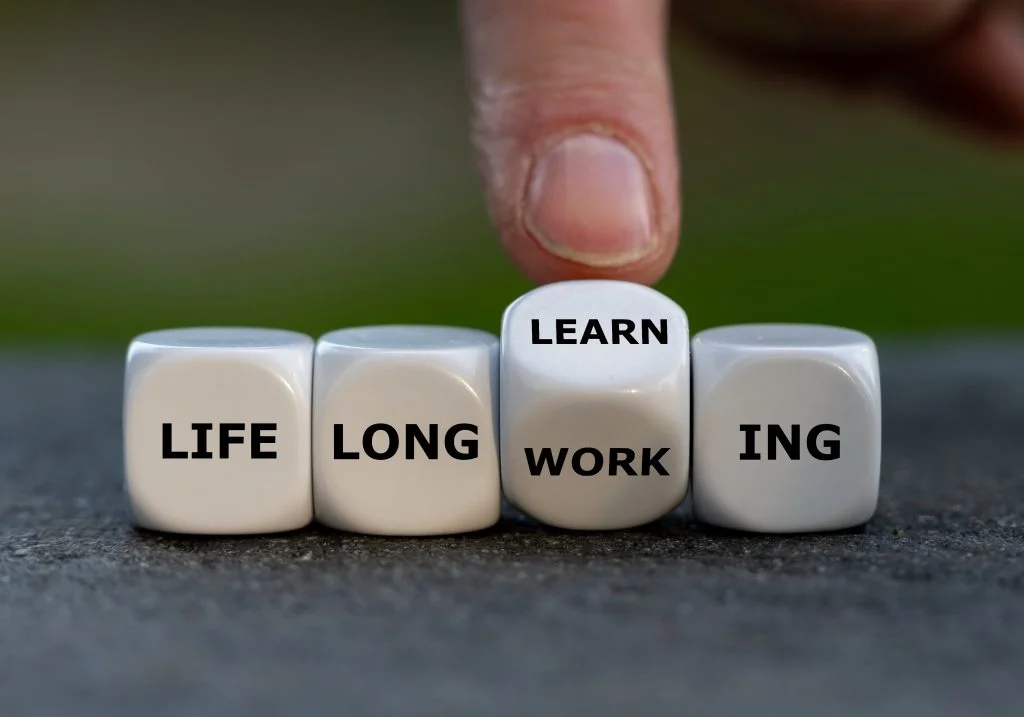
Personal growth keeps life engaging and rewarding. When we stop learning, our minds become stagnant. Growth occurs when we challenge ourselves, explore new ideas, develop skills, and embrace unfamiliar experiences.
Reading, taking courses, learning hobbies, traveling, and engaging with different perspectives all contribute to lifelong development. Growth allows us to evolve continuously and remain curious about the world around us.
Setting Boundaries in a Digital World
Our attention has become one of the most valuable resources in modern society. Social media platforms, notifications, emails, and endless digital content compete for our focus every day.
Without boundaries, technology can contribute to stress, anxiety, comparison, and mental exhaustion. Creating device-free zones, limiting screen time, and taking regular breaks from social media can help restore balance and improve mental clarity.
When the constant digital noise fades, there is more room for creativity, self-reflection, and genuine peace.
The Power of Everyday Rituals

Life is rarely transformed by dramatic overnight changes. More often, it is shaped by small daily actions repeated consistently over time.
Drinking water in the morning, taking a short walk, practicing gratitude, reading a few pages of a book, or spending quality time with loved ones may seem insignificant in isolation. Yet these simple rituals compound over time and create meaningful improvements in health, happiness, and overall well-being.
The quality of your life is often a reflection of the quality of your daily habits.
Creating Balance in Modern Life
Balance is not about dividing your time equally among every responsibility. It is about ensuring that the most important areas of your life receive attention when they need it.
Some seasons of life may require greater focus on work, while others demand more attention to family, health, or personal development. The key is remaining aware of your priorities and making intentional adjustments as circumstances change.
A balanced lifestyle allows room for ambition and rest, productivity and relaxation, achievement and enjoyment.
FAQs
1. What is the key to a healthy lifestyle?
Maintaining balance in physical, mental, and emotional well-being.
2. How much sleep do adults need?
Most adults need 7–9 hours of quality sleep each night.
3. Why is stress management important?
It helps protect both mental and physical health.
4. How do strong relationships improve well-being?
They provide support, connection, and emotional stability.
5. What is a simple habit for better wellness?
Practicing gratitude daily can improve happiness and overall well-being.