

When we hear the word lifestyle, our brains usually paint a very specific, expensive picture. We think of pristine beaches, luxury homes with floor-to-ceiling windows, trendy minimalist cafés, and those hyper-curated, aesthetically flawless daily routines that dominate social media. It leaves us with this heavy, underlying impression that to live well, you need an endless supply of cash, a totally open schedule, and an effortlessly balanced life.
But if we are being completely honest with ourselves, that entire concept is a marketing illusion.
A genuinely beautiful lifestyle isn’t about looking impressive to strangers behind a screen; it’s about how it feels from the inside out. It is the simple, grounded satisfaction of waking up with natural energy, handling life’s inevitable curveballs without spiraling, keeping your body feeling alive, and ending the day with a deep sense of peace rather than sheer, bone-deep exhaustion.
The most reassuring part of all this? None of it requires you to be perfect.
We often underestimate the quiet power of ordinary choices. A quick ten-minute walk through the grass, choosing a cold glass of water over another sugary coffee, closing a social media app before it sucks you in for an hour, or just pausing at sunset to think about one thing that went right today—these moments feel tiny. They feel almost insignificant on any given Tuesday. Yet, when these micro-decisions slowly weave into the fabric of your normal routine, they possess an incredible, compounding ability to completely reshape the texture of your life.
Improving your life isn’t about tearing down who you are overnight. It’s just about making one slightly kinder, better choice today than you did yesterday.
What Living Well Actually Means
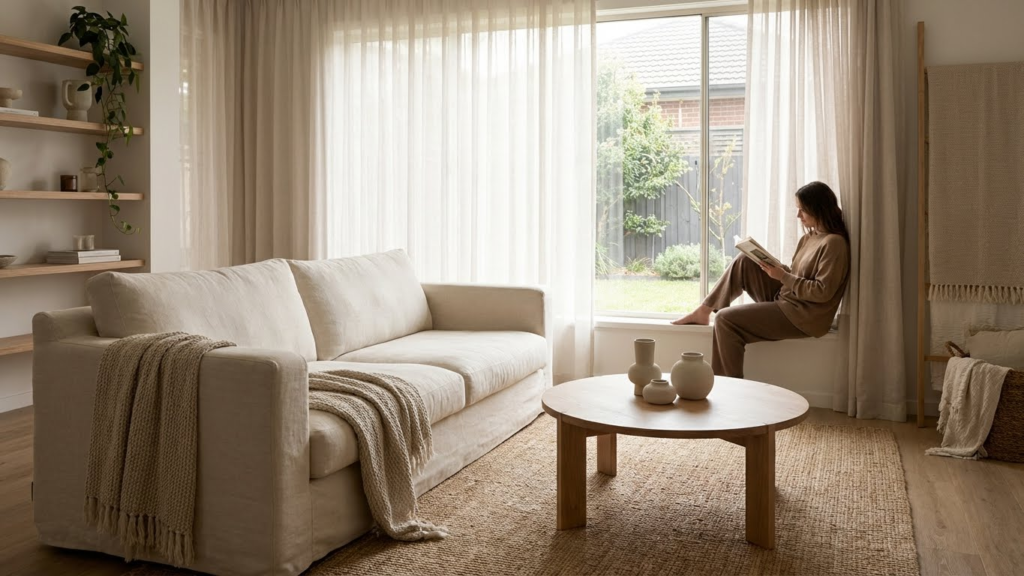
A healthy lifestyle is so much larger than just eating clean or hitting the gym three times a week. It is a living, breathing ecosystem made up of every single decision that touches your physical body, your emotional resilience, your financial peace, and your overall happiness.
It’s how you handle your mornings, the underlying tone of your internal monologue when you make a mistake, how often you allow your nervous system to fully rest, and the energy of the people you invite into your personal space. Instead of viewing a healthy life as this massive, looming mountain you have to climb, it helps to see it as a collection of small, fluid, everyday choices. Every single crossroad matters, but in a gentle way.
Honor Your Body’s Simple Needs

Our bodies work incredibly hard for us, carrying us through long workdays, family obligations, stressful commutes, and sleepless nights. Yet, many of us treat our physical selves like machines, completely ignoring them until a warning light flashes on or something breaks down.
A better lifestyle begins with simple self-respect. It means feeding yourself food that leaves you feeling vibrant rather than sluggish, moving around enough to keep your joints happy, drinking enough water to keep your head clear, and actually laying down when your eyes get heavy. These things aren’t strict rules or punishments; they are acts of basic gratitude for the physical vessel that lets you experience the world. When your body feels cared for, your mind naturally follows it into a calmer space.
Forget the Diet Trends and Simplify Your Plate
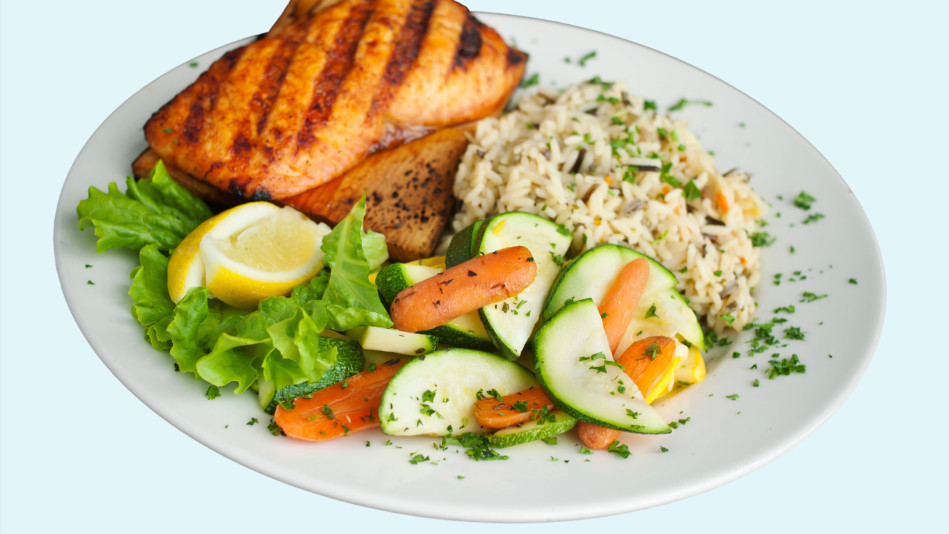
The world of nutrition has become an exhausting, loud space. One week you’re told to cut out all carbs; the next, healthy fats are the enemy; and then a new expert claims that eating within a strict four-hour window will solve all your problems. It’s enough to make you want to throw your hands up and give up completely.
Let’s skip the complexity. Healthy eating doesn’t require a nutrition degree or an expensive specialty grocery store. It’s about returning to the basics: filling your plate with real food that comes from the soil—vibrant vegetables, whole grains, clean proteins, and sweet fruit. And just as importantly, it means enjoying a slice of cake at a birthday party or a rich dinner with friends completely free of guilt. True health is a flexible, sustainable relationship with food that fits into your life rather than dominating your thoughts.
Find Movement That Feels Like Play

Somewhere along the way, we turned exercise into a chore—a transactional punishment to burn off calories or hit a specific number on a scale. But your muscles and bones don’t care about gym metrics; they just crave the release of movement.
Find something that makes you forget you’re “working out.” Go for a brisk walk through a local park to look at the trees, ride your bike through the neighborhood, blast your favorite song and dance around your living room, do some gentle yoga stretches on the carpet, or spend an afternoon working in the garden. When movement feels like a celebration of what your body can do rather than a penalty for what you ate, consistency happens all on its own.
Guard Your Mental Energy Fiercely
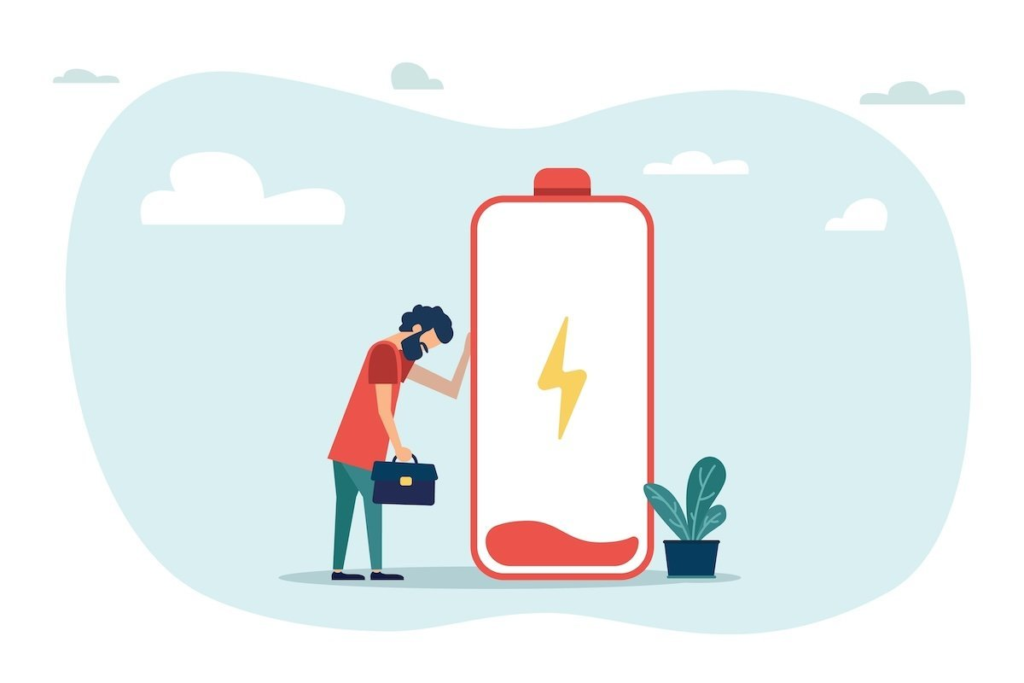
Protecting your mind means building small pockets of recovery directly into your day. Step away from your desk to look outside at the sky for a few minutes. Listen to a song that grounds you. Read a few pages of a book just for the joy of it. Or sit entirely still with your eyes closed, doing absolutely nothing at all. Rest isn’t a reward you have to earn after you’re burnt out; it is the essential maintenance that keeps your inner light from flickering out.
We live in a culture that treats constant hustle like a badge of honor, whispering that if you aren’t being productive, you’re falling behind. We promise ourselves that we’ll rest “later,” but later is a horizon line that keeps moving. Chronic mental exhaustion doesn’t just make you tired; it slowly erodes your patience, your creativity, and your relationships.
We live in a culture that treats constant hustle like a badge of honor, whispering that if you aren’t being productive, you’re falling behind. We promise ourselves that we’ll rest “later,” but later is a horizon line that keeps moving. Chronic mental exhaustion doesn’t just make you tired; it slowly erodes your patience, your creativity, and your relationships.
Protecting your mind means building small pockets of recovery directly into your day. Step away from your desk to look outside at the sky for a few minutes. Listen to a song that grounds you. Read a few pages of a book just for the joy of it. Or sit entirely still with your eyes closed, doing absolutely nothing at all. Rest isn’t a reward you have to earn after you’re burnt out; it is the essential maintenance that keeps your inner light from flickering out.
Curate a Calm Environment

Our physical surroundings act as a mirror for our internal state. When your home or workspace is piled high with clutter, unorganized papers, and forgotten chores, your brain constantly registers that visual noise as a massive, never-ending to-do list, causing a low-grade, persistent hum of anxiety.
You don’t need to live in a flawless, designer showroom to feel the psychological benefits of a clean space. Start small: clear off your workspace at the end of the day so you can start fresh tomorrow. Wipe down the kitchen counters before bed. Put things back in their designated spots when you’re finished with them. Opening a window to let fresh air circulate or keeping a couple of green plants around can completely change the energy of a room, transforming it from a source of stress into a sanctuary.
Nourish the Connections That Give You Life

Human beings are inherently social creatures, wired for deep community and shared warmth. Yet, in our deeply connected digital world, it is terrifyingly easy to feel completely isolated. The quality of your closest relationships directly shapes your mental health, your self-esteem, and your daily joy.
Make real, uninterrupted time for the people who anchor you. Put your phone face down when you’re catching up with a friend. Listen to understand them, not just to plan your next response. Express appreciation out of nowhere, and show up with empathy when they are struggling. At the end of our lives, we won’t be counting our material possessions; we will be remembering the shared laughs, the deep late-night conversations, and the warmth of the people who truly knew us.
Reclaim the Autonomy of Your Time
It is incredibly easy to spend your entire life in a purely reactive state—waking up and rushing to put out everyone else’s fires, saying yes to every request, and letting other people’s priorities dictate your schedule. Before you know it, weeks have gone by, and you haven’t spent a single hour on the things that actually matter to you.
Take a breath and step back. Every morning, identify the top two things that genuinely need your focus, and protect the time required to do them. Learn the gentle, necessary art of saying “no” to obligations that drain your spirit without giving you anything in return. Protecting your time isn’t selfish; it’s how you keep your cup full enough to actually have something to give to the world.
The Golden Rule: Trust the Slow Build
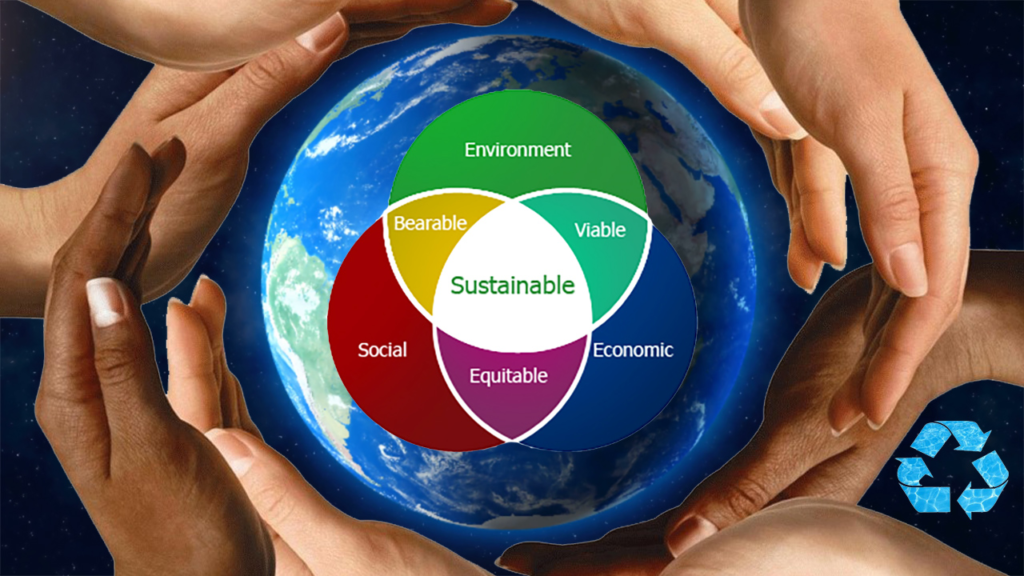
The absolute biggest mistake people make when trying to improve their lives is trying to change everything all at once. They launch into a new diet, a grueling workout plan, a strict sleep schedule, and a massive productivity routine all on the same Monday morning. Within two weeks, they are completely overwhelmed, exhausted, and ready to quit.
That isn’t a lack of willpower; it’s just how human psychology works. Real, lasting transformation doesn’t happen through sudden, explosive effort; it happens through the quiet accumulation of tiny habits.
Take a look at your life right now and pick just one small shift that feels completely doable.
Maybe it’s promise to drink a glass of water before looking at your phone tomorrow morning, or clearing your desk before you close your computer for the night. Do just that. Let it become an effortless, boring part of your normal routine before you even think about adding anything else.
These microscopic shifts might feel completely insignificant today, but when multiplied across six months, a year, or a lifetime, they compound into a radically transformed existence. Slow progress is the only kind of progress that actually stays. Be gentle with your humanity, trust the slow build, and let your life unfold naturally.
FAQs
1. What is a healthy lifestyle?
A healthy lifestyle includes balanced nutrition, regular exercise, quality sleep, and positive daily habits.
2. How can I improve my lifestyle every day?
Make small changes like eating healthy, staying active, managing stress, and maintaining a consistent routine.
3. Why are daily habits important?
Daily habits shape your long-term health, happiness, and overall well-being.
4. How does sleep affect my lifestyle?
Good sleep improves energy, focus, mood, and physical health.
5. Can small lifestyle changes really make a difference?
Yes, consistent small improvements often lead to significant long-term results.