
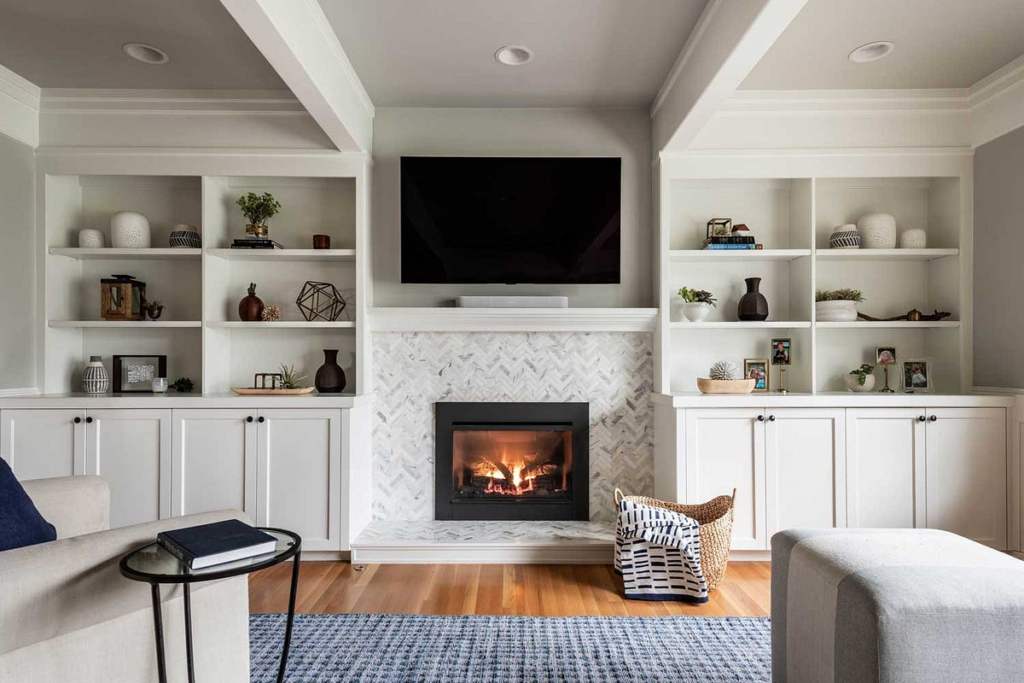
We’ve all experienced that specific, late-afternoon deflation. You walk through your front door after a brutal day of meetings, traffic, or errands, desperate for a safe haven. Instead, you are immediately greeted by a mountain of shoes at the entrance, a stack of unopened mail on the counter, and a closet that looks like Organization it’s actively digesting your wardrobe.
Instead of feeling a sense of relief, your brain registers a fresh to-do list.
Clutter has a sneaky way of accumulating. It starts with a few receipts left on a table, morphs into a designated “chaos drawer,” and eventually takes over entire rooms. But here is the candid truth: clutter isn’t a moral failing, and it doesn’t mean you’re lazy. It’s simply the natural byproduct of a busy life running low on emotional bandwidth.
However, living in permanent disorganization takes a quiet toll on our mental health. It acts as visual noise, keeping our stress hormones humming in the background. Reclaiming your space isn’t about matching the unrealistic standards of home design influencers; it’s about making your daily routines suck a little less.
The Magazine Lie: Perfection Is the Enemy of Function

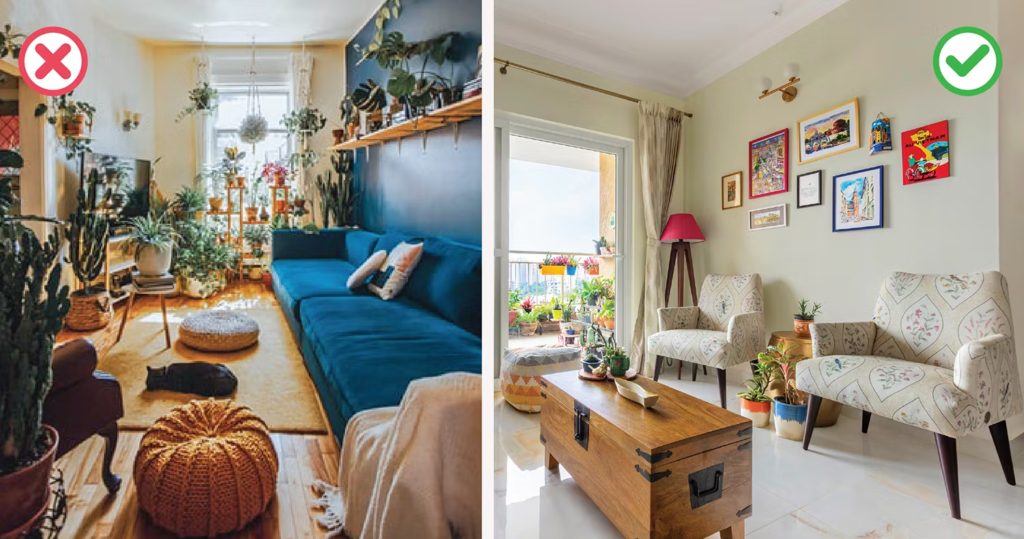
Let’s debunk a major myth right now: a functional home does not look like a sterile showroom.
The aesthetic obsession with clear acrylic bins, perfectly spaced pantry jars, and color-coded bookshelves has actually made organizing harder. It sets an impossibly high standard that crumbles the moment you buy a bag of chips that doesn’t fit the aesthetic.
The Reality Check: The real goal of organization is efficiency, not elegance. If you can find your passport in under thirty seconds and you don’t trip over a chord on your way to bed, your systems are working.
True organization should adapt to your actual human flaws. If you always drop your keys on the kitchen island, don’t buy a key hook for the front door and expect yourself to change. Instead, put a nice little bowl exactly where you already drop your keys. Design for your real habits, not your idealized self.
The Execution Strategy: Micro-Wins vs. Weekend Marathons
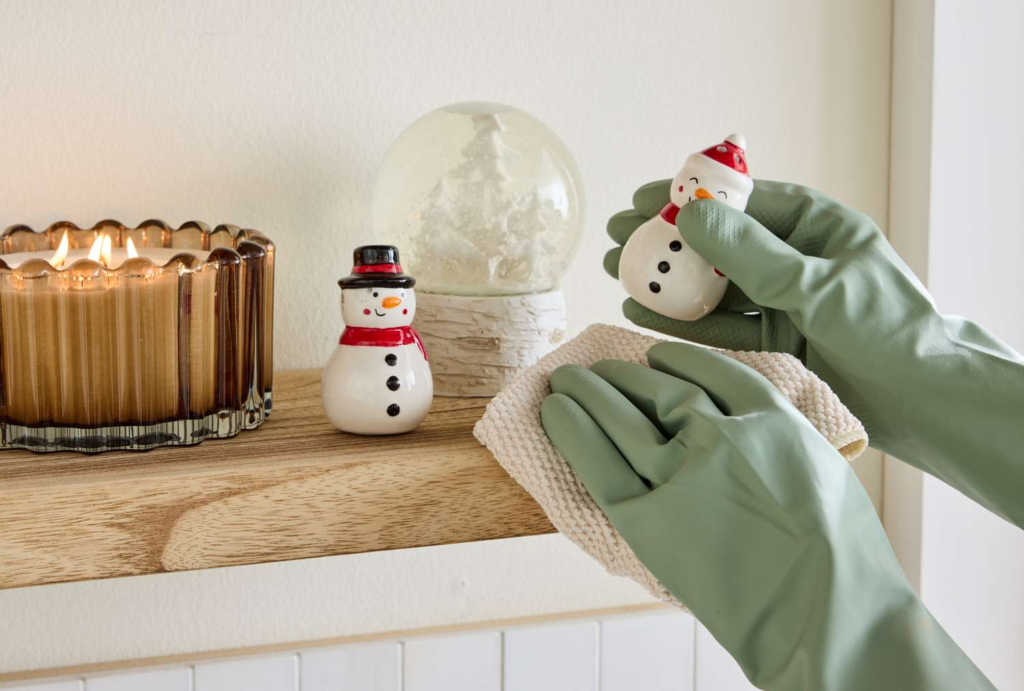
The absolute worst way to organize your house is to wake up on a Saturday morning and declare, “Today, I am fixing the entire house.” By 2:00 PM, your bedroom floor will be covered in clothes, you’ll be covered in dust, and you will be completely overwhelmed.
Instead, build momentum through micro-wins.
- Pick one micro-zone: Don’t do the kitchen; do one drawer. Don’t do the closet; do one shelf.
- Set a 15-minute timer: When the timer goes off, you are allowed to stop. Usually, the friction is just in the starting. Once you see a single clean space, your brain gets a hit of dopamine that makes you want to keep going.
- The Deletion Rule: Before you buy a single storage bin, you have to purge. Organizing items you don’t actually use is just moving trash around in prettier boxes.
Over-Engineered vs. Human-Proof Systems
To keep your home from sliding back into chaos, your storage needs to be incredibly low-friction. If it takes too many steps to put something away, you will leave it on the counter.
| The Overcomplicated Trap | The Human-Proof Solution | Why It Actually Works |
| Micro-sorting every single piece of mail into folders. | A single basket for “Action Items” and a trash can right next to it. | You instantly kill 90% of junk mail before it hits a surface. |
| Intricate, nested storage boxes inside deep cabinets. | Open-top bins or baskets without lids. | If you can drop an item in with one hand, you’ll actually do it. |
| Forcing family members to follow strict aesthetic rules. | Designated “drop zones” for each person’s daily gear. | Contains the mess to one predictable, hidden area. |
Habits That Keep the Clutter Monster at Bay

Once you’ve cleared the initial backlog, you don’t need to dedicate your weekends to maintenance. You just need to lean into a few basic, autopilot habits.
Put It Away, Not Down
This is the holy grail of household peace. When you walk inside with a jacket, the temptation is to throw it on a chair and tell yourself you’ll hang it up later. That “later” is how clutter piles up. It takes exactly four seconds to hang it up right now. Save your future self the headache.
The 2-Minute Reset
Before you go to bed, spend literally 120 seconds doing a sweep of your primary living space. Load the final cups into the dishwasher, fluff the couch cushions, and reset the counters. Walking out of your bedroom the next morning to a clean slate changes the entire trajectory of your day.
Tackle the Digital Workspace too
Physical clutter gets all the attention, but an unmanaged digital life can be just as exhausting. An inbox with 14,000 unread emails, a desktop covered in chaotic screenshots, and a camera roll stuffed with duplicates creates a persistent mental drag. Treat your digital files like your physical drawers: delete the excess, archive the old, and keep the main workspace clean.
Prime Real Estate Mapping
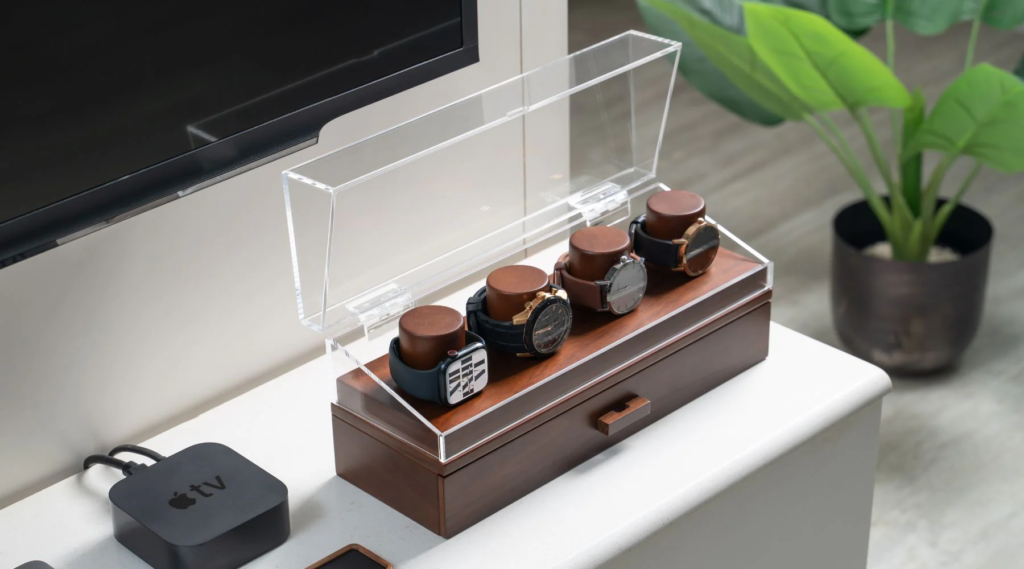
Divide your storage into three distinct zones based on physical effort:
- Active Zone (Chest to Waist Height): Reserved strictly for items used daily or multiple times a week.
- Secondary Zone (Low drawers, high shelves): For items used once a week or once a month.
- Deep Storage (Attic, basement, back of top shelves): For seasonal or sentimental items used once a year.
   [ High Shelf ]     ---> Secondary Zone (Weekly/Monthly Use)
   [ Eye/Waist Level ] ---> Active Zone    (Daily/High-Frequency Use)
   [ Deep Cabinet ]    ---> Deep Storage  (Seasonal/Rare Use)
Deep-Dive: Room-by-Room Strategy Guide

The Kitchen: The High-Velocity Zone
The kitchen is a workspace, not a storage unit. If you don’t use an appliance at least three times a week, it does not deserve to live on your counter. Move the heavy stand mixer or the food processor into a lower cabinet. Keep your workspaces clear so cooking feels like a creative outlet rather than a chore.
The Wardrobe: The Identity Crisis
We often hold onto clothes that belong to a past version of ourselves or a hypothetical future self (“I’ll wear this when I lose 10 pounds” or “I’ll wear this if I go to a gala”). Your closet should reflect your current daily reality. If an item doesn’t fit your body today or match your lifestyle this month, it is taking up valuable emotional and physical space. Wrap it up and put it in storage, or donate it.
The Entryway: The Decompress Threshold
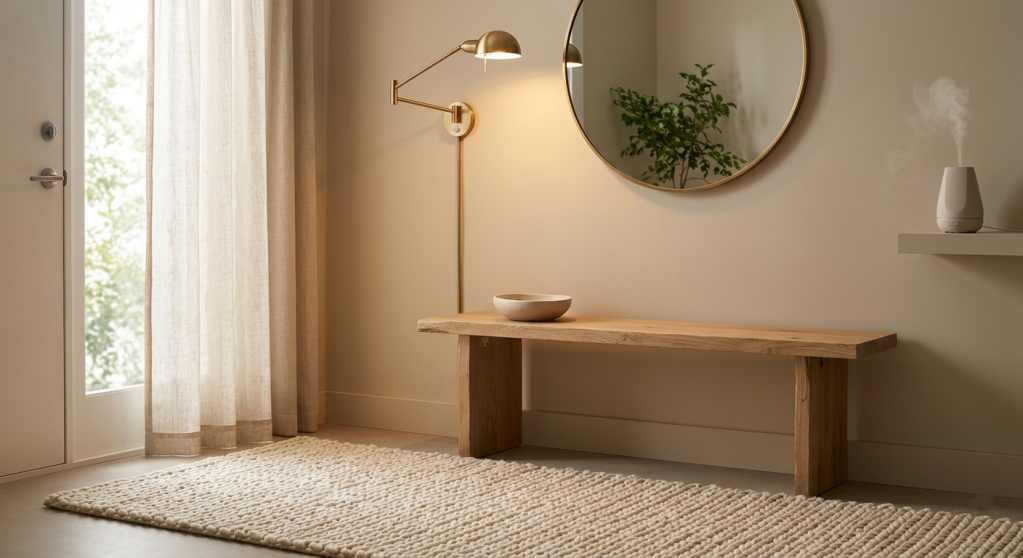
The entryway dictates the energy of your entire home. It acts as a decompression chamber between the chaotic outside world and your sanctuary. If the first thing you see is a pile of scattered bags and shoes, your stress response stays elevated. Invest in explicit boundaries here: a heavy-duty boot tray, a dedicated coat rack, and an immediate recycling bin for junk mail.
FAQs
1. I feel incredibly guilty throwing away gifts or sentimental items. What do I do?
The value of a gift is in the moment it was given, not the physical object itself. If a family heirloom or a gift makes you feel weighed down or guilty every time you look at it, it’s no longer serving you. Take a high-quality picture of it to preserve the memory, and then donate it or pass it along to someone who will actually use it.
2. My family or roommates refuse to help maintain the systems. Am I doomed?
You can’t force adults (or stubborn kids) to adopt hyper-specific organizational habits overnight. Make it easier for them. If shoes are always piled by the couch, put a basket by the couch. Lower the barrier to entry for them to be clean, and focus your energy on keeping the shared visual spaces organized.
3. How often should I be decluttering?
Think of your home as a living ecosystem—things come in, so things must go out. Aim for a seasonal check-in. Every six months, do a quick pass of your closet, pantry, and medicine cabinet to remove expired items, clothes that don’t fit your current body, and things that no longer bring you value. Keep it moving.